Categories
Uncategorised

Hearing Aids and Their Effect on Global Mental Health

Last Updated on 18/12/2025 by Admin

Discover the Transformative Benefits of Hearing Aids for Enhancing Life Quality

How Do Hearing Aids Dramatically Transform Quality of Life?

Hearing aids are innovative devices that significantly enhance the quality of life for individuals facing hearing loss. By amplifying sounds, these devices lessen the strain required to comprehend conversations and the surrounding environmental sounds, resulting in vastly improved communication. This enhancement strengthens bonds with family, friends, and colleagues while encouraging active participation in social activities. When individuals can fully engage in their everyday lives, their mental well-being flourishes, making them feel included and valued within their communities.

Moreover, the ability to hear clearly alleviates the frustration associated with miscommunication and misunderstandings. Many users of hearing aids report heightened satisfaction in their daily interactions, which boosts their confidence in social situations. This newfound self-assurance often motivates individuals to explore hobbies, join community organisations, or relish outings with friends and family. Ultimately, the enhanced communication afforded by hearing aids not only enriches personal connections but also contributes to a more vibrant and fulfilling life experience.

The psychological benefits stemming from improved hearing are considerable. With enhanced auditory capabilities, individuals experience a significant reduction in feelings of isolation. This aspect is particularly crucial in today’s interconnected world, where social interactions are vital for maintaining good mental health. The sense of belonging that emerges from effective communication greatly bolsters one’s self-esteem and overall emotional state, creating a positive feedback loop that underscores the critical role of hearing aids in improving quality of life and mental health.

What Are the Psychological Consequences of Ignoring Hearing Loss?

Ignoring hearing loss can result in severe psychological consequences, manifesting as social isolation, depression, and anxiety. Individuals who struggle to keep pace with conversations or participate in group settings may completely withdraw from social interactions. The inability to hear clearly can lead to frequent misunderstandings, resulting in frustration and a daunting sense of helplessness. This withdrawal frequently intensifies feelings of loneliness, creating a downward spiral where individuals become increasingly isolated and emotionally distressed.

The correlation between hearing loss and mental health is well-documented in academic literature. Numerous studies indicate that individuals with untreated hearing loss face a heightened risk of developing depression. The ongoing struggle to communicate drains emotional resources, making even routine social interactions feel overwhelmingly challenging. Consequently, many individuals may develop anxiety concerning social situations, anticipating difficulties in communication before they even arise. These mental health challenges can hinder one’s ability to seek assistance or connect with others, further compounding the issues they encounter.

Furthermore, the psychological ramifications of hearing loss extend beyond immediate social interactions. They can lead to cognitive decline as individuals disengage from stimulating conversations and activities that challenge the mind. This disengagement creates a vicious cycle: as cognitive abilities diminish, individuals may find it even harder to engage socially, perpetuating feelings of isolation. Addressing hearing loss through the use of hearing aids can alleviate these psychological burdens and promote a more active and fulfilling mental state.

What Are the Key Advantages of Early Intervention in Addressing Hearing Loss?

Early intervention in managing hearing loss, particularly through the use of hearing aids, is crucial for preventing the escalation of mental health issues. By introducing hearing aids at an earlier stage, individuals can sustain their social connections and emotional well-being. This proactive approach prevents individuals from falling into the trap of isolation and its associated mental health challenges. The sooner hearing aids are employed, the more likely individuals are to enjoy a range of benefits, including improved communication, enhanced cognitive function, and a more resilient emotional state.

One of the primary benefits of early intervention is the prevention of cognitive decline. Engaging with sounds and conversations keeps the brain active and involved in social dynamics. When individuals can hear clearly, they are more likely to participate in mentally stimulating activities that are crucial for cognitive health. The brain thrives on activity, and hearing aids facilitate this engagement, effectively diminishing the risk of cognitive deterioration associated with prolonged hearing loss.

Additionally, early intervention can help alleviate feelings of anxiety and depression linked to hearing loss. Effective communication diminishes confusion and frustration in social settings, fostering improved relationships. Others are more inclined to engage with those who can communicate effectively. Ultimately, the early use of hearing aids cultivates a supportive environment that promotes mental health, reinforcing the idea that timely intervention is vital for maintaining a balanced emotional state.

Expert Perspectives on the Significance of Hearing Aids for Mental Health

What Are the Long-Term Mental Health Benefits of Using Hearing Aids?

The long-term mental health benefits associated with using hearing aids are profound and multifaceted. Firstly, hearing aids serve as a safeguard against cognitive decline. By enabling individuals to engage in conversations and mentally stimulating activities, these devices help maintain mental agility over time. The brain benefits from the active participation that hearing aids facilitate, preventing the decline often linked to social isolation.

Moreover, the effective use of hearing aids can lead to a significant reduction in depressive symptoms. When individuals can hear and engage in conversations, they tend to feel more connected and less lonely, which greatly enhances their emotional well-being. This connection is vital for fostering resilience against mental health issues, further reinforcing the critical importance of hearing aids.

Additionally, using hearing aids can boost self-esteem and confidence. Individuals who can communicate effectively are more likely to engage in social activities, enhancing their overall quality of life. As they become more involved with their communities, they cultivate stronger relationships, contributing to a sense of belonging and support. The cascading effects of these benefits underscore the crucial role that hearing aids play in promoting long-term mental health.

Key long-term mental health benefits of using hearing aids include:

  • Prevention of cognitive decline
  • Reduction in depressive symptoms
  • Improved self-esteem and confidence
  • Enhanced social engagement and community involvement
  • Greater emotional resilience
  • Increased overall life satisfaction
  • Stronger interpersonal relationships
  • Improved communication skills

How Can Audiologists Provide Effective Support for Mental Health?

Audiologists play a pivotal role in supporting mental health through the fitting and maintenance of hearing aids. Their expertise ensures that devices are tailored to meet the individual’s specific hearing needs, which is essential for achieving optimal performance. A well-fitted hearing aid can dramatically enhance sound clarity, leading to improved communication and a more engaged social life—both crucial for mental well-being.

Moreover, audiologists provide ongoing support that extends beyond the initial fitting process. They offer counselling and education about hearing loss and its implications, helping individuals understand the importance of consistent hearing aid use. This education empowers users to take charge of their hearing health, mitigating feelings of helplessness and anxiety associated with hearing loss. Regular follow-up appointments enable adjustments to be made, ensuring that users feel comfortable and confident in their devices.

Audiologists also serve as advocates for their patients, connecting them with additional resources and support networks. By promoting social engagement and encouraging participation in community activities, audiologists help individuals combat isolation and foster connections that enhance mental health. This collaborative approach reinforces the concept that hearing health is intrinsically linked to overall mental well-being, highlighting the invaluable role audiologists play in this process.

What Role Do Hearing Aids Play in Strengthening Social Connections?

Hearing aids are essential for fostering social connections, a critical component of mental health and emotional stability. By improving the clarity of sounds and conversations, hearing aids empower individuals to engage meaningfully in social interactions. This ability to communicate effectively can significantly reduce feelings of isolation and loneliness, which are detrimental to mental health.

The role of hearing aids in social settings cannot be overstated. They enable individuals to participate in group conversations, join community events, and reconnect with family and friends. As users experience improved communication, they often find themselves more willing to engage in social settings, leading to enriched relationships and a stronger support network. This interaction is essential for maintaining emotional balance and combating anxiety and depression that can be exacerbated by social withdrawal.

Furthermore, hearing aids can help bridge the generational gap in communication. For instance, older adults can maintain connections with younger family members by actively participating in conversations and sharing experiences. This intergenerational engagement not only enhances the emotional well-being of older adults but also fosters a sense of purpose and belonging. Ultimately, the positive influence of hearing aids on social connections highlights their importance not just in hearing but in nurturing mental health.

How Do Hearing Aids Influence Mental Health Outcomes?

What Is the Link Between Hearing Loss and Depression?

There exists a compelling link between hearing loss and depression, primarily driven by the social isolation that often accompanies untreated hearing impairment. Individuals experiencing hearing loss may find it difficult to engage in conversations or follow discussions within group settings. This struggle can lead to feelings of frustration and helplessness, causing many to withdraw from social interactions altogether. The resultant isolation can precipitate or exacerbate depressive symptoms, creating a challenging cycle that negatively impacts mental health.

When individuals experience hearing loss, their ability to connect with others diminishes significantly. This lack of connection can foster feelings of loneliness and sadness, leading to a higher prevalence of depression among those with untreated hearing loss. Research indicates that individuals with significant hearing impairment are at a greater risk for depression, underscoring the importance of addressing hearing health proactively. Hearing aids can play a crucial role in breaking this cycle, as they facilitate improved communication and encourage engagement in social activities.

Addressing hearing loss through the use of hearing aids can significantly enhance mental health outcomes. By restoring the ability to hear clearly, individuals can engage more effectively in their social environments, thereby reducing feelings of isolation. The positive effects of hearing aids on mental health are not merely anecdotal; many users report feeling happier and more content once their hearing loss is addressed, highlighting the critical relationship between hearing health and emotional well-being.

Can Hearing Aids Effectively Alleviate Anxiety?

Hearing aids can indeed play a vital role in alleviating anxiety, particularly in social situations. When individuals struggle to hear, they often experience stress and apprehension about potential communication challenges. This anxiety can lead to avoidance of social interactions, which exacerbates feelings of isolation and mental distress. By improving hearing, hearing aids empower individuals to navigate social settings with greater confidence and ease.

The reduction of anxiety associated with hearing loss is a multifaceted benefit of using hearing aids. Firstly, they provide users with the clarity needed to follow conversations without constant straining or guessing. This clarity alleviates the worry of misunderstanding or missing out on important interactions. Secondly, hearing aids facilitate a more relaxed state of mind, as users feel secure in their communication abilities. The ability to engage without the burden of hearing loss can lead to a more enjoyable social experience.

Moreover, the positive reinforcement gained from successful social interactions boosts confidence. As individuals become more comfortable using their hearing aids, they are likely to participate more actively in social activities. This increased participation not only diminishes feelings of anxiety but also cultivates a sense of belonging and connection. Ultimately, hearing aids can significantly reduce anxiety by empowering individuals to engage fully in their social lives, promoting better mental health overall.

How Do Hearing Aids Impact Cognitive Function?

Hearing aids profoundly influence cognitive function by reducing the mental effort required to understand speech. When individuals struggle to hear, their brains expend extra energy filling in the gaps, leading to cognitive fatigue. This sustained effort can detract from mental sharpness and contribute to cognitive decline over time. Hearing aids alleviate this burden, allowing the brain to allocate resources to more meaningful cognitive activities.

Engaging in conversations with the assistance of hearing devices enhances cognitive stimulation. The clearer auditory input provided by hearing aids enables users to participate in discussions, access information, and enjoy mentally stimulating activities that are vital for cognitive health. Research has shown that individuals who use hearing aids experience less cognitive decline compared to those who do not, reinforcing the importance of addressing hearing loss for long-term cognitive well-being.

Furthermore, the social engagement fostered by hearing aids contributes significantly to cognitive health. When individuals actively participate in social interactions, they are more likely to engage their minds in ways that promote cognitive agility. This active participation not only enhances mental sharpness but also offers emotional benefits, creating a holistic approach to maintaining cognitive and mental health. Thus, hearing aids play a critical role in preserving cognitive function, showcasing their multifaceted benefits for users.

Research-Backed Insights on the Significance of Hearing Aids for Mental Health

What Does Current Research Indicate About Hearing Aids and Mental Health?

Numerous studies highlight the substantial impact of hearing aids on mental health outcomes. Research consistently demonstrates that individuals who use hearing aids show marked improvements in emotional well-being, cognitive function, and social engagement. The evidence suggests that addressing hearing loss with hearing aids can lead to a comprehensive enhancement of one’s quality of life.

Key findings from research include:

  • Users of hearing aids report reduced symptoms of depression and anxiety.
  • Hearing aids contribute to improved cognitive function and slower rates of cognitive decline.
  • Individuals with hearing aids experience heightened levels of social engagement and lower rates of isolation.
  • Hearing aids improve overall life satisfaction and emotional well-being.
  • Many users report increased confidence and self-esteem in social settings.
  • Early intervention with hearing aids is linked to better long-term mental health outcomes.
  • Hearing aids foster a stronger support network, enhancing emotional resilience.
  • Users experience improved relationships and communication skills, leading to a fuller life.

These findings reflect the intricate relationship between hearing health and mental well-being. By addressing hearing loss through the effective use of hearing aids, individuals can experience significant improvements in their mental health, reducing the risk of depression and cognitive decline. The positive impact of hearing aids on mental health is not merely theoretical; it is supported by empirical evidence that highlights their crucial role in enhancing emotional and cognitive well-being.

How Do Hearing Aids Influence Emotional Well-Being?

Hearing aids exert a positive influence on emotional well-being by enhancing communication and alleviating the frustration associated with hearing loss. When individuals can hear clearly, they are more likely to engage in conversations and social activities, leading to enhanced feelings of inclusion and connection. This engagement plays a pivotal role in fostering a positive emotional state, as individuals feel valued and understood.

The reduction of frustration is particularly noteworthy. Many individuals with untreated hearing loss experience feelings of anger, sadness, or helplessness due to communication barriers. Hearing aids mitigate these feelings by facilitating clearer interactions, allowing individuals to express themselves and connect with others. This newfound clarity not only enhances social experiences but also contributes to a greater sense of emotional stability.

Moreover, the ability to engage in social interactions can bolster self-esteem and confidence. Individuals who can communicate effectively are more likely to participate in community activities, pursue relationships, and build supportive networks. These connections are essential for emotional well-being, as they provide a sense of belonging and support that can help alleviate feelings of loneliness. Thus, the influence of hearing aids on emotional well-being is profound and multifaceted, demonstrating their critical role in promoting mental health.

How Do Hearing Aids Help in Preventing Cognitive Decline?

Hearing aids play a crucial role in preventing cognitive decline by keeping individuals engaged in conversations and mentally stimulating activities. Cognitive decline is often associated with social isolation and disengagement, both prevalent among individuals with untreated hearing loss. By facilitating clearer communication, hearing aids encourage active participation in social environments, which is vital for cognitive health.

Research indicates that individuals who use hearing aids show slower rates of cognitive decline compared to those who do not. The cognitive load associated with trying to understand speech without assistance can lead to mental fatigue over time. Hearing aids alleviate this burden, allowing the brain to focus on processing information rather than struggling to hear. This reduction in cognitive effort can help preserve mental sharpness and agility.

Furthermore, the social engagement that comes from using hearing aids is essential for cognitive health. Participating in conversations, joining community events, and maintaining relationships stimulate the mind, providing the necessary challenges that support cognitive function. By preventing social isolation and promoting active engagement, hearing aids serve as a vital tool in combating cognitive decline, reinforcing their significance not only for hearing health but for overall mental and cognitive well-being.

Proven Strategies for Maximising the Mental Health Benefits of Hearing Aids

What Effective Techniques Can Enhance Hearing Aid Utilisation?

Maximising the mental health benefits of hearing aids involves implementing effective techniques such as regular use, proper maintenance, and seeking professional adjustments. Consistent use of hearing aids ensures that individuals fully reap the benefits of improved hearing. The more frequently hearing aids are used, the better individuals become accustomed to them, leading to enhanced communication and social interactions.

Proper maintenance is equally crucial. Regular cleaning and checking hearing aids for optimal functionality can prevent issues that may hinder performance. Users should adhere to the manufacturer’s guidelines and consult their audiologist for maintenance tips. Regular upkeep not only ensures optimal performance but also helps individuals feel confident in their devices, reducing anxiety regarding communication challenges.

Additionally, seeking professional adjustments is essential for achieving the best outcomes. Audiologists can make fine-tuning adjustments to optimise sound quality based on individual preferences and environmental factors. Regular check-ups facilitate necessary updates to hearing aid settings, ensuring that users continue to experience the full benefits of their devices. By employing these techniques, individuals can significantly enhance their mental health outcomes through effective hearing aid use.

How Can Individuals Successfully Adapt to Hearing Aids?

Adapting to hearing aids requires patience, practice, and support from both audiologists and loved ones. The initial adjustment period can be challenging as individuals acclimate to the sensation of wearing devices and the amplified sounds they provide. It is essential to approach this transition gradually, allowing ample time for the brain to adjust to new auditory input.

One effective strategy for adapting is to start wearing hearing aids in familiar environments where individuals feel comfortable. This practice can help ease the transition and build confidence in using the devices. As individuals become more accustomed, they can gradually introduce hearing aids into more challenging auditory environments, such as crowded social settings. This step-by-step approach empowers users to gain control over their hearing experience, thereby enhancing their mental well-being.

Support from loved ones is invaluable during this adaptation process. Encouragement and understanding from family and friends can motivate individuals to persevere through initial challenges. Audiologists can also provide guidance and reassurance, offering strategies for effective communication and addressing any concerns that may arise. By fostering a supportive environment, individuals can successfully adapt to hearing aids and fully embrace the mental health benefits they offer.

Why Is Consistent Hearing Aid Use Critical?

Consistent use of hearing aids is essential for maintaining the mental health benefits associated with improved hearing, as it ensures that individuals remain connected and engaged in their daily lives. Regular use helps users become accustomed to the sounds and voices they may have missed, reinforcing their ability to communicate effectively. This consistency not only enhances social interactions but also plays a pivotal role in combating feelings of isolation.

Furthermore, consistent use of hearing aids contributes significantly to cognitive health. When individuals regularly engage in conversations and social activities, they stimulate their minds, which is crucial for preserving cognitive function. The more frequently users partake in auditory experiences, the better their brains adapt and remain sharp. This ongoing engagement is vital for preventing cognitive decline associated with untreated hearing loss.

Additionally, consistent hearing aid use fosters emotional well-being. Individuals who actively engage in social situations report higher levels of satisfaction and happiness. The positive reinforcement gained from successful interactions encourages users to maintain their hearing aids as essential tools for enriching their lives. Ultimately, the importance of consistent use cannot be overstated; it is essential for maximising the numerous mental health benefits that hearing aids can provide.

How Can Social Engagement Enhance Mental Health for Hearing Aid Users?

Social engagement is a significant factor in enhancing mental health, particularly for individuals using hearing aids. By facilitating better communication, hearing aids enable users to connect more effectively with others, fostering relationships and community ties that are vital for emotional well-being. When individuals can hear and participate in conversations, they experience improved feelings of inclusion and belonging.

Engaging socially with hearing aids also combats feelings of isolation, which are common among those experiencing hearing loss. As users grow more comfortable in social settings, they are more likely to participate in community events, group activities, and family gatherings. This active participation leads to richer social experiences and stronger support networks, which are essential for mental health.

Moreover, social engagement with hearing aids encourages personal growth and resilience. Individuals who connect with others often discover new interests, build friendships, and develop a sense of purpose. These relationships provide emotional support and help mitigate the impacts of stress and anxiety. By promoting social engagement, hearing aids play a crucial role in enhancing mental health and fostering a more fulfilling life.

The Future of Hearing Aids and Their Impact on Mental Health

What Are the Latest Advancements in Hearing Aid Technology?

The advancements in hearing aid technology are revolutionising the way individuals experience sound and interact with the world. Modern hearing aids come equipped with sophisticated features that enhance their effectiveness and comfort. These innovations not only improve the quality of hearing but also significantly contribute to better mental health outcomes for users.

Cutting-edge technologies, such as Bluetooth connectivity, enable users to stream audio directly from their devices, enhancing their ability to engage in conversations and enjoy entertainment. Noise-cancelling features and directional microphones allow wearers to focus on specific sounds while minimising background noise, creating a more pleasant auditory experience. These innovations empower individuals to navigate a variety of environments with confidence, reducing frustration and boosting social engagement.

Moreover, the design of hearing aids has evolved significantly, emphasising both comfort and aesthetics. Sleek, discreet models encourage more individuals to seek help for hearing loss, as they are less conspicuous and more user-friendly. This increased acceptance of hearing aids contributes to early intervention, allowing users to benefit from improved mental health sooner. The future of hearing aid technology is bright, with innovations that promise to enhance both auditory experiences and overall well-being.

How Will Future Technologies Influence Mental Health Outcomes?

Future technologies are poised to offer even greater benefits for mental health, particularly within the realm of hearing aids. Innovations such as artificial intelligence (AI) and machine learning are set to revolutionise how hearing aids adapt to user preferences and environments. These smart devices will be able to learn individual hearing patterns, automatically adjusting settings to optimise sound quality based on the user’s surroundings.

Such personalised experiences will not only enhance communication but also reduce the cognitive load associated with managing hearing loss. Users will benefit from a seamless auditory experience, allowing them to focus on conversations and social interactions without the stress of adjusting their devices. This reduction in cognitive strain is expected to promote better mental health outcomes, as individuals can engage more fully in social situations.

Additionally, future technologies may incorporate integrated mental health support features into hearing aids. These tools could provide users with resources to manage their emotional well-being, such as mindfulness exercises or stress-relief techniques. By combining hearing health with mental health support, future innovations hold the potential to create a holistic approach to overall well-being, emphasising the interconnectedness of auditory and mental health.

What Is the Potential for Integrated Mental Health Support in Hearing Aids?

The potential for integrated mental health support in hearing aids represents a groundbreaking development in the field of audiology. As our understanding of the link between hearing health and mental well-being grows, there is a pressing need for solutions that address both aspects simultaneously. Future hearing aids could be equipped with features that provide users with mental health resources and tools directly through their devices.

For instance, hearing aids could offer access to mental health applications that promote emotional resilience and well-being. These applications might include guided meditations, cognitive behavioural therapy techniques, or resources for managing anxiety and depression. By providing users with these resources alongside their hearing aids, individuals can take a proactive approach to their mental health while addressing their hearing needs.

Moreover, the integration of mental health support into hearing aids could facilitate connections with mental health professionals. Users might have the option to access remote consultations or connect with support groups tailored to individuals experiencing hearing loss. This combination of hearing and mental health services could enhance overall well-being, creating a comprehensive support system for individuals navigating the challenges associated with hearing impairment.

How Is Telehealth Transforming Hearing and Mental Health Services?

Telehealth is reshaping the landscape of hearing and mental health services, providing enhanced access to care for individuals with hearing loss. Remote consultations and support have become increasingly vital, especially in a world that values convenience and accessibility. Telehealth enables individuals to receive guidance and support for both their hearing and mental health needs from the comfort of their homes.

Through telehealth platforms, audiologists can provide remote assessments, fittings, and adjustments for hearing aids. This accessibility ensures that users can maintain optimal hearing health without the barriers of travel or scheduling conflicts. Additionally, telehealth can facilitate mental health support, offering users easy access to therapy or counselling services that address the emotional impacts of hearing loss.

The combination of telehealth for both hearing and mental health services fosters a holistic approach to well-being. Individuals are empowered to address both aspects of their health in a coordinated manner, leading to improved overall outcomes. As telehealth continues to evolve, the potential for integrated care through remote services will become increasingly significant in supporting the mental health of those with hearing loss.

Frequently Asked Questions About Hearing Aids and Mental Health

What Are the Main Benefits of Hearing Aids for Mental Health?

Hearing aids enhance communication, reduce feelings of isolation, and improve cognitive function, all contributing to better mental health outcomes. Users often experience increased confidence and social engagement, leading to higher overall emotional well-being.

How Quickly Can One Expect Improvements in Mental Health After Beginning to Use Hearing Aids?

Many users report improvements in emotional well-being and social interactions within weeks of starting to use hearing aids. Regular use can lead to significant reductions in feelings of isolation and anxiety over time.

Can Hearing Aids Prevent Cognitive Decline?

Yes, hearing aids can help prevent cognitive decline by keeping individuals engaged in conversations and mentally stimulating activities. This engagement is crucial for maintaining cognitive health as people age.

How Can Audiologists Help Address Mental Health Related to Hearing Loss?

Audiologists provide expert fitting of hearing aids, ongoing support, and education about the importance of hearing health. Their guidance helps users adapt and maximise the benefits of their devices for improved mental health.

Is Social Engagement Really That Important for Mental Health?

Absolutely. Social engagement is crucial for mental health, as it fosters connections and reduces feelings of isolation. Hearing aids facilitate this engagement, allowing individuals to participate in social activities and strengthen relationships.

What Strategies Can Aid in Adapting to Hearing Aids?

Starting to wear hearing aids in familiar environments, seeking support from audiologists and loved ones, and gradually introducing them to more challenging settings can help ease the adaptation process.

Do Hearing Aids Help with Anxiety in Social Situations?

Yes, hearing aids can significantly reduce anxiety by improving communication, allowing individuals to feel more confident and less stressed in social situations. Effective communication fosters a sense of security and ease.

How Important Is Consistent Use of Hearing Aids?

Consistent use of hearing aids is essential for maintaining the mental health benefits associated with improved hearing. Regular use helps individuals stay connected and engaged in daily life.

What Future Technologies Are Expected to Enhance Hearing Aids?

Future technologies may include AI-driven adaptations for personalised auditory experiences, integrated mental health support features, and improved connectivity options, enhancing overall user experience and mental well-being.

How Does Telehealth Improve Access to Hearing Health Services?

Telehealth offers remote consultations, assessments, and support, making it easier for individuals to access hearing and mental health services. This convenience ensures timely care and support for users.

Explore our world on X!

The post Hearing Aids’ Impact on Mental Health: A Global View appeared first on The Microsuction Ear Wax Removal Network.
Categories
Uncategorised

Effects of Hearing Loss on Gamers: An In-Depth Look

Last Updated on 17/12/2025 by Admin

Understanding the Complexities of Hearing Loss in the Gaming Community

Defining the Different Categories of Hearing Loss

Hearing loss presents a multifaceted challenge that can significantly impact a gamer’s immersive experience. It is primarily classified into three main types, each possessing unique traits: conductive hearing loss, sensorineural hearing loss, and mixed hearing loss. Conductive hearing loss arises from issues affecting the outer or middle ear, hindering the efficient transmission of sound. Common causes include ear infections, fluid accumulation, or physical obstructions. Conversely, sensorineural hearing loss involves damage to the inner ear or auditory nerve, often associated with aging or prolonged exposure to loud noises, making it particularly pertinent for gamers who engage in extended gaming sessions. Mixed hearing loss encapsulates elements of both conductive and sensorineural hearing loss, further complicating the auditory challenges faced by players.

The unique characteristics of each type of hearing loss can distinctly influence gamers, affecting their ability to perceive crucial sound cues essential for successful gameplay. For instance, a player with sensorineural hearing loss may struggle to detect subtle audio signals, such as the sound of footsteps in stealth-based games or critical timing cues in fast-paced scenarios, which can severely hinder their effectiveness in play. Understanding these variations is vital in developing strategies that empower gamers with hearing loss to adapt and thrive within their gaming environments.

Evaluating the Impact of Hearing Loss on Gameplay Dynamics

The effects of hearing loss on the gaming experience are profound, influencing not only sound perception but also the overall enjoyment and engagement with games. A significant number of players rely on audio cues for navigation and strategic planning; thus, any impairment can lead to frustration and a marked reduction in immersion. The gameplay elements most adversely affected by hearing loss include:

  • Sound cues that indicate location and movement
  • Voice chat interactions during multiplayer gaming sessions
  • Environmental sounds that enrich the gameplay context
  • Game dialogue that drives the narrative
  • Audio alerts that notify players of in-game events or potential threats
  • Music that enhances the game’s overall atmosphere
  • Feedback sounds that indicate success or failure
  • Dynamic soundscapes that create a more immersive experience

The inability to perceive these auditory elements can lead to a noticeable decline in enjoyment and engagement, highlighting the need for adaptations to maintain a rewarding gaming experience. Gamers may find themselves relying on visual cues or playing in silence, which can significantly diminish the excitement and strategic depth that rich audio experiences typically provide.

Identifying the Key Symptoms of Hearing Loss in Gamers

Gamers within the community often exhibit a variety of symptoms associated with hearing loss that can considerably affect their gameplay. A primary issue is the difficulty in hearing game audio; sounds that once enhanced the gaming experience may become muffled or indistinct. Moreover, deciphering in-game dialogue can pose significant challenges, particularly in narrative-driven games featuring extensive character interactions. Critical audio signals, such as the faint rustle of an approaching enemy or the distinctive sound of an in-game notification, may become difficult to identify, leading to missed opportunities and unexpected failures during gameplay.

These symptoms can foster a sense of disconnection from the gaming world. Players may experience feelings of isolation or frustration, as they struggle to fully immerse themselves in the gaming narrative or engage actively in multiplayer scenarios. Recognising these prevalent symptoms is the initial step toward addressing them, empowering gamers to seek appropriate solutions and adaptations that enhance their overall experience.

Developing Effective Strategies for Managing Hearing Loss in Gaming

Navigating hearing loss while enjoying gaming requires a proactive approach that incorporates various strategies to enhance the overall experience. One particularly effective method is the use of assistive technologies, such as specialised gaming headsets specifically designed for individuals with hearing impairments. These devices often feature sound amplification and adjustable audio settings that cater to the user’s specific hearing needs.

Customising audio settings within games can also offer significant advantages. Many modern games provide options to adjust volume levels for individual sound effects or dialogue, enabling gamers to concentrate on the elements that are most critical to their play style. Additionally, taking regular breaks during gameplay is another essential strategy. While not directly related to audio, it is vital for overall well-being, as prolonged gaming sessions can lead to auditory fatigue, underscoring the importance of allowing players to rest their ears periodically.

By embracing these strategies, gamers can successfully navigate their hearing loss while still relishing the full spectrum of their gaming experiences. Hearing loss need not serve as a barrier; instead, it can act as a catalyst for adaptation and innovation in how individuals engage with games.

Gaining Invaluable Insights into the Effects of Hearing Loss on Gamers

Understanding Real-Life Experiences of Gamers with Hearing Loss

Real-life experiences from gamers with hearing loss exemplify the resilience and adaptability of individuals facing these challenges. Many gamers have developed unique strategies to enhance their gameplay experiences, such as:

  • Utilising subtitles or closed captions in games for improved comprehension
  • Relying on visual cues, such as character animations or flashing lights, to detect in-game events
  • Engaging with communities centred on accessible gaming
  • Employing specialised gaming headsets that enhance audio clarity
  • Utilising text chat for communication during multiplayer sessions
  • Adjusting in-game settings to amplify essential sound effects
  • Practising strategic gameplay that minimises reliance on auditory cues
  • Collaborating with game developers to advocate for enhanced accessibility features

These adaptations contribute significantly to improved gaming experiences and foster a sense of community support. They underscore the importance of inclusivity in gaming, demonstrating that with the right strategies, gamers with hearing loss can thrive and fully engage with their passion for gaming.

What Psychological Effects Can Hearing Loss Have on Gamers?

The psychological impacts of hearing loss can be quite profound, affecting the mental well-being of gamers. Frustration often arises as players struggle to engage with games that demand acute auditory perception. This frustration can escalate into feelings of isolation, particularly when communication with teammates or friends during multiplayer sessions becomes challenging. The joy that gaming typically brings—a source of relaxation and entertainment—can diminish, resulting in a notable decline in overall satisfaction with the gaming experience.

To manage these psychological effects, gamers might adopt various coping strategies. For instance, cultivating a supportive gaming community can provide encouragement and camaraderie, helping alleviate feelings of isolation. Setting realistic expectations for gameplay can also mitigate frustration, allowing players to enjoy their time without unnecessary pressure. Lastly, participating in forums or groups dedicated to gamers with hearing loss can foster a sense of belonging and shared experiences, further enhancing community support.

Recognising and addressing the psychological effects of hearing loss is crucial for building resilience and enabling gamers to continue enjoying their hobby in a meaningful way.

Providing Expert Analysis on Accessibility Features in Gaming

The integration of accessibility features in video games is essential for enhancing the experience of gamers with hearing loss. Experts highlight the necessity of implementing comprehensive features that cater to diverse auditory needs, allowing players to interact with games on par with their hearing peers. Features such as subtitles, customisable audio settings, and visual indicators can significantly enrich the gaming experience for players with hearing impairments.

Subtitles not only clarify dialogue but can also include contextual sound descriptions that enhance comprehension. Customisable audio settings empower players to amplify specific sounds, ensuring they can effectively detect critical in-game cues. Visual indicators, including on-screen prompts or colour-coded alerts, can convey essential information typically reliant on sound, thereby fostering a more inclusive gaming environment.

Experts advocate for ongoing collaboration between gamers, developers, and accessibility organisations to continuously refine and expand these features. By prioritising accessibility from the early stages of game development, creators can ensure that their products cater to all players, promoting a more inclusive gaming landscape for everyone.

Investigating Innovative Technological Solutions for Gamers with Hearing Impairments

What Are the Latest Assistive Technologies for Gamers?

The domain of assistive technologies available for gamers with hearing loss is constantly evolving, providing innovative solutions that enhance the gaming experience. Among the most recent advancements are specialised gaming headsets equipped with advanced sound processing capabilities. These headsets frequently offer features designed to enhance clarity and balance sound frequencies, enabling gamers to better discern crucial audio cues that they might otherwise miss.

Sound amplifiers, which complement standard gaming setups, can also considerably improve hearing capabilities. These devices can be adjusted to filter out background noise while emphasising important sounds, creating an immersive gaming environment tailored to individual needs. Moreover, software solutions that integrate with gaming platforms can provide real-time audio translations into visual or text formats, allowing gamers to remain engaged without missing critical information.

Investing in these technologies not only enhances the immediate gameplay experience but also improves overall communication and social interaction within gaming communities, resulting in a more interconnected and enriched experience for all participants.

Integrating Hearing Aids with Gaming Devices for Enhanced Accessibility

The integration of hearing aids with gaming devices marks a significant advancement in accessibility for gamers with hearing loss. Many contemporary hearing aids are equipped with Bluetooth technology, enabling seamless connectivity with gaming consoles and PCs. This integration allows gamers to stream audio directly from their devices, ensuring clear audio for sound effects, dialogue, and other critical auditory elements, thereby enhancing overall gameplay.

Additionally, hearing aids can be customised to adapt to diverse gaming environments. Gamers can adjust their hearing aids to amplify specific frequencies associated with game audio, reducing the strain of deciphering sounds in busy gaming contexts. This technological progress not only facilitates improved hearing but also fosters a more dynamic and immersive gaming experience for players.

As manufacturers continue to innovate and enhance the compatibility of hearing aids with gaming devices, the potential for creating a fully integrated gaming environment for individuals with hearing loss expands dramatically, making gaming more enjoyable and accessible than ever before.

Customisable Audio Settings in Video Games

The availability of customisable audio settings in video games has become increasingly vital for creating inclusive gaming experiences for players with hearing loss. Many modern games now feature options that allow gamers to tailor their audio settings to match their unique hearing capabilities. These features enable players to adjust the balance between dialogue, sound effects, and background music, allowing them to focus on the most critical audio components for their gameplay.

For instance, some games allow players to increase the volume of footsteps or gunfire while simultaneously lowering background music, ensuring that essential cues are heard without distraction. Additionally, visual sound indicators can be integrated into gameplay, providing on-screen alerts for in-game events that would typically rely on auditory cues, further enhancing accessibility for all players.

These customisable settings not only improve the gameplay experience for individuals with hearing loss but also promote a more engaging and immersive environment overall. By prioritising accessibility in audio design, game developers can ensure that all players, regardless of their hearing abilities, can fully relish their gaming adventures.

How Does Hearing Loss Affect Communication in Multiplayer Games?

Addressing Challenges in Team Coordination

Hearing loss can significantly impede communication and coordination in multiplayer games, where teamwork and collaboration are often crucial for success. Many games rely heavily on voice chat for strategic discussions, allowing teammates to share game plans, callouts, and responses to in-game events. Gamers with hearing loss may find it challenging to follow these conversations, leading to communication breakdowns that can ultimately reduce team performance.

Moreover, the fast-paced nature of multiplayer gaming can exacerbate these challenges. With multiple players speaking simultaneously, discerning critical information becomes increasingly difficult. As a result, gamers with hearing loss may feel excluded from essential discussions or miss vital cues that could influence the game’s outcome.

To alleviate these challenges, teams can adopt alternative communication strategies, such as utilising text chat or visual cues. Establishing clear communication protocols can help ensure that all players, irrespective of their hearing abilities, can contribute effectively to team strategies and enhance overall performance.

Utilising Text and Visual Cues for Enhanced Communication

Gamers with hearing loss often rely on text and visual cues to facilitate effective communication in multiplayer settings. Text chat features allow players to convey messages quickly and succinctly, ensuring that vital information is exchanged without reliance on audio. Many games now include integrated text chat systems that facilitate seamless communication, bridging the gap created by hearing loss.

Visual cues, such as on-screen indicators for in-game events, also play a crucial role in enhancing communication. These cues enable players to react to critical situations without needing to hear audio alerts. For instance, visual symbols may signal when an opponent is approaching or when an objective requires attention, allowing players to respond promptly and strategically.

By embracing these communication tools, gaming communities can cultivate inclusive environments that support all players. Encouraging the use of text and visual cues not only assists gamers with hearing loss but also enhances overall team communication and coordination, leading to improved gameplay experiences for everyone.

What Are the Best Practices for Creating Inclusive Gaming Communities?

Establishing inclusive gaming communities is vital for supporting gamers with hearing loss. Implementing various strategies can create an environment where all players feel welcomed and valued. One effective practice is fostering open communication regarding accessibility needs. Encouraging players to express their preferences and challenges can help facilitate tailored gaming experiences that cater to everyone.

Additionally, promoting the use of assistive technologies, such as specialised headsets or customisable audio settings, can enhance inclusivity within the community. Communities should advocate for developers to incorporate accessibility features directly into games, ensuring all players can benefit from these innovations.

Hosting events and tournaments with accessibility considerations can also promote inclusivity. For example, providing sign language interpreters or ensuring that all gameplay instructions are available in written form can accommodate a diverse player base. By prioritising inclusivity, gaming communities can foster supportive environments where gamers with hearing loss can thrive and enjoy their passion for gaming.

Research-Backed Insights on the Effects of Hearing Loss on Gamers

Providing Actionable Steps for Gamers to Manage Hearing Loss

Gamers can actively implement steps to manage their hearing loss effectively, ensuring they can continue enjoying gaming while safeguarding their auditory health. Regular hearing evaluations are crucial, as they enable gamers to monitor their hearing status and make informed decisions regarding their audiological needs. Early identification of changes in hearing ability can lead to timely interventions and the adoption of assistive technologies that enhance gameplay.

Embracing the right assistive technologies is another essential step. Investing in specialised gaming headsets or sound amplifiers designed for individuals with hearing impairments can significantly improve audio clarity and overall enjoyment. Furthermore, customising in-game audio settings can help amplify vital sound effects while diminishing background noise, creating a more enjoyable gaming atmosphere.

Educating oneself about hearing health is equally important. Numerous resources are available that provide insights into hearing loss, its effects, and management strategies. By taking charge of their auditory health, gamers can ensure they continue to engage fully with their favourite pastimes, enriching their gaming experiences.

How Can Gaming Enhance Auditory Skills for Individuals with Hearing Loss?

Research indicates that gaming can play a significant role in improving auditory skills, particularly for individuals experiencing hearing loss. Engaging with video games often requires players to process auditory information swiftly and accurately. This cognitive engagement can strengthen auditory pathways, potentially aiding in sound interpretation even amidst background noise.

Moreover, games designed to enhance auditory skills can offer targeted exercises that allow players to practice distinguishing between various sounds or identifying sound locations. This gameplay can lead to improvements in sound localisation, comprehension, and overall listening abilities. Consequently, gaming serves a dual purpose, providing entertainment while fostering the development of auditory skills in players.

For those dealing with hearing loss, incorporating gaming into their routine may present a valuable opportunity to maintain and enhance auditory function, ultimately improving their quality of life.

Long-Term Implications of Gaming on Hearing Health

Prolonged gaming can have implications for hearing health, particularly if players are frequently exposed to loud sounds or engage in extended gameplay sessions. Certain game genres, especially those characterised by intense soundscapes or high volumes, can contribute to auditory fatigue and potential hearing deterioration over time. However, with proactive measures, gamers can mitigate these risks while continuing to enjoy their favourite activities.

Implementing volume control and taking regular breaks are crucial strategies for preserving hearing health. Setting volume limits can help prevent excessive exposure to harmful sound levels. Additionally, utilising assistive technologies that soften harsh sounds or highlight dialogue can create a more balanced auditory experience.

Being mindful of hearing health during gaming allows individuals to enjoy their passions without compromising their auditory well-being. By prioritising responsible gaming practices, players can engage in their favourite activities while safeguarding their hearing health for the long term.

Strategies for Gamers to Effectively Adapt to Hearing Loss

Selecting the Ideal Gaming Headset for Enhanced Experience

Choosing the right gaming headset is crucial for gamers with hearing loss, as it can greatly enhance their overall gaming experience. Headsets designed specifically for individuals with hearing impairments frequently feature advanced audio technology that amplifies sound clarity and balances frequencies, making it easier to discern important audio cues. When selecting a headset, it is essential to consider features such as adjustable sound settings, noise cancellation capabilities, and compatibility with various gaming devices.

Some headsets also come equipped with built-in sound processing functions, enabling users to customise audio output according to their hearing preferences. For instance, gamers may benefit from headsets that emphasise dialogue or critical in-game sounds while reducing distracting background noise. This tailored approach ensures that players can immerse themselves in the gaming experience without being overwhelmed by competing sounds.

Investing in a high-quality headset specifically designed for individuals with hearing impairments can markedly enhance gameplay enjoyment and performance, allowing gamers to connect more deeply with their favourite titles.

Adjusting Game Settings for Improved Audio Clarity

Modifying game settings to enhance audio clarity is a straightforward yet impactful strategy for gamers dealing with hearing loss. Many modern games provide rich audio customisation options, empowering players to fine-tune sound levels for dialogue, sound effects, and background music. By increasing the volume of critical sounds, such as footsteps or environmental cues, gamers can enhance their situational awareness and responsiveness during gameplay.

In addition to volume adjustments, many games offer audio presets specifically designed for players with hearing impairments. These presets often include settings that optimise sound frequencies for better clarity and distinction, significantly improving the gaming experience.

Furthermore, integrating visual alerts alongside audio cues can help players stay informed about key game events without solely depending on sound. This dual-layer approach to audio management creates a more inclusive environment, making it easier for gamers with hearing loss to engage fully in their gaming adventures.

What Are Effective Coping Mechanisms for Hearing Loss in Gaming?

Implementing effective coping mechanisms for managing hearing loss in gaming involves a combination of strategies that enhance the overall experience. Utilising subtitles or closed captions stands out as one of the most impactful methods, as it enables gamers to follow dialogues and narratives with clarity. Many games now offer comprehensive subtitle options, including speaker identification and sound descriptions that can significantly assist players in understanding game contexts.

Relying on visual cues is another effective strategy. Game developers increasingly integrate visual alerts for in-game events, allowing players to respond to critical occurrences without relying solely on sound. These cues can range from colour-coded notifications to graphical representations of sound sources, providing essential information in a format accessible to all players.

Regular breaks are essential as well. Prolonged gaming sessions can lead to auditory fatigue, making it crucial for players to step away and rest their ears periodically. By adopting these coping mechanisms, gamers with hearing loss can establish a more enjoyable and sustainable gaming routine.

The Crucial Role of Game Developers in Supporting Hearing-Impaired Gamers

Implementing Comprehensive Accessibility Features

Game developers hold a pivotal responsibility in fostering an inclusive gaming environment for players with hearing loss by implementing robust accessibility features. These features significantly enhance the gaming experience, ensuring that all players, regardless of their auditory capabilities, can engage with the content meaningfully. Among the most effective accessibility features are subtitles, which provide vital context for dialogues and narratives, making games approachable for those with hearing impairments.

Visual cues, such as on-screen indicators for critical in-game events, can bridge the gap created by reliance on sound. For instance, colour-coded alerts can inform players of nearby threats or objectives, allowing for quick reactions that would otherwise depend on auditory cues. Customisable audio settings further empower players to tailor their gaming experience, ensuring they can amplify important sounds while minimising background noise.

By prioritising these accessibility features, developers not only enhance the experience for gamers with hearing loss but also promote a culture of inclusivity within the gaming community. This commitment to accessibility can foster a more diverse player base, enriching the gaming landscape for everyone involved.

Collaborating with Hearing Loss Organisations for Better Accessibility

Collaboration with hearing loss organisations is vital for game developers aiming to understand and address the needs of their hearing-impaired audience. By partnering with experts in the field, developers can gain valuable insights into the specific challenges that gamers with hearing loss face, enabling them to create tailored solutions that effectively cater to these needs.

Such partnerships can lead to the development of innovative accessibility features and best practices, ensuring that new games are designed with inclusivity in mind from the outset. Organisations can provide feedback on existing features, assisting developers in refining their products and ensuring they meet the diverse requirements of their players. Collaborative initiatives can also raise awareness within the gaming community, promoting understanding and support for gamers with hearing impairments.

Through these collaborations, game developers can create a more inclusive gaming environment, ultimately benefiting players and enriching the gaming experience for everyone involved.

How Can Game Developers Create More Inclusive Gaming Experiences?

Creating more inclusive gaming experiences necessitates a commitment from developers to prioritise accessibility throughout the entire game development process. By integrating accessibility features from the beginning, developers can ensure that games cater to a diverse player base, including those with hearing loss. This approach involves considering various aspects of game design, from audio settings to visual cues and user interface navigation.

Involving gamers with hearing impairments during the testing phase can provide invaluable feedback, helping developers understand how their features perform in real-world scenarios. Engaging with accessibility advocates and organisations can also inform developers of best practices and emerging technologies that enhance inclusivity.

Moreover, promoting awareness and education within the gaming industry about the importance of accessibility can lead to a cultural shift toward inclusive design. By making accessibility a priority, game developers can create enriching experiences that resonate with all players while fostering a sense of belonging in the gaming community.

Providing Education and Training for Development Teams

Offering education and training for development teams on hearing impairments is essential for cultivating a culture of inclusivity within the gaming industry. By equipping developers with knowledge about the challenges faced by gamers with hearing loss, teams can design more accessible experiences that address diverse player needs.

Training sessions can encompass various topics, including the significance of accessibility features, user testing with hearing-impaired individuals, and the latest technologies available to enhance gameplay. Developers who understand the specific requirements of gamers with hearing loss will be better positioned to create truly inclusive games that cater to all players.

Moreover, fostering a culture of empathy and understanding within development teams can lead to more innovative solutions and a commitment to integrating accessibility features into every project. By prioritising education and training, the gaming industry can evolve to better serve all players, creating enriching experiences that reflect the diverse needs of the gaming community.

Community Support and Resources for Gamers with Hearing Loss

Engaging in Online Forums and Support Groups

Online forums and support groups function as crucial resources for gamers with hearing loss, providing platforms for sharing experiences and advice. These communities allow individuals to connect with others who face similar challenges, fostering a sense of belonging and support. Participation in these groups can lead to valuable information regarding assistive technologies, coping strategies, and game recommendations tailored for hearing-impaired gamers.

Moreover, online forums often host discussions about accessibility features in various games, allowing players to share insights and tips on maximising their gaming experiences. By engaging with these communities, gamers can find encouragement, learn about new technologies, and discover adaptive strategies that have proven successful for others.

Building connections within these forums can also lead to friendships and collaborations in gaming, helping individuals feel less isolated in their gaming journey. Community support is vital for enhancing the gaming experience for those with hearing loss, creating a network of understanding and shared enthusiasm for the medium.

Accessing Educational Resources on Hearing Health

Access to educational resources on hearing health is crucial for gamers seeking to understand their auditory needs and safeguard their hearing while gaming. Numerous online platforms and organisations offer valuable information on hearing loss, its causes, and effective management strategies. These resources can help gamers recognise the importance of regular hearing checks and the steps they can take to mitigate the impact of hearing loss on their gaming experiences.

Additionally, educational materials may cover topics such as the effects of prolonged exposure to loud sounds, proper volume control, and the benefits of using assistive technologies. By empowering gamers with knowledge, these resources encourage proactive engagement with their hearing health, enabling them to enjoy gaming safely and sustainably.

Access to educational resources can also promote awareness within the gaming community about the challenges faced by individuals with hearing loss, fostering empathy and understanding among players. This collective knowledge can help cultivate a more inclusive gaming environment for all.

What Resources Are Available for Gamers with Hearing Loss?

A wide array of resources is available to support gamers with hearing loss throughout their gaming journeys. Organisations dedicated to hearing health often provide information on assistive technologies, best practices for managing hearing loss, and community support networks. Many of these organisations maintain websites that host educational materials, forums, and events designed to promote awareness and inclusivity in gaming.

Gaming platforms and developers are increasingly recognising the need for accessibility features. Consequently, many companies now offer dedicated sections on their websites outlining the accessibility options available in their games, including customisable audio settings and visual cues. Additionally, online communities and forums offer spaces for gamers to connect, share experiences, and discuss the latest in assistive technology.

Utilising these resources empowers gamers with hearing loss to navigate the gaming world more effectively, ensuring they can continue engaging with their favourite hobbies while fostering a sense of community and support.

FAQs About Hearing Loss and Gaming

What Types of Hearing Loss Affect Gamers?

The main types of hearing loss are conductive, sensorineural, and mixed. Each type affects how sound is perceived and can influence gameplay experiences differently.

How Does Hearing Loss Impact the Gameplay Experience?

Hearing loss can affect sound cues, communication, and immersion in games. Important elements like dialogue, environmental sounds, and audio alerts may become challenging to perceive, impacting overall enjoyment.

What Symptoms are Common Among Gamers with Hearing Loss?

Common symptoms include difficulty hearing game audio, understanding dialogue, and distinguishing critical sounds in-game, leading to frustration and reduced enjoyment of gaming experiences.

What Strategies Can Gamers Use to Manage Hearing Loss?

Gamers can utilise assistive technologies, customise audio settings, and take regular breaks to manage their hearing loss effectively while playing, enhancing their overall experience.

How Can Hearing Loss Affect Communication in Multiplayer Games?

Hearing loss can hinder team coordination by making it difficult to follow voice chat, leading to communication breakdowns and reduced performance in multiplayer scenarios.

What Psychological Effects Does Hearing Loss Have on Gamers?

Psychological effects may include frustration, isolation, and decreased enjoyment. Coping strategies include fostering community support and setting realistic expectations to improve the gaming experience.

What Technologies Assist Gamers with Hearing Loss?

Assistive technologies include specialised headsets, sound amplifiers, and software solutions that enhance audio clarity and enjoyment for hearing-impaired gamers, creating a more inclusive environment.

How Can Game Developers Promote Inclusivity for Hearing-Impaired Gamers?

Developers can implement accessibility features, collaborate with hearing loss organisations, and prioritise accessibility in game design to create inclusive experiences for all players.

What Effective Coping Mechanisms Exist for Gamers with Hearing Loss?

Coping mechanisms include using subtitles, relying on visual cues, and taking regular breaks to manage auditory fatigue during gaming sessions, enhancing overall enjoyment.

How Can Gaming Improve Auditory Skills for Individuals with Hearing Loss?

Gaming can enhance auditory skills by requiring players to process sound quickly, potentially improving their auditory perception even amid background noise and distractions.

Explore our journey on X!

The post Hearing Loss Effects on Gamers: A Comprehensive Perspective appeared first on The Microsuction Ear Wax Removal Network.

The post Hearing Loss Effects on Gamers: A Comprehensive Perspective appeared first on Healthcare Marketing Service.

Categories
Uncategorised

Effects of Hearing Loss on Gamers: An In-Depth Analysis

Last Updated on 17/12/2025 by Admin

Understanding the Multifaceted Impact of Hearing Loss on Gamers

Exploring the Various Types of Hearing Loss Affecting Gamers

Hearing loss presents as a multifaceted condition that can significantly alter a gamer’s overall experience. There are three main types, each exhibiting unique features: Conductive hearing loss, sensorineural hearing loss, and mixed hearing loss. Conductive hearing loss occurs due to complications in the outer or middle ear that hinder effective sound transmission. This type can result from several factors, including ear infections, fluid build-up, or physical blockages. Conversely, sensorineural hearing loss involves damage to the inner ear or auditory nerve, often associated with aging or extended exposure to loud sounds, making it particularly pertinent for gamers who engage in lengthy gaming sessions. Mixed hearing loss incorporates elements of both conductive and sensorineural types, compounding the auditory challenges faced by players.

Each form of hearing loss can distinctly affect gamers, influencing their ability to perceive vital sound cues necessary for successful gameplay. For instance, a player with sensorineural hearing loss may struggle to pick up subtle audio signals, such as the faint sound of footsteps in stealth-oriented games or essential timing cues in fast-paced scenarios, which can severely hinder their gameplay effectiveness. Understanding these distinctions is vital for crafting strategies that help gamers with hearing loss adapt and thrive in their gaming environments.

Evaluating the Effects of Hearing Impairment on Gaming Experiences

The effects of hearing loss on the gaming experience are profound, impacting not only sound perception but also gameplay enjoyment. Many players rely on audio cues for navigation and strategic planning, so any impairment can lead to significant frustration and a decline in immersion. The key gameplay elements most affected by hearing loss include:

  • Sound cues that indicate movement and location
  • Voice chat interactions during multiplayer gaming
  • Environmental sounds that enhance context
  • Game dialogue that advances the storyline
  • Audio alerts that indicate in-game events or threats
  • Music that enriches the gaming atmosphere
  • Feedback sounds that denote success or failure
  • Dynamic soundscapes that foster immersion

The inability to perceive these auditory elements can lead to a drop in enjoyment and engagement, necessitating adaptations to maintain a fulfilling gaming experience. Gamers may end up playing in silence or relying on visual cues, which can dilute the excitement and strategic complexity typically provided by rich audio experiences.

What Are the Symptoms of Hearing Loss in Gamers?

Gamers with hearing loss frequently encounter a range of symptoms that can significantly impact their gameplay. A primary issue is the difficulty in hearing game audio; sounds that once enriched the gaming environment may become distorted or indistinct. Furthermore, grasping in-game dialogue can prove especially challenging, particularly in narrative-centric games filled with character interactions. Critical sounds, such as the subtle rustling of an approaching enemy or the unique audio of an in-game notification, may become hard to identify, leading to missed opportunities and unexpected failures during gameplay.

These symptoms can foster a sense of disconnection between the player and the gaming world. Gamers may experience feelings of isolation or frustration, as they struggle to fully immerse themselves in the gaming narrative or actively engage in multiplayer scenarios. Recognising these prevalent symptoms is the first step towards addressing them, empowering gamers to seek appropriate solutions and adaptations that enhance their overall experience.

What Strategies Can Gamers Use to Manage Hearing Loss Effectively?

Addressing hearing loss while gaming requires a proactive approach that incorporates various strategies to improve the overall experience. One particularly effective method is the use of assistive technologies, such as specialised gaming headsets specifically designed for individuals with hearing impairments. These devices often feature sound amplification and adjustable audio settings tailored to meet the user’s specific hearing requirements.

Customising audio settings within games can also yield significant advantages. Many modern games provide options to modify volume levels for specific sound effects or dialogue, enabling gamers to concentrate on the elements that are most crucial for their play style. Regular breaks during gameplay represent another essential strategy that, while not directly related to audio, is vital for overall well-being. Extended gaming sessions can lead to auditory fatigue, making it essential for players to rest their ears periodically.

By adopting these strategies, gamers can effectively manage their hearing loss while still enjoying the full spectrum of their gaming experiences. Hearing loss need not be a hindrance; instead, it can inspire adaptation and innovation in how individuals interact with games.

Insights from Experts on the Effects of Hearing Loss on Gamers

What Are the Real-World Experiences of Gamers with Hearing Loss?

Real-world experiences from gamers with hearing loss illustrate the resilience and adaptability of individuals confronting this challenge. Many gamers have developed unique strategies to adjust their gameplay experiences, such as:

  • Utilising subtitles or closed captions in games for better comprehension
  • Relying on visual cues, such as character animations or flashing lights, to signal in-game events
  • Engaging with communities focused on accessible gaming
  • Using specialised gaming headsets that enhance audio clarity
  • Communicating through text chat during multiplayer sessions
  • Adjusting in-game settings to amplify essential sound effects
  • Practising strategic gameplay that minimises reliance on auditory cues
  • Collaborating with game developers to advocate for improved accessibility features

These adaptations not only enhance gaming experiences but also nurture a sense of community support. They highlight the importance of inclusivity in gaming, demonstrating that with the right strategies, gamers with hearing loss can thrive and pursue their passion for gaming.

What Psychological Effects Can Hearing Loss Have on Gamers?

The psychological ramifications of hearing loss can be quite significant, affecting gamers’ mental health and well-being. Frustration often arises as gamers struggle to engage in games that require acute auditory perception. This frustration may evolve into feelings of isolation, particularly when communication with teammates or friends during multiplayer sessions becomes challenging. The joy of gaming—a source of relaxation and entertainment—can diminish, resulting in a notable reduction in overall satisfaction with the gaming experience.

To manage these psychological effects, gamers might implement various coping strategies. For instance, fostering a supportive gaming community can provide encouragement and camaraderie, which helps alleviate feelings of isolation. Setting realistic expectations for gameplay can also mitigate frustration, allowing gamers to enjoy their time without unnecessary pressure. Lastly, participating in forums or groups dedicated to gamers with hearing loss can offer a sense of belonging and shared experiences, further bolstering community support.

Recognising and addressing the psychological impacts of hearing loss is crucial for building resilience and enabling gamers to continue enjoying their hobby in a meaningful manner.

Expert Analysis of Accessibility Features in Gaming

The incorporation of accessibility features in video games is essential for enhancing the experience for gamers with hearing loss. Experts emphasise the necessity of implementing comprehensive features that cater to diverse auditory needs, enabling players to interact with games on par with their hearing peers. Features such as subtitles, adjustable audio settings, and visual indicators can significantly enrich the gaming experience for players with auditory impairments.

Subtitles not only clarify dialogue but can also include contextual sound descriptions that enhance comprehension. Adjustable audio settings empower players to amplify specific sounds, ensuring they can identify critical in-game cues effectively. Visual indicators, including on-screen prompts or colour-coded alerts, can convey vital information typically reliant on sound, fostering a more inclusive gaming environment.

Experts advocate for ongoing collaboration between gamers, developers, and accessibility organisations to continually refine and expand these features. By prioritising accessibility from the beginning stages of game development, creators can ensure their products cater to all players, promoting a more inclusive gaming landscape for everyone.

Investigating Technological Solutions for Gamers with Hearing Impairments

What Are the Most Recent Assistive Technologies for Gamers?

The sphere of assistive technologies for gamers with hearing loss is constantly evolving, presenting innovative solutions that enhance the gaming experience. Among the latest advancements are specialised gaming headsets equipped with cutting-edge sound processing capabilities. These headsets often feature functionalities designed to improve clarity and balance sound frequencies, enabling gamers to better discern crucial audio cues that might otherwise go unnoticed.

Sound amplifiers, which are crafted to complement standard gaming setups, can also dramatically improve hearing capabilities. These devices can be calibrated to filter out background noise while highlighting important sounds, creating an immersive gaming environment tailored to the user’s needs. Moreover, software solutions that integrate with gaming platforms can offer real-time audio translations into visual or text formats, allowing gamers to stay engaged without missing critical information.

Investing in these technologies not only enhances the immediate gameplay experience but also fosters better communication and social interaction within gaming communities, resulting in a more interconnected and enriched experience.

Integrating Hearing Aids with Gaming Devices for Improved Accessibility

The integration of hearing aids with gaming devices signifies a major step forward in accessibility for gamers with hearing loss. Many modern hearing aids come equipped with Bluetooth technology, facilitating seamless connectivity with gaming consoles and PCs. This integration allows gamers to stream audio directly from their devices, ensuring clear audio for sound effects, dialogue, and other critical audio elements, thereby enhancing the overall gameplay experience.

Furthermore, hearing aids can be customised to adapt to various gaming environments. Gamers can adjust their hearing aids to accentuate specific frequencies associated with game audio, alleviating the strain of deciphering sounds in busy gaming contexts. This technological innovation not only enables improved hearing but also fosters a more dynamic and immersive gaming experience for players.

As manufacturers continue to innovate and enhance the compatibility of hearing aids with gaming devices, the potential for creating a fully integrated gaming environment for individuals with hearing loss expands significantly, making gaming more enjoyable and accessible than ever before.

Customising Audio Settings in Video Games for Better Clarity

The availability of customisable audio settings in video games has become increasingly essential for creating inclusive gaming experiences for players with hearing loss. Many contemporary games now offer options that allow gamers to tailor their audio settings to match their individual hearing capabilities. These features enable players to adjust the balance between dialogue, sound effects, and background music, allowing them to focus on the most critical audio components for their gameplay.

For example, some games permit players to amplify the volume of footsteps or gunfire while simultaneously lowering background music, ensuring that essential cues are audible without distraction. Additionally, visual sound indicators can be incorporated into gameplay, providing on-screen alerts for in-game events that would traditionally rely on auditory cues, further enhancing accessibility for all players.

These customisable settings not only improve the gaming experience for those with hearing loss but also promote a more engaging and immersive environment overall. By prioritising accessibility in audio design, game developers can ensure that all players, regardless of their hearing abilities, can fully enjoy their gaming adventures.

How Does Hearing Loss Affect Communication in Multiplayer Games?

What Challenges Arise in Team Coordination Due to Hearing Loss?

Hearing loss can significantly impede communication and coordination in multiplayer games, where teamwork and collaboration are often essential for success. Many games heavily rely on voice chat for strategic discussions, enabling teammates to share game plans, callouts, and responses to in-game events. Gamers with hearing loss may find it challenging to follow these conversations, resulting in communication breakdowns that can ultimately undermine team performance.

Moreover, the fast-paced nature of multiplayer gaming can exacerbate these challenges. With multiple players speaking simultaneously, discerning critical information becomes increasingly difficult. Consequently, gamers with hearing loss may feel excluded from crucial discussions or miss vital cues that could influence the game’s outcome.

To mitigate these challenges, teams can adopt alternative communication methods, such as utilising text chat or visual cues. Establishing clear communication protocols can help ensure that all players, regardless of their hearing abilities, can contribute effectively to team strategies and enhance overall performance.

Utilising Text and Visual Cues for Enhanced Communication in Games

Gamers with hearing loss often rely on text and visual cues to communicate effectively in multiplayer settings. Text chat features allow players to convey messages quickly and succinctly, ensuring that critical information is exchanged without depending on audio. Many games now include integrated text chat systems that facilitate seamless communication, helping to bridge the gap created by hearing loss.

Visual cues, such as on-screen indicators for in-game events, also play a crucial role in enhancing communication. These cues enable players to react to critical situations without needing to hear audio alerts. For instance, visual symbols may indicate when an opponent is approaching or when an objective requires attention, allowing players to respond promptly and strategically.

By embracing these communication tools, gaming communities can cultivate inclusive environments that support all players. Encouraging the use of text and visual cues not only assists gamers with hearing loss but can also enhance overall team communication and coordination, leading to improved gameplay experiences for everyone involved.

What Are the Best Practices for Fostering Inclusive Gaming Communities?

Creating inclusive gaming communities is essential for supporting gamers with hearing loss. Implementing a variety of strategies can establish an environment where all players feel welcomed and valued. One effective practice is fostering open communication regarding accessibility needs. Encouraging players to articulate their preferences and challenges can help facilitate tailored gaming experiences that cater to everyone’s requirements.

Additionally, promoting the use of assistive technologies, such as specialised headsets or customisable audio settings, can enhance inclusivity within the community. Communities should advocate for developers to incorporate accessibility features directly into games, ensuring all players can benefit from these innovations.

Hosting events and tournaments with accessibility considerations can also foster inclusivity. For instance, providing sign language interpreters or ensuring that all gameplay instructions are available in written form can accommodate a diverse player base. By prioritising inclusivity, gaming communities can create supportive environments where gamers with hearing loss can flourish and enjoy their passion for gaming.

Research-Informed Insights on the Effects of Hearing Loss on Gamers

What Actionable Steps Can Gamers Take to Manage Hearing Loss?

Gamers can take proactive steps to manage their hearing loss effectively, ensuring they continue to enjoy gaming while safeguarding their auditory health. Regular hearing evaluations are crucial, as they allow gamers to monitor their hearing status and make informed decisions regarding their audiological needs. Identifying changes in hearing ability early on can lead to timely interventions and the adoption of assistive technologies that enhance gameplay.

Embracing the right assistive technologies is another critical step. Investing in specialised gaming headsets or sound amplifiers designed for individuals with hearing impairments can significantly enhance audio clarity and overall experience. Furthermore, adjusting in-game audio settings can help amplify vital sound effects while reducing background noise, creating a more enjoyable gaming atmosphere.

Educating oneself about hearing health is equally important. Numerous resources are available that provide insights into hearing loss, its effects, and management strategies. By taking charge of their auditory health, gamers can ensure they continue to engage fully with their favourite pastimes, enriching their gaming experiences.

How Can Gaming Enhance Auditory Skills for Individuals with Hearing Loss?

Research indicates that gaming can significantly aid in improving auditory skills, particularly for individuals experiencing hearing loss. Engaging with video games often necessitates players to process auditory information swiftly and accurately. This cognitive engagement can strengthen auditory pathways, potentially enhancing sound interpretation even amidst background noise.

Moreover, games designed to develop auditory skills can provide targeted exercises that allow players to practice distinguishing between various sounds or identifying sound locations. This gameplay can lead to improvements in sound localisation, comprehension, and overall listening abilities. Consequently, gaming serves a dual purpose, providing entertainment while fostering the development of auditory skills in players.

For those coping with hearing loss, incorporating gaming into their routine may offer a valuable opportunity to maintain and enhance auditory function, ultimately contributing to an improved quality of life.

What Are the Long-Term Implications of Gaming on Hearing Health?

Long-term gaming can have significant implications for hearing health, particularly if players are frequently exposed to loud sounds or engage in extended gameplay sessions. Certain genres, especially those characterised by intense soundscapes or high volumes, can lead to auditory fatigue and potential hearing deterioration over time. However, with proactive measures, gamers can mitigate these risks while continuing to enjoy their favourite activities.

Implementing volume control and taking regular breaks are vital strategies for preserving hearing health. Setting volume limits can help prevent excessive exposure to harmful sound levels. Additionally, utilising assistive technologies that soften harsh sounds or highlight dialogue can create a more balanced auditory experience.

Being mindful of hearing health during gaming allows individuals to indulge in their passions without compromising their auditory well-being. By prioritising responsible gaming practices, players can engage in their favourite activities while safeguarding their hearing health for the long term.

Strategies for Gamers to Effectively Adapt to Hearing Loss

How to Select the Ideal Gaming Headset for Enhanced Experience?

Choosing the right gaming headset is crucial for gamers with hearing loss, as it can greatly enhance their overall gaming experience. Headsets designed specifically for individuals with hearing impairments often feature advanced audio technology that amplifies sound clarity and balances frequencies, facilitating the discernment of important audio cues. When selecting a headset, it’s essential to consider features such as adjustable sound settings, noise cancellation capabilities, and compatibility with various gaming devices.

Some headsets include built-in sound processing functions, enabling users to customise audio output according to their hearing preferences. For example, gamers may find benefit in headsets that emphasise dialogue or critical in-game sounds while minimising distracting background noise. This tailored approach ensures that players can immerse themselves in the gaming experience without being overwhelmed by competing sounds.

Investing in a high-quality headset specifically designed for individuals with hearing impairments can substantially enhance gameplay enjoyment and performance, allowing gamers to connect more deeply with their favourite titles.

Adjusting Game Settings for Improved Audio Clarity

Modifying game settings to enhance audio clarity is a straightforward yet effective strategy for gamers dealing with hearing loss. Many modern games offer rich audio customisation options, empowering players to fine-tune sound levels for dialogue, sound effects, and background music. By increasing the volume of critical sounds, such as footsteps or environmental cues, gamers can enhance their situational awareness and responsiveness during gameplay.

In addition to volume adjustments, many games provide audio presets specifically tailored for players with hearing impairments. These presets often optimise sound frequencies for better clarity and distinction, significantly improving the gaming experience.

Furthermore, integrating visual alerts alongside audio cues can help players stay informed about key game events without solely depending on sound. This dual-layer approach to audio management fosters a more inclusive environment, making it easier for gamers with hearing loss to engage fully in their gaming adventures.

What Are Effective Coping Mechanisms for Hearing Loss in Gaming?

Implementing effective coping mechanisms for managing hearing loss in gaming involves a combination of strategies that enhance the overall experience. Utilising subtitles or closed captions stands out as one of the most impactful methods, as it enables gamers to follow dialogues and narratives with clarity. Many games now offer comprehensive subtitle options, including speaker identification and sound descriptions that can greatly assist players in understanding game contexts.

Relying on visual cues is another effective strategy. Game developers increasingly integrate visual alerts for in-game events, allowing players to respond to critical occurrences without relying solely on sound. These cues can range from colour-coded notifications to graphical representations of sound sources, providing essential information in a format accessible to all players.

Regular breaks are crucial as well. Prolonged gaming sessions can lead to auditory fatigue, making it essential for players to step away and rest their ears periodically. By adopting these coping mechanisms, gamers with hearing loss can establish a more enjoyable and sustainable gaming routine.

The Critical Role of Game Developers in Supporting Hearing-Impaired Gamers

How to Implement Comprehensive Accessibility Features in Games?

Game developers play a pivotal role in fostering an inclusive gaming environment for players with hearing loss by implementing robust accessibility features. These features significantly enhance the gaming experience, ensuring that all players, regardless of their auditory capabilities, can engage with content meaningfully. Among the most effective accessibility features are subtitles, which provide vital context for dialogues and narratives, making games approachable for those with hearing impairments.

Visual cues, such as on-screen indicators for critical in-game events, can bridge the gap created by reliance on sound. For example, colour-coded alerts can inform players of nearby threats or objectives, allowing for quick reactions that would otherwise depend on auditory cues. Customisable audio settings further empower players to tailor their gaming experience, ensuring they can amplify important sounds while minimising background noise.

By prioritising these accessibility features, developers not only enhance the experience for gamers with hearing loss but also promote a culture of inclusivity within the gaming community. This commitment to accessibility can foster a more diverse player base, enriching the gaming landscape for everyone involved.

How Can Developers Collaborate with Hearing Loss Organisations for Better Accessibility?

Collaboration with hearing loss organisations is essential for game developers aiming to understand and address the needs of their hearing-impaired audience. By partnering with experts in the field, developers can gain valuable insights into the specific challenges that gamers with hearing loss face, enabling them to create tailored solutions that effectively cater to these needs.

Such partnerships can lead to the development of innovative accessibility features and best practices, ensuring that new games are designed with inclusivity in mind from the outset. Organisations can provide feedback on existing features, assisting developers in refining their products and ensuring they meet the diverse requirements of their players. Collaborative initiatives can also raise awareness within the gaming community, promoting understanding and support for gamers with hearing impairments.

Through these collaborations, game developers can cultivate a more inclusive gaming environment, ultimately benefiting players and enhancing the gaming experience for everyone involved.

What Steps Can Game Developers Take to Create Inclusive Gaming Experiences?

Creating more inclusive gaming experiences requires a commitment from developers to prioritise accessibility throughout the entire game development process. By integrating accessibility features from the beginning, developers can ensure that games cater to a diverse player base, including those with hearing loss. This approach involves considering various aspects of game design, from audio settings to visual cues and user interface navigation.

Involving gamers with hearing impairments during the testing phase can provide invaluable feedback, helping developers understand how their features perform in real-world scenarios. Engaging with accessibility advocates and organisations can also inform developers of best practices and emerging technologies that enhance inclusivity.

Moreover, promoting awareness and education within the gaming industry about the importance of accessibility can lead to a cultural shift toward inclusive design. By making accessibility a priority, game developers can create enriching experiences that resonate with all players while fostering a sense of belonging in the gaming community.

Providing Education and Training for Development Teams on Hearing Impairments

Offering education and training for development teams on hearing impairments is crucial for fostering a culture of inclusivity within the gaming industry. By equipping developers with knowledge about the challenges faced by gamers with hearing loss, teams can design more accessible experiences that address diverse player needs.

Training sessions can encompass various topics, including the significance of accessibility features, user testing with hearing-impaired individuals, and the latest technologies available to enhance gameplay. Developers who understand the specific requirements of gamers with hearing loss will be better positioned to create truly inclusive games that cater to all players.

Moreover, nurturing a culture of empathy and understanding within development teams can lead to more innovative solutions and a commitment to integrating accessibility features into every project. By prioritising education and training, the gaming industry can evolve to better serve all players, creating enriching experiences that reflect the diverse needs of the gaming community.

Community Support and Resources for Gamers with Hearing Loss

How to Engage in Online Forums and Support Groups?

Online forums and support groups serve as vital resources for gamers with hearing loss, offering a platform for sharing experiences and advice. These communities allow individuals to connect with others who face similar challenges, fostering a sense of belonging and support. Participating in these groups can lead to valuable information regarding assistive technologies, coping strategies, and game recommendations tailored for gamers with hearing impairments.

Moreover, online forums frequently host discussions about accessibility features in various games, enabling players to share insights and tips on maximising their gaming experiences. By engaging with these communities, gamers can find encouragement, learn about new technologies, and discover adaptive strategies that have proven successful for others.

Building connections within these forums can also lead to friendships and collaborations in gaming, helping individuals feel less isolated in their gaming journey. Community support is essential for enhancing the gaming experience for those with hearing loss, creating a network of understanding and shared enthusiasm for the medium.

Accessing Educational Resources on Hearing Health for Gamers

Access to educational resources on hearing health is crucial for gamers seeking to understand their auditory needs and safeguard their hearing while gaming. Numerous online platforms and organisations offer valuable information on hearing loss, its causes, and effective management strategies. These resources can help gamers recognise the importance of regular hearing checks and the steps they can take to mitigate the impact of hearing loss on their gaming experiences.

Additionally, educational materials may cover topics such as the effects of prolonged exposure to loud sounds, proper volume control, and the benefits of using assistive technologies. By empowering gamers with knowledge, these resources encourage proactive engagement with their hearing health, enabling them to enjoy gaming safely and sustainably.

Access to educational resources can also promote awareness within the gaming community about the challenges faced by individuals with hearing loss, fostering empathy and understanding among players. This collective knowledge can help cultivate a more inclusive gaming environment for all.

What Resources Are Available for Gamers with Hearing Loss?

A wide array of resources is available to support gamers with hearing loss throughout their gaming journeys. Organisations dedicated to hearing health often provide information on assistive technologies, best practices for managing hearing loss, and community support networks. Many of these organisations maintain websites that host educational materials, forums, and events designed to promote awareness and inclusivity in gaming.

Gaming platforms and developers are increasingly recognising the necessity for accessibility features. Consequently, many companies now provide dedicated sections on their websites outlining the accessibility options available in their games, including customisable audio settings and visual cues. Additionally, online communities and forums offer spaces for gamers to connect, share experiences, and discuss the latest in assistive technology.

Utilising these resources empowers gamers with hearing loss to navigate the gaming world more effectively, ensuring they can continue engaging with their favourite hobbies while fostering a sense of community and support.

What Are the Frequently Asked Questions About Hearing Loss and Gaming?

What Are the Types of Hearing Loss That Affect Gamers?

The primary types of hearing loss are conductive, sensorineural, and mixed. Each type influences how sound is perceived and can impact gameplay experiences in different ways.

How Does Hearing Loss Affect the Experience of Gaming?

Hearing loss can impact sound cues, communication, and immersion in games. Key elements like dialogue, environmental sounds, and audio alerts may become difficult to perceive, affecting overall enjoyment.

What Symptoms Are Common Among Gamers Experiencing Hearing Loss?

Common symptoms include difficulty hearing game audio, understanding dialogue, and differentiating critical sounds in-game, which can lead to frustration and reduced enjoyment of gaming experiences.

What Strategies Can Gamers Employ to Manage Hearing Loss?

Gamers can benefit from assistive technologies, customising audio settings, and taking regular breaks to effectively manage their hearing loss while gaming, enhancing their overall experience.

How Can Hearing Loss Impact Communication in Multiplayer Gaming?

Hearing loss can impede team coordination by making it challenging to follow voice chat, resulting in communication breakdowns and diminished performance in multiplayer scenarios.

What Psychological Effects Does Hearing Loss Have on Gamers?

Psychological effects may include frustration, isolation, and decreased enjoyment. Coping strategies involve fostering community support and setting realistic expectations to enhance the gaming experience.

What Technologies Assist Gamers Facing Hearing Loss?

Assistive technologies encompass specialised headsets, sound amplifiers, and software solutions that enhance audio clarity and enjoyment for hearing-impaired gamers, fostering a more inclusive environment.

How Can Game Developers Promote Inclusivity for Players with Hearing Impairments?

Developers can implement accessibility features, collaborate with hearing loss organisations, and prioritise accessibility in game design to create inclusive experiences for all players.

What Effective Coping Mechanisms Exist for Gamers with Hearing Loss?

Coping mechanisms include using subtitles, relying on visual cues, and taking regular breaks to manage auditory fatigue during gaming sessions, enhancing overall enjoyment.

How Can Gaming Improve Auditory Skills for Individuals Experiencing Hearing Loss?

Gaming can enhance auditory skills by requiring players to process sound quickly, potentially improving their auditory perception even in the presence of background noise and distractions.

Explore our journey on X!

The post Hearing Loss Effects on Gamers: A Comprehensive Perspective appeared first on The Microsuction Ear Wax Removal Network.

Categories
Uncategorised

Wearables for Early Detection of Hearing Issues

Last Updated on 17/12/2025 by Admin

Revolutionising Auditory Health with Innovative Wearable Technology

Boosting Sound Monitoring through Cutting-Edge Sensor Technology

The field of wearable technology has witnessed extraordinary advancements, particularly concerning auditory health. These remarkable devices employ advanced sensors meticulously engineered to monitor a broad array of physiological indicators associated with hearing wellness. By persistently collecting data on sound exposure and various ear conditions, wearables can predict potential hearing complications before they escalate into significant issues. The essential sensor technologies integral to this predictive process comprise:

  • Microphones: Capture ambient sound levels, effectively monitoring noise exposure.
  • Piezoresistive sensors: Gauge variations in ear pressure, which can indicate developing hearing issues.
  • Thermal sensors: Monitor ear temperature, providing insights into overall ear health.
  • Accelerometers: Detect user movements and orientation, offering context for sound exposure.
  • Heart rate monitors: Relate stress responses to auditory conditions.
  • Skin temperature sensors: Track physiological changes that might influence ear health.
  • GPS and environmental sensors: Analyse noise patterns across different settings.
  • Sound frequency analyzers: Dissect sound waves to assess the range of frequencies experienced.

Collectively, these sensors create a comprehensive view of an individual’s auditory environment and health, establishing the foundation for sophisticated predictive analytics related to hearing challenges.

Utilising Data Processing and Analytics to Enhance Hearing Health

The information collected from wearables undergoes thorough processing and analysis to identify patterns that may indicate imminent hearing loss. Algorithms play a pivotal role in this process, employing machine learning techniques to constantly refine their accuracy. Initially, these algorithms rely on historical datasets that correlate specific auditory indicators with hearing health outcomes. As they process increasing volumes of real-time data, they improve their predictive capabilities, adapting to various user profiles and environmental variables.

The development cycle for algorithms is ongoing and involves collaboration among data scientists, audiologists, and software engineers. They examine user feedback and performance metrics, iteratively enhancing the algorithms to improve predictive accuracy. Furthermore, incorporating artificial intelligence allows these systems to learn in real-time, adjusting to individual user behaviours and noise exposure levels. This evolution in data processing not only sharpens prediction models but also ensures users receive timely notifications about potential hearing concerns.

Maximising Health Insights through Integration with Health Applications

Wearable devices are more than just standalone gadgets; they integrate effortlessly with health apps that provide users with a comprehensive overview of their auditory health. These applications compile data collected from the wearables, presenting it in a user-friendly format. Over time, individuals can observe trends in their hearing health, including changes in sound exposure levels or variations in ear pressure.

The synergy with health apps provides numerous advantages. Users receive actionable insights tailored to their unique auditory environments and lifestyles. For instance, if a user frequently enters high-noise situations, the app can suggest protective measures or issue alerts about potential risks based on their historical exposure data. Additionally, many health apps feature functionalities that allow users to set personalised goals, such as reducing noise exposure during certain times, empowering them to take proactive steps towards better auditory health management.

How Do Wearable Devices Identify Hearing Problems?

Ongoing Monitoring of Sound Exposure Levels for Safety

Wearable devices are engineered to continuously monitor sound exposure levels throughout users’ daily activities, alerting them when they encounter environments that may pose risks to their hearing. By leveraging advanced microphones and sound level meters, these devices precisely capture ambient noise levels in real-time.

For instance, during a concert or a crowded subway journey, wearables can notify users when sound levels exceed safe limits, prompting them to take protective actions such as wearing earplugs. This continual monitoring provides a deeper understanding of sound exposure trends over time. Such data is invaluable for individuals working in high-noise environments, such as construction sites or music venues, where prolonged exposure can lead to irreversible hearing damage. Moreover, these alerts serve as educational tools, raising awareness about the dangers of loud noises and encouraging proactive approaches to managing hearing health.

What Indicators Do Wearables Analyse for Ear Health?

Wearable devices excel at analysing ear health indicators that may reveal early warning signs of hearing issues. Key indicators include ear pressure, temperature, and sensitivity to vibrations. By monitoring these parameters, wearables can provide users with crucial insights regarding their ear health.

For example, a sudden increase in ear pressure may indicate underlying issues, such as eustachian tube dysfunction or an ear infection. Wearables can also track fluctuations in ear temperature, which might suggest inflammation or infection. Significantly, the ability to analyse these indicators offers a comprehensive perspective on auditory health, rather than solely depending on sound exposure metrics. This multi-faceted approach enhances early detection and encourages users to seek timely medical advice when necessary, ultimately improving outcomes in hearing health.

The Importance of Continuous Health Monitoring for Hearing Well-being

A major advantage of wearables in promoting auditory health is their capacity for continuous health monitoring. Unlike traditional methods that require periodic evaluations, these devices provide ongoing surveillance of hearing health indicators. This constant monitoring is essential for the early detection and prevention of hearing loss.

By consistently gathering data, wearables can identify trends that might otherwise remain unnoticed during infrequent check-ups. For example, gradual changes in sound frequency responses can alert users to potential hearing impairments before they become evident in a clinical setting. This proactive approach not only facilitates timely intervention but also empowers users to make informed decisions regarding their hearing health. Regular updates and actionable insights from health apps further enrich the user experience, ensuring individuals remain engaged and attentive to their auditory well-being.

Evaluating Responses to Sound Frequencies with Wearables

Wearables also possess the capability to assess auditory responses to various sound frequencies, aiding in the identification of potential hearing impairments. By utilising frequency analyzers, these devices can provide feedback on how effectively users respond to specific auditory stimuli.

For instance, a wearable may present a series of tones at different frequencies and assess the user’s ability to detect them. If the device identifies patterns that indicate difficulty hearing certain ranges, it can prompt the user to seek further evaluation. This feature proves particularly beneficial for individuals who may not be aware of gradual declines in their hearing ability over time. By offering a simple and user-friendly method for assessing auditory responses, wearables contribute significantly to early diagnosis and intervention strategies.

Tracking Environmental Noise Patterns for Safety and Awareness

Wearables excel at monitoring environmental noise patterns, yielding critical insights into potential risks for hearing damage. By analysing data collected from diverse locations—ranging from bustling urban streets to tranquil parks—these devices can uncover trends in noise exposure that may impact user health.

This functionality serves a dual purpose: it not only alerts users to hazardous noise levels but also encourages them to adopt healthier auditory habits. For example, if a user regularly frequents areas with high noise pollution, the wearable can recommend alternative routes or suggest quieter times to visit popular locations. Additionally, the data collected can contribute to a broader understanding of public noise levels, influencing urban planning and community health initiatives. This interconnectedness between individual monitoring and public health awareness underlines the potential of wearables to enhance hearing health on a global scale.

Expert Insights into the Predictive Capabilities of Wearables

Real-World Applications Showcasing Effectiveness

Wearable technology has garnered attention for its practical applications in predicting hearing issues across various demographics. For instance, a study conducted in urban environments demonstrated how wearables effectively identified cases of hearing loss among construction workers exposed to elevated sound levels. These devices provided immediate alerts when sound levels approached dangerous thresholds, significantly decreasing the incidence of hearing impairment among participants.

Another notable example comes from a pilot programme in a technologically advanced community where wearables were distributed to residents. Participants reported that the ongoing feedback regarding their auditory health motivated behavioural changes, such as using ear protection in noisy environments. Follow-up evaluations confirmed that users who actively engaged with their wearables experienced fewer hearing-related incidents. Such case studies underscore the effectiveness of wearables as preventative tools in diverse scenarios, showcasing their ability to facilitate proactive auditory health management.

Strategic Recommendations from Experts for Users to Maximise Benefits

Experts recommend that users can optimise the advantages of wearables for their hearing health by adopting several strategic practices. First and foremost, users should ensure their devices are accurately calibrated to capture reliable readings, especially in varying environmental conditions. Regularly reviewing data trends and alerts can enhance awareness and promote behavioural adjustments that support auditory well-being.

Moreover, integrating wearables into daily routines is crucial. For instance, users can set reminders to check their exposure levels after attending loud events or during extended commutes. Engaging with the accompanying health app to explore educational resources about hearing health can equip users with vital knowledge regarding preventive measures and lifestyle modifications. Cultivating habits around these practices maximises the effectiveness of wearables, ensuring users fully harness their potential for optimal auditory health.

Future Innovations in Wearable Technology for Enhancing Hearing Health

The future of wearable technology in predicting hearing issues is filled with exciting prospects. Experts anticipate that advancements in artificial intelligence and machine learning will greatly enhance the accuracy of auditory health assessments. Future iterations of wearables may incorporate more sophisticated algorithms that analyse a wider array of physiological indicators, offering a more comprehensive understanding of an individual’s hearing health.

Additionally, integration with smart home technology could facilitate real-time adjustments based on ambient noise levels. For instance, a wearable could coordinate with home devices to decrease background noise when significant exposure levels are detected. This synergy between personal health wearables and environmental controls represents a transformative leap in preventive healthcare. As technology advances, the potential for wearables to revolutionise hearing health management expands, paving the way for innovative solutions that cater to diverse global populations.

Addressing Challenges and Limitations of Wearables in Auditory Health

Despite their promise, wearables face several challenges and limitations in predicting hearing issues. One primary concern is their accuracy and reliability. While many devices claim to monitor various health indicators, the precision of these measurements can vary significantly across models and brands. Experts emphasise the necessity for thorough validation studies to ensure that data gathered by wearables accurately reflects users’ auditory health.

User compliance and engagement also pose challenges. Many individuals may struggle to consistently incorporate wearables into their daily lives. To enhance compliance, manufacturers should prioritise user-friendly designs and intuitive interfaces that encourage regular interaction. Lastly, the accumulation of sensitive health data raises serious concerns regarding privacy and security. Developers must prioritise data protection measures to ensure users feel confident about the safety of their information. Addressing these challenges is essential to enhance the reliability and acceptance of wearables in the field of hearing health.

Why Opt for Wearables in Managing Hearing Health?

Enabling Early Detection and Prevention of Hearing Issues

Wearables offer the unique advantage of facilitating early detection and prevention of hearing problems. By continuously monitoring sound exposure and auditory health indicators, these devices assist users in identifying potential issues before they escalate into serious conditions. Early detection is crucial as it allows individuals to make timely adjustments to their environments or seek professional assistance when necessary.

For example, a user who receives notifications about increased noise exposure levels can swiftly act, such as using protective ear equipment or minimising their time spent in high-noise areas. This proactive approach not only mitigates the risk of irreversible hearing loss but also fosters long-term auditory health. The capability to monitor trends and receive personalised recommendations enhances the overall effectiveness of wearables in safeguarding users’ auditory well-being.

Delivering Tailored Health Insights for Each User

One of the standout attributes of wearables is their ability to provide personalised health insights tailored to each user’s unique lifestyle and auditory exposure patterns. By analysing collected data, wearables can deliver meaningful feedback that resonates with individual experiences and habits.

For instance, a user who frequently visits loud venues may receive customised advice on managing their exposure, such as scheduling breaks or using noise-cancelling headphones. This level of personalisation empowers users to take charge of their hearing health, enabling them to make informed decisions that align with their specific circumstances. As wearables evolve, the potential for even more refined personalisation becomes achievable, enhancing user engagement and the overall effectiveness of auditory health management.

Providing Convenience and Accessibility for Effective Hearing Health Monitoring

Wearables represent a convenient and accessible solution for monitoring hearing health without the necessity for frequent medical appointments. This aspect is particularly beneficial for individuals who may have limited access to healthcare services or prefer to manage their health independently.

The simplicity of wearables enables users to monitor their auditory health in real-time, regardless of their location. Whether at home, at work, or on the move, individuals can receive immediate feedback on their hearing health, allowing them to make proactive adjustments as needed. This level of accessibility democratizes auditory health management, ensuring a broader audience can engage effectively with their hearing wellness. The potential for wearables to bridge gaps in traditional healthcare access underscores their importance as vital tools for promoting public health.

Challenges and Limitations of Wearables in Hearing Health

Ensuring Accuracy and Reliability in Data Gathering

Despite their increasing popularity, wearables encounter significant challenges regarding accuracy and reliability in predicting hearing issues. The precision of the data collected can vary considerably based on the quality of the sensors used, the algorithms employed, and the environmental conditions in which they operate. Users should remain mindful that while wearables provide valuable insights, they cannot substitute for professional audiometric evaluations.

Experts advocate for establishing standardised testing protocols to enhance the reliability of wearable devices. These protocols could guide manufacturers in ensuring their products yield consistent and trustworthy results. As advancements progress in sensor technology and data processing, the industry is making strides toward more accurate and reliable wearable solutions that genuinely enhance auditory health management.

Increasing User Compliance and Engagement with Wearables

Another challenge for wearable technology in the realm of hearing health is enhancing user compliance and engagement. Many users may find it difficult to incorporate these devices into their daily routines, leading to inconsistent data collection and missed opportunities for early intervention. Factors such as battery life, usability, and the perceived value of insights can significantly impact user engagement.

To improve compliance, manufacturers should focus on developing intuitive user interfaces that encourage regular interaction with the device and associated health applications. Incorporating gamification elements, such as rewards for reaching hearing health milestones, might also boost user motivation. Additionally, fostering a community around wearable usage—where users can share experiences and support one another—can cultivate a culture of compliance and proactive health management.

Addressing Data Privacy and Security Concerns

As wearables accumulate sensitive health data, concerns regarding data privacy and security become paramount. Users need to feel confident that their information is protected from unauthorised access or misuse. Manufacturers must take the responsibility of implementing robust encryption and data protection measures to ensure user information remains secure.

Moreover, transparency regarding data collection practices is vital for building trust. Users should be informed about what data is collected, its intended use, and who has access to it. As the technology landscape evolves, adherence to data protection regulations and ethical standards will be crucial in ensuring user privacy and maintaining the credibility of wearable health technology.

Integrating Wearables with Healthcare Systems for Enhanced Patient Care

Promoting Collaboration with Healthcare Providers

Wearable technology can significantly enhance patient care through collaboration with healthcare providers. By sharing data collected from wearables, healthcare professionals gain valuable insights into their patients’ auditory health, enabling more tailored treatment plans. This data-driven approach facilitates early intervention strategies, ultimately improving health outcomes.

Healthcare providers can utilise wearables to monitor patients with existing hearing issues, ensuring adherence to treatment regimens and follow-up appointments. For example, audiologists can track patient progress over time, adjusting treatment plans based on real-time data from wearables. This level of integration strengthens the provider-patient relationship, fostering a collaborative approach to managing hearing health.

Enhancing Telehealth Services through Wearable Integration

The incorporation of wearables into telehealth services represents a groundbreaking opportunity for managing hearing health. As telehealth gains traction globally, wearables can serve as essential tools for remote consultations and follow-up care. Through real-time data sharing, healthcare providers can conduct virtual assessments, monitor patient progress, and alter treatment plans without requiring patients to physically visit a clinic.

For instance, tele-audiology consultations can be enriched by data from wearables, enabling practitioners to gain a comprehensive understanding of a patient’s auditory health history. This integration can lead to more efficient care delivery, particularly for individuals in remote or underserved regions. By bridging the gap between technology and healthcare, wearables play an essential role in expanding access to high-quality auditory health services.

Contributing to Public Health Initiatives through Wearable Data

Wearables play a pivotal role in public health initiatives by providing valuable data for research and policy-making related to hearing health. As more individuals monitor their auditory health through wearable devices, aggregated data can inform public health strategies aimed at mitigating noise-related health issues in communities worldwide.

For example, data collected from wearables can identify areas with excessive noise pollution, prompting local authorities to implement policies aimed at reducing exposure. Additionally, research derived from wearable data can guide educational campaigns focused on raising awareness about the importance of hearing conservation. By leveraging collective insights from wearables, health organisations can advocate for policies that promote better auditory health for diverse populations globally.

Frequently Asked Questions about Wearables and Their Impact on Hearing Health

What types of wearables can help predict hearing issues?

Wearables that monitor sound exposure, ear health indicators, and auditory responses are effective in forecasting hearing issues. These devices include smartwatches, fitness trackers, and specialised ear devices specifically designed for auditory health.

How do wearables monitor sound exposure levels effectively?

Wearables employ built-in microphones and sound level meters to track ambient noise levels throughout the day, alerting users when they are exposed to potentially harmful sound levels.

Can wearables analyse ear health indicators accurately?

Yes, many wearables can analyse various ear health indicators, such as ear pressure, temperature, and vibration sensitivity, to detect early signs of hearing issues.

What is the benefit of continuous health monitoring in wearables?

Continuous health monitoring enables the early detection of hearing issues by identifying trends over time, allowing users to seek timely intervention and make necessary lifestyle adjustments.

How do wearables assess auditory responses to sound frequencies?

Wearables evaluate auditory responses by presenting users with various tones at different frequencies and measuring their ability to detect them, which helps identify potential hearing impairments early on.

What real-world applications exist for wearables in predicting hearing issues?

Wearables have successfully predicted hearing issues across diverse populations, such as construction workers exposed to high noise levels and individuals engaged in loud recreational activities.

How can users maximise the benefits of wearables for their hearing health?

Users can optimise benefits by ensuring proper calibration of devices, regularly reviewing data trends, and integrating wearables into daily routines for proactive management of their hearing health.

What future developments can we expect in wearable technology for hearing health?

Future advancements may include enhanced algorithms, greater integration with smart home technology, and more sophisticated sensors that provide a comprehensive understanding of auditory health.

What challenges do wearables face in predicting hearing issues?

Challenges include ensuring the accuracy and reliability of data, promoting user compliance with devices, and addressing concerns related to data privacy and security.

How do wearables contribute to public health initiatives effectively?

Wearables provide valuable data that can inform public health strategies, raise awareness about noise-related health issues, and guide policies for better auditory health in communities.

Explore our world on X!

The post Wearables Predict Hearing Issues for Early Detection appeared first on The Microsuction Ear Wax Removal Network.

Categories
Uncategorised

AI in Hearing Research: Practical Innovations Unveiled

Last Updated on 15/12/2025 by Admin

Understanding the Transformative Role of AI in Hearing Research

What is AI and How Does It Influence Hearing Research?

Artificial Intelligence, commonly known as AI, signifies the remarkable ability of machines to imitate human cognitive functions, enabling them to execute tasks that are typically within the domain of human intelligence. The impact of AI on hearing research is particularly noteworthy, as it excels at analysing and interpreting vast datasets, which is essential for diagnosing and managing hearing impairments. The integration of AI into this field represents a groundbreaking shift, providing innovative solutions that were previously thought unattainable. Some prominent applications of AI in hearing research include:

  • Automated analysis of audiograms and hearing evaluations
  • Predictive analytics for detecting potential hearing loss
  • Real-time adjustments in hearing aid technology
  • Monitoring of ambient noise levels
  • Personalised rehabilitation programs tailored for affected individuals
  • Data-driven insights regarding trends in hearing health
  • Enhanced tele-audiology services for remote patient care

The integration of AI into hearing research marks a significant change, ushering in an era of improved outcomes for individuals experiencing hearing difficulties.

How Has AI Progressed in Hearing Research Over the Years?

The progression of AI within hearing research has been characterised by substantial advancements over the years. Initially, the applications of AI were limited to basic sound processing tasks, aiding researchers in grasping fundamental sound patterns. As technology evolved, more sophisticated models emerged, incorporating complex neural networks to effectively forecast patterns of hearing loss. This historical development has laid the foundation for creating personalised hearing solutions, making significant advancements toward improving auditory health for individuals facing hearing challenges.

What Key Technologies Are Driving AI Innovations in Hearing Research?

Several crucial technologies are propelling the advancement of AI in hearing research. Machine learning, deep learning, and neural networks have become essential components, enabling researchers to develop solutions that are not only more accurate but also customised to meet individual needs. These technologies facilitate the thorough analysis of extensive datasets, leading to improved diagnostics and tailored treatment plans. As these innovations unfold, the domain of hearing research becomes increasingly complex, offering renewed hope for the effective management of hearing impairments.

What Challenges Are Present in AI Applications for Hearing Research?

Despite the remarkable progress achieved, numerous challenges persist that hinder the full potential of AI in hearing research. Issues such as data privacy, algorithm bias, and the requirement for large, diverse datasets pose considerable hurdles. These challenges can negatively impact the effectiveness and reliability of AI applications, highlighting the urgent need for ongoing efforts to address these issues. Establishing ethical frameworks and ensuring comprehensive datasets are vital steps in overcoming these obstacles and advancing the field.

What Are the Exciting Future Developments of AI in Hearing Health?

The future prospects for AI in the field of hearing health are exceptionally promising, with numerous innovative developments on the horizon. Among the most thrilling possibilities include real-time adjustments to hearing aids based on the user’s immediate surroundings and the creation of predictive models for the early identification of hearing loss. Such advancements have the potential to significantly improve the quality of life for individuals with hearing impairments and facilitate proactive healthcare interventions, ultimately fostering a healthier society overall.

Expert Insights on the Role of AI in Hearing Research

How Has AI Transformed Hearing Diagnostics?

AI has dramatically revolutionised the field of hearing diagnostics. By automating the assessment of audiograms and various hearing tests, AI ensures faster and more precise diagnoses. Expert analyses indicate that the incorporation of AI technologies has substantially reduced the occurrence of human error, thereby enhancing the reliability of diagnostics. For instance, AI algorithms excel at identifying subtle patterns in test outcomes that might be missed by human practitioners, thus improving the overall accuracy of hearing evaluations.

The rapid data processing capabilities of AI streamline the diagnostic workflow, allowing healthcare professionals to dedicate more time to patient care rather than data analysis. By harnessing AI, clinicians can make informed decisions swiftly, positively impacting patient outcomes and overall hearing health.

What Are the Future Prospects of AI in Hearing Research?

The future of AI in hearing research brims with possibilities as technology continues to advance. Areas primed for development include enhancements in personalised hearing solutions and the creation of predictive analytics for identifying hearing loss. These innovations are set to revolutionise the management of hearing impairments, enabling a more tailored approach to treatment. Furthermore, the collaboration of AI with other health technologies holds the potential to enrich overall healthcare delivery, streamlining processes across various medical sectors.

As AI technology matures, researchers anticipate significant breakthroughs, particularly in customising hearing aids and integrating remote monitoring features. Such advancements will be crucial in enhancing accessibility and ensuring that hearing care reaches a broader audience, thereby improving quality of life on a global scale.

What Role Does AI Play in Developing Personalised Hearing Solutions?

AI technologies are pivotal in creating personalised hearing aids and cochlear implants. By adapting to the unique auditory needs of users, these devices can greatly enhance both comfort and efficacy. For example, AI algorithms assess the user’s listening environment, automatically adjusting sound settings to optimise auditory experiences tailored to individual requirements.

This customised approach not only elevates user satisfaction but also leads to superior outcomes in hearing rehabilitation. The unique capabilities of AI allow for continuous learning based on user feedback and environmental changes, resulting in a more intuitive hearing solution. As AI-driven technologies become increasingly prevalent, the capacity to address individual hearing profiles will redefine the standards of hearing health management.

How Does AI Aid in Preventing Hearing Loss?

AI plays a vital role in preventing hearing loss through innovative techniques. A significant application involves monitoring noise exposure, where AI systems evaluate environmental sound levels in real-time and notify users of potential risks. This functionality empowers individuals to take protective measures before irreversible damage to their hearing occurs.

Moreover, AI can devise predictive models that identify individuals at risk based on various data inputs, promoting early intervention strategies. By leveraging AI for proactive hearing health management, healthcare providers can implement tailored protection strategies, significantly reducing the incidence of hearing loss in populations worldwide.

What Impact Does AI Have on Hearing Rehabilitation Programs?

AI-driven rehabilitation programmes are revolutionising the delivery of hearing therapy by offering personalised exercises and real-time feedback to users. This level of individualisation fosters patient engagement, as individuals receive tailored support that aligns with their specific needs and progress. AI systems can also adapt rehabilitation protocols based on user performance, ensuring that therapy remains relevant and effective.

By leveraging data analytics, AI can identify trends in patient progress, empowering clinicians to modify treatment plans as necessary. This responsiveness ultimately leads to improved results in hearing rehabilitation, enabling individuals to achieve enhanced auditory function and improve their quality of life.

Utilising AI for Effective Hearing Loss Prevention

How Does AI Enable Early Detection of Hearing Loss?

AI algorithms are essential in the early detection of hearing loss, meticulously analysing data from routine hearing assessments to uncover initial signs of deterioration. By employing machine learning techniques, these algorithms can identify trends and anomalies that may indicate potential hearing issues, facilitating timely interventions that can prevent further declines in auditory abilities.

This proactive approach not only enhances care for individuals but also allows public health initiatives to monitor hearing health trends on a broader scale. With the capability to efficiently analyse extensive amounts of data, AI is transforming how healthcare providers address hearing loss, shifting from a reactive to a proactive care model.

What Role Does AI Have in Preventing Noise-Induced Hearing Loss?

AI is crucial in mitigating noise-induced hearing loss by continuously monitoring environmental sound levels and providing immediate alerts to users. This feature helps individuals recognise when they are exposed to potentially harmful noise levels, prompting them to adopt protective measures such as wearing hearing protection.

Additionally, AI systems can compile data on noise exposure patterns across various environments, yielding valuable insights that can inform public health campaigns aimed at raising awareness about noise-induced hearing loss. By equipping individuals with data-driven insights, AI fosters a culture of proactive hearing health management, significantly reducing the prevalence of noise-induced hearing loss.

How Can AI-Driven Educational Initiatives Enhance Hearing Health Awareness?

AI-driven educational programmes are effective in raising awareness about hearing health by providing personalised information and recommendations tailored to individual needs. These initiatives utilise advanced algorithms to analyse user data and deliver relevant content that encourages improved hearing care practices.

For instance, an AI system could assess an individual’s hearing history and recommend specific lifestyle alterations or protective measures to mitigate the risk of hearing loss. By offering customised learning experiences, these educational initiatives can significantly elevate public understanding of hearing health, resulting in better outcomes at both community and individual levels.

Research-Driven Benefits of AI in Hearing Research

How Has AI Enhanced the Precision of Hearing Assessments?

AI’s ability to analyse extensive datasets with remarkable accuracy has led to significant enhancements in the precision of hearing assessments. By employing advanced algorithms, AI systems can uncover complex patterns within data that human clinicians might overlook, resulting in improved diagnosis and treatment plans. This increased accuracy not only benefits patients but also instils greater confidence in healthcare professionals regarding their clinical decisions.

Furthermore, AI can expedite the assessment process, decreasing the time required for evaluations while maintaining stringent standards of accuracy. This efficiency allows more patients to receive timely assessments, leading to quicker interventions and improved hearing health outcomes.

In What Ways Does AI Improve Hearing Aid Technology?

AI significantly advances hearing aid technology by providing real-time adjustments to sound processing based on the user’s environment. The integration of AI algorithms enables hearing aids to automatically modify settings, optimising sound quality regardless of surrounding conditions. Key innovations introduced by AI in hearing aids include:

  • Dynamic noise reduction capabilities
  • Adaptive directionality for clearer speech comprehension
  • Personalised sound profiles tailored to user preferences
  • Automatic adjustments for varying listening environments
  • Real-time feedback and modifications based on user engagement
  • Integration with smartphone applications for remote control
  • Data-driven insights for audiologists to enhance care

These advancements contribute to a more satisfying user experience, enabling individuals with hearing impairments to participate fully in their daily activities.

What Are the Cost Benefits of AI in Hearing Research?

The implementation of AI in hearing research can lead to cost-effective solutions by minimising the reliance on manual data analysis, thereby facilitating a more efficient allocation of resources. By automating routine tasks, AI enables hearing care professionals to concentrate their time and expertise on more complex cases, ultimately enhancing efficiency within the healthcare system.

Moreover, AI’s ability to analyse large datasets can uncover insights that lead to improved resource distribution, significantly lowering overall healthcare costs. Consequently, AI not only enhances the quality of hearing care but also contributes to the development of more sustainable healthcare systems worldwide.

The Future of Hearing Rehabilitation Through AI

How Do AI-Assisted Cochlear Implants Influence Rehabilitation?

AI-assisted cochlear implants signify a monumental leap forward in hearing rehabilitation, as they can adapt to the user’s hearing requirements in real-time. These devices utilise AI algorithms to analyse auditory input and optimise sound processing according to the user’s environment, significantly improving the effectiveness of rehabilitation for individuals with profound hearing loss.

The adaptability of AI-assisted cochlear implants enhances user experience, allowing individuals to enjoy clearer sound quality in various listening situations. This level of customisation not only improves hearing performance but also supports greater engagement in both social and professional contexts.

What Challenges Are Associated with the Implementation of AI in Hearing Rehabilitation?

The integration of AI into hearing rehabilitation brings several challenges, such as concerns regarding data privacy and the need for specialised training among healthcare professionals. Safeguarding sensitive patient information is crucial, necessitating robust security measures to protect data integrity in AI-driven systems.

Additionally, there is an urgent requirement for clinician education on AI technologies to ensure their effective incorporation into existing rehabilitation practices. This training will help mitigate resistance to adopting new technologies and foster an environment that embraces innovation. Ensuring accessibility for all users, regardless of socioeconomic status, adds further complexity to these challenges, underscoring the need for equitable solutions.

What Role Does AI Play in Enhancing Tele-Audiology Services?

AI significantly enriches tele-audiology services by facilitating remote hearing assessments and consultations. This technology enables audiologists to reach patients in geographically isolated regions, thereby improving access to hearing care for individuals who might not have otherwise received treatment.

By capitalising on AI’s analytical capabilities, tele-audiology can provide customised assessments based on user data collected through remote monitoring devices. This not only streamlines the patient experience but also guarantees timely interventions tailored to their specific needs, effectively bridging the gap in hearing healthcare accessibility.

How Are AI-Driven Personalised Hearing Aids Shaping the Future?

AI-driven hearing aids are pioneering the future of personalised hearing solutions, as they can adjust sound settings based on the user’s environment and preferences. This flexibility enhances user experience by ensuring that each listening session is optimised for clarity and comfort.

As these devices continue to evolve, they are becoming increasingly intelligent, learning from users’ habits and preferences over time. This progression results in a more intuitive hearing aid experience, empowering individuals to manage their hearing health more effectively and seamlessly.

Ethical Considerations in AI-Driven Hearing Research

How Is Data Privacy and Security Addressed in AI Applications?

Ensuring data privacy and security is paramount in AI-driven hearing research, as sensitive personal health information is frequently involved. AI systems must implement stringent security protocols to protect user data from unauthorised access and breaches, ensuring that confidentiality is preserved.

Establishing clear guidelines regarding data usage and developing consent frameworks will be essential in building trust among users. As AI applications proliferate, ongoing vigilance will be crucial to address privacy concerns and safeguard the integrity of user data throughout the research process.

What Ethical Guidelines Should Govern AI in Hearing Research?

Ethical guidelines for AI in hearing research must encompass several fundamental principles, including transparency in AI decision-making and informed consent regarding data usage. Researchers must ensure that participants comprehend how their data will be used and the potential impacts on their privacy.

Equitable access to AI-driven solutions is another critical consideration, ensuring that advancements in hearing health benefit all individuals, regardless of their socioeconomic background. Establishing a comprehensive ethical framework will be crucial for guiding the responsible development and implementation of AI technologies in hearing research.

How Can Bias and Fairness Be Addressed in AI Algorithms?

Addressing bias and ensuring fairness in AI algorithms utilised for hearing research is vital to prevent disparities in diagnosis and treatment outcomes across diverse populations. AI systems must be trained on comprehensive datasets that reflect the varied experiences of individuals with hearing impairments.

Moreover, ongoing evaluation of algorithms is essential to identify and rectify biases that may arise over time. By promoting inclusivity in AI development, researchers can create systems that deliver equitable care and support for all users, ultimately enhancing the effectiveness of hearing health interventions.

How Is Informed Consent Ensured in AI-Driven Hearing Studies?

Informed consent must be thorough and transparent in AI-driven hearing studies to ensure participants understand how their data will be utilised and the potential implications for their privacy. Researchers should prioritise clarity, providing potential participants with accessible information about the study’s nature and its ramifications.

Establishing a robust informed consent framework will not only protect participants but also enhance trust in the research process. By equipping individuals with knowledge regarding AI applications in hearing research, researchers can cultivate a culture of ethical engagement that prioritises participant welfare and rights.

What Ethical Implications Arise from AI in Hearing Aid Development?

The development of AI-powered hearing aids raises significant ethical questions concerning accessibility and affordability. As technology advances, it becomes crucial to ensure that these innovations are available to all users, preventing scenarios where only a privileged few can benefit from cutting-edge hearing solutions.

Furthermore, the potential for AI to influence or dictate user experiences raises concerns regarding user autonomy and privacy. By proactively addressing these ethical implications, developers can create hearing aids that not only enhance auditory experiences but also prioritise user rights and equitable access across diverse populations.

Frequently Asked Questions (FAQs)

What role does AI play in advancing hearing research?

AI significantly enhances hearing research by improving diagnostics, personalising treatment plans, and strengthening preventative measures for hearing loss through advanced data analysis and machine learning technologies.

How has AI altered the landscape of hearing diagnostics?

AI has transformed hearing diagnostics by automating the analysis of audiograms and other assessments, leading to quicker and more accurate diagnoses, thereby reducing the likelihood of human errors.

What advantages does AI bring to hearing aids?

AI enhances hearing aids by enabling real-time adjustments, improving sound quality, personalising settings based on user preferences, and elevating the overall user experience through adaptive algorithms.

How does AI contribute to hearing loss prevention?

AI facilitates hearing loss prevention through noise exposure monitoring, predictive analytics to identify individuals at risk, and tailored educational programmes that promote effective hearing health practices.

What ethical considerations should be addressed in AI-driven hearing research?

Ethical considerations in AI-driven hearing research include maintaining data privacy, ensuring informed consent, mitigating algorithmic bias, and guaranteeing equitable access to technology for all individuals, irrespective of their backgrounds.

What future advancements can we anticipate from AI in hearing research?

Future advancements from AI in hearing research may encompass further personalisation of hearing solutions, enhanced predictive models for identifying hearing loss, and improved integration with other health technologies.

How can AI enhance hearing rehabilitation programmes?

AI can elevate hearing rehabilitation programmes by offering customised exercises, real-time feedback, and data-driven insights that enhance patient engagement and lead to favourable outcomes.

What challenges does AI encounter in hearing rehabilitation?

Challenges faced by AI in hearing rehabilitation include concerns surrounding data privacy, the necessity for specialised training among clinicians, and ensuring accessibility for all users across diverse populations.

How does AI enhance tele-audiology services?

AI enhances tele-audiology services by enabling remote assessments and consultations, thereby improving access to hearing care for individuals in remote areas and fostering greater patient engagement.

Can AI effectively personalise hearing solutions?

Yes, AI can effectively tailor hearing solutions by analysing user data and dynamically adjusting settings based on individual preferences and environmental factors, significantly improving the user experience.

Join us on our journey on X!

The post AI in Hearing Research: Innovations and Practical Uses appeared first on The Microsuction Ear Wax Removal Network.

Categories
Uncategorised

AI in Hearing Research: Innovations and Applications

Last Updated on 15/12/2025 by Admin

Uncovering the Revolutionary Role of AI in Hearing Research

What is AI and How Does It Relate to Hearing Research?

Artificial Intelligence, widely known as AI, represents the remarkable ability of machines to emulate human cognitive functions, allowing them to perform tasks typically associated with human intelligence. The impact of AI in hearing research is particularly noteworthy, as it excels in the processing and interpretation of large datasets, which is essential in diagnosing and treating hearing impairments. The application of AI in this field is truly transformative, providing innovative solutions that were previously deemed unattainable. Some of the prominent uses of AI in hearing research include:

  • Automated analysis of audiograms and hearing assessments
  • Predictive analytics for the early identification of potential hearing loss
  • Real-time adjustments in hearing aid devices based on environmental changes
  • Monitoring of environmental noise levels to protect hearing
  • Personalised rehabilitation programmes for individuals affected by hearing issues
  • Data-driven insights regarding trends in hearing health
  • Enhanced tele-audiology services facilitating remote care

The integration of AI into hearing research marks a significant evolution, heralding a new era of improved outcomes for individuals grappling with hearing challenges.

How Has AI Evolved in Hearing Research Over Time?

The evolution of AI in hearing research has experienced remarkable advancements throughout the years. Initially, AI applications were confined to basic sound processing tasks, assisting researchers in understanding fundamental sound patterns. As technological advancements unfolded, more sophisticated models emerged, employing complex neural networks to accurately predict patterns of hearing loss. This historical journey has laid a solid foundation for the creation of personalised hearing solutions, making significant progress toward optimising auditory health for individuals facing hearing difficulties.

What Key Technologies Fuel AI Advancements in Hearing Research?

Several critical technologies are propelling the progress of AI within hearing research. Machine learning, deep learning, and neural networks have become vital components, enabling researchers to develop solutions that are not only more accurate but also personalised to meet individual requirements. These technologies facilitate the in-depth analysis of extensive datasets, resulting in enhanced diagnostic capabilities and tailored treatment plans. As these innovations continue to unfold, the domain of hearing research is becoming more intricate, offering renewed hope for the effective management of hearing impairments.

What Challenges Exist in AI Applications for Hearing Research?

Despite the considerable progress achieved, several challenges persist that hinder the complete realisation of AI’s potential in hearing research. Concerns such as data privacy, algorithm bias, and the need for extensive, diverse datasets pose significant hurdles. These issues can negatively impact the effectiveness and reliability of AI applications, highlighting the continuous need to address these challenges. Establishing ethical frameworks and ensuring the availability of comprehensive datasets are crucial steps toward overcoming these obstacles and advancing the field.

What Are the Promising Future Developments of AI in Hearing Health?

The future prospects for AI in the field of hearing health appear exceptionally promising, with numerous innovative advancements on the horizon. Among the most thrilling possibilities are real-time adjustments to hearing aids based on the user’s immediate surroundings and the development of predictive models for the early detection of hearing loss. Such innovations have the potential to significantly enhance the quality of life for individuals with hearing impairments and encourage proactive healthcare interventions, ultimately fostering a healthier society as a whole.

Expert Insights on the Transformative Role of AI in Hearing Research

How Has AI Revolutionised Hearing Diagnostics?

AI has profoundly altered the landscape of hearing diagnostics. By automating the evaluation of audiograms and various hearing assessments, AI guarantees quicker and more accurate diagnoses. Expert analyses indicate that the integration of AI technologies has significantly reduced the occurrence of human error, thereby improving diagnostic reliability. For instance, AI algorithms are proficient at identifying subtle patterns in test results that may be overlooked by human practitioners, thus enhancing the overall precision of hearing evaluations.

The swift data processing capabilities of AI optimise the diagnostic workflow, allowing healthcare professionals to dedicate more time to patient care rather than data analysis. By harnessing AI, clinicians can make informed decisions promptly, which positively impacts patient outcomes and overall hearing health.

What Are the Future Prospects of AI in Hearing Research?

The future of AI in hearing research is filled with immense potential as technology continues to evolve. Areas ripe for development include enhancements in personalised hearing solutions and the generation of predictive analytics for identifying hearing loss. These innovations stand to revolutionise the management of hearing impairments, enabling a more tailored approach to treatment. Furthermore, the synergy between AI and other health technologies has the potential to enhance overall healthcare delivery, streamlining processes across various medical sectors.

As AI technology advances, researchers anticipate significant breakthroughs, especially in the customisation of hearing aids and the integration of remote monitoring features. These advancements will be essential in improving accessibility and ensuring that hearing care reaches a broader audience, ultimately enhancing the quality of life on a global scale.

What Role Does AI Play in Creating Personalised Hearing Solutions?

AI technologies are pivotal in the development of personalised hearing aids and cochlear implants. By adapting to the unique hearing needs of users, these devices can greatly enhance both comfort and effectiveness. For instance, AI algorithms evaluate the user’s listening environment, dynamically adjusting sound settings to optimise auditory experiences tailored to individual preferences.

This customised approach not only increases user satisfaction but also results in improved outcomes in hearing rehabilitation. The unique capabilities of AI allow for continuous learning based on user feedback and environmental changes, leading to a more intuitive hearing solution. As AI-driven technologies become more prevalent, the ability to cater to individual hearing profiles will redefine the standards of hearing health management.

How Does AI Contribute to Preventing Hearing Loss?

AI plays a crucial role in preventing hearing loss through innovative methodologies. One significant application is noise exposure monitoring, where AI systems assess environmental noise levels in real-time and alert users to potential risks. This functionality enables individuals to take protective measures before irreversible damage to their hearing takes place.

Moreover, AI can create predictive models that identify individuals at risk based on various data inputs, facilitating early intervention strategies. By leveraging AI for proactive hearing health management, healthcare providers can implement personalised protection strategies, significantly reducing the incidence of hearing loss in populations worldwide.

What Impact Does AI Have on Hearing Rehabilitation Programs?

AI-driven rehabilitation programmes are transforming the delivery of hearing therapy by providing personalised exercises and real-time feedback to users. This level of customisation fosters patient engagement, as individuals receive tailored support that aligns with their specific needs and progress. AI systems can also adjust rehabilitation protocols based on user performance, ensuring that therapy remains relevant and effective.

By utilising data analytics, AI can identify trends in patient progress, empowering clinicians to adapt treatment plans as necessary. This responsiveness ultimately leads to improved outcomes in hearing rehabilitation, enabling individuals to achieve better auditory function and enhance their quality of life.

Utilising AI for Effective Hearing Loss Prevention

How Does AI Facilitate Early Detection of Hearing Loss?

AI algorithms are essential in the early detection of hearing loss, meticulously analysing data from routine hearing tests to identify initial signs of deterioration. By employing machine learning techniques, these algorithms can discern trends and anomalies that may indicate potential hearing issues, facilitating timely interventions that can avert further decline in hearing capabilities.

This proactive approach not only enhances care for individuals but also allows public health initiatives to monitor hearing health trends across populations. With the ability to efficiently analyse vast amounts of data, AI is transforming how healthcare providers tackle hearing loss, shifting from a reactive to a proactive care model.

What Role Does AI Play in Preventing Noise-Induced Hearing Loss?

AI is crucial in mitigating noise-induced hearing loss by monitoring environmental sound levels and providing real-time alerts to users. This capability assists individuals in recognising when they are exposed to potentially harmful noise levels, prompting them to take protective measures such as using hearing protection.

Additionally, AI systems can compile data on noise exposure patterns across various settings, yielding valuable insights that can inform public health campaigns aimed at raising awareness about noise-induced hearing loss. By equipping individuals with data-driven insights, AI fosters a culture of proactive hearing health management, significantly decreasing the prevalence of noise-induced hearing loss.

How Can AI-Driven Educational Programs Improve Hearing Health Awareness?

AI-driven educational programmes are effective in promoting awareness about hearing health by delivering personalised information and recommendations tailored to individual needs. These programmes utilise sophisticated algorithms to assess user data and provide relevant content that fosters improved hearing care practices.

For example, an AI system could analyse an individual’s hearing history and suggest specific lifestyle changes or protective measures to mitigate the risk of hearing loss. By offering customised learning experiences, these educational initiatives can significantly enhance public understanding of hearing health, leading to better outcomes at both community and individual levels.

Research-Backed Advantages of AI in Hearing Research

How Has AI Improved Accuracy in Hearing Assessments?

AI’s ability to analyse extensive datasets with remarkable precision has led to significant enhancements in the accuracy of hearing assessments. By employing advanced algorithms, AI systems can uncover intricate patterns within data that human clinicians might miss, resulting in improved diagnosis and treatment plans. This increased accuracy not only benefits patients but also instills greater confidence in healthcare professionals regarding their clinical judgments.

Furthermore, AI can streamline the assessment process, reducing the time required for evaluations while maintaining rigorous standards of accuracy. This efficiency allows more patients to receive timely assessments, leading to quicker interventions and improved hearing health outcomes.

In What Ways Does AI Enhance Hearing Aid Technology?

AI significantly improves hearing aid technology by providing real-time adjustments to sound processing based on the user’s environment. The integration of AI algorithms enables hearing aids to automatically modify settings, optimising sound quality regardless of surrounding conditions. Key advancements brought by AI in hearing aids include:

  • Dynamic noise reduction capabilities
  • Adaptive directionality for clearer speech comprehension
  • Personalised sound profiles tailored to user preferences
  • Automatic adjustments for varying listening environments
  • Real-time feedback and modifications based on user engagement
  • Integration with smartphone applications for remote control
  • Data-driven insights for audiologists to enhance care

These innovations contribute to a more fulfilling user experience, allowing individuals with hearing impairments to engage fully in their daily activities.

What Are the Cost Benefits of AI in Hearing Research?

The implementation of AI in hearing research can lead to cost-effective solutions by minimising the reliance on manual data analysis, thereby facilitating a more efficient allocation of resources. By automating routine tasks, AI enables hearing care professionals to concentrate their time and expertise on more complex cases, ultimately enhancing efficiency within the healthcare system.

Moreover, AI’s capacity to analyse large datasets can uncover insights that promote improved resource allocation, significantly reducing overall healthcare costs. Consequently, AI not only elevates the quality of hearing care but also contributes to the establishment of more sustainable healthcare systems globally.

The Future of Hearing Rehabilitation Enhanced by AI

How Do AI-Assisted Cochlear Implants Impact Rehabilitation?

AI-assisted cochlear implants signify a monumental leap in hearing rehabilitation, as they can adjust to the user’s hearing needs in real time. These devices utilise AI algorithms to analyse auditory input and optimise sound processing according to the user’s environment, significantly enhancing the effectiveness of rehabilitation for individuals with profound hearing loss.

The adaptability of AI-assisted cochlear implants enriches the user experience, allowing individuals to enjoy clearer sound quality across various listening situations. This level of customization not only enhances hearing performance but also supports greater engagement in both social and professional contexts.

What Challenges Are Associated with Implementing AI in Hearing Rehabilitation?

The integration of AI into hearing rehabilitation presents several challenges, including concerns surrounding data privacy and the requirement for specialised training among healthcare professionals. Safeguarding sensitive patient information is imperative, necessitating robust security measures to protect data integrity in AI-driven systems.

Additionally, there is an urgent need for clinician education on AI technologies to ensure their effective incorporation into existing rehabilitation practices. This training will help mitigate resistance to adopting new technologies and foster an environment that embraces innovation. Ensuring accessibility for all users, regardless of socioeconomic status, complicates these challenges further, highlighting the necessity for equitable solutions.

What Role Does AI Play in Enhancing Tele-Audiology Services?

AI significantly enhances tele-audiology services by facilitating remote hearing assessments and consultations. This technology enables audiologists to reach patients in geographically isolated areas, thereby improving access to hearing care for individuals who may not have otherwise received treatment.

By leveraging AI’s analytical capabilities, tele-audiology can provide customised assessments based on user data collected through remote monitoring devices. This not only streamlines the patient experience but also guarantees timely interventions tailored to their specific needs, effectively bridging the gap in hearing healthcare accessibility.

How Are AI-Driven Personalised Hearing Aids Shaping the Future?

AI-driven hearing aids are at the forefront of personalised hearing solutions, as they can adjust sound settings based on the user’s environment and preferences. This adaptability enhances user experience by ensuring that each listening session is optimised for clarity and comfort.

As these devices continue to advance, they are becoming increasingly intelligent, learning from users’ habits and preferences over time. This evolution results in a more intuitive hearing aid experience, enabling individuals to manage their hearing health more effectively and seamlessly.

Ethical Considerations in AI-Driven Hearing Research

How is Data Privacy and Security Addressed in AI Applications?

Ensuring data privacy and security is paramount in AI-driven hearing research, as sensitive personal health information is frequently involved. AI systems must implement rigorous security protocols to protect user data from unauthorised access and breaches, ensuring that confidentiality is upheld.

Establishing clear guidelines regarding data usage and developing consent frameworks will be essential in building trust among users. As AI applications continue to proliferate, ongoing vigilance will be crucial to address privacy concerns and safeguard the integrity of user data throughout the research process.

What Ethical Guidelines Should Govern AI in Hearing Research?

Ethical guidelines for AI in hearing research should include several fundamental principles, such as transparency in AI decision-making and informed consent regarding data usage. Researchers must ensure that participants understand how their data will be used and the potential impacts on their privacy.

Equitable access to AI-driven solutions is another critical consideration, guaranteeing that advancements in hearing health benefit all individuals, regardless of their socioeconomic background. Establishing a comprehensive ethical framework will be vital for guiding the responsible development and implementation of AI technologies in hearing research.

How Can Bias and Fairness Be Addressed in AI Algorithms?

Addressing bias and ensuring fairness in AI algorithms used for hearing research is crucial to prevent disparities in diagnosis and treatment outcomes across diverse populations. AI systems must be trained on comprehensive datasets that reflect the varied experiences of individuals with hearing impairments.

Moreover, ongoing evaluation of algorithms is necessary to identify and rectify biases that may emerge over time. By promoting inclusivity in AI development, researchers can create systems that deliver equitable care and support for all users, ultimately enhancing the effectiveness of hearing health interventions.

How Is Informed Consent Ensured in AI-Driven Hearing Studies?

Informed consent must be thorough and transparent in AI-driven hearing studies to ensure participants understand how their data will be utilised and the potential implications for their privacy. Researchers should prioritise clarity, providing potential participants with accessible information about the study’s nature and its ramifications.

Establishing a robust informed consent framework will not only protect participants but also enhance trust in the research process. By equipping individuals with knowledge regarding AI applications in hearing research, researchers can cultivate a culture of ethical engagement that prioritises participant welfare and rights.

What Ethical Implications Arise from AI in Hearing Aid Development?

The creation of AI-powered hearing aids raises significant ethical questions concerning accessibility and affordability. As technology progresses, it becomes crucial to ensure that these innovations are accessible to all users, preventing scenarios where only a privileged few can benefit from advanced hearing solutions.

Furthermore, the potential for AI to influence or dictate user experiences raises concerns regarding user autonomy and privacy. By proactively addressing these ethical implications, developers can create hearing aids that not only enhance auditory experiences but also prioritise user rights and equitable access across diverse populations.

Frequently Asked Questions (FAQs)

What role does AI play in advancing hearing research?

AI significantly enhances hearing research by improving diagnostics, personalising treatment plans, and strengthening preventative measures for hearing loss through advanced data analysis and machine learning technologies.

How has AI altered the landscape of hearing diagnostics?

AI has transformed hearing diagnostics by automating the analysis of audiograms and other assessments, leading to quicker and more accurate diagnoses, thereby reducing the likelihood of human errors.

What advantages does AI bring to hearing aids?

AI enhances hearing aids by enabling real-time adjustments, improving sound quality, personalising settings based on user preferences, and elevating the overall user experience through adaptive algorithms.

How does AI contribute to hearing loss prevention?

AI facilitates hearing loss prevention through noise exposure monitoring, predictive analytics to identify individuals at risk, and tailored educational programmes that promote effective hearing health practices.

What ethical considerations should be addressed in AI-driven hearing research?

Ethical considerations in AI-driven hearing research include maintaining data privacy, ensuring informed consent, mitigating algorithmic bias, and guaranteeing equitable access to technology for all individuals, irrespective of their backgrounds.

What future advancements can we anticipate from AI in hearing research?

Future advancements from AI in hearing research may encompass further personalisation of hearing solutions, enhanced predictive models for identifying hearing loss, and improved integration with other health technologies.

How can AI enhance hearing rehabilitation programmes?

AI can elevate hearing rehabilitation programmes by offering customised exercises, real-time feedback, and data-driven insights that enhance patient engagement and lead to favourable outcomes.

What challenges does AI encounter in hearing rehabilitation?

Challenges faced by AI in hearing rehabilitation include concerns surrounding data privacy, the necessity for specialised training among clinicians, and ensuring accessibility for all users across diverse populations.

How does AI enhance tele-audiology services?

AI enhances tele-audiology services by enabling remote assessments and consultations, thereby improving access to hearing care for individuals in remote areas and fostering greater patient engagement.

Can AI effectively personalise hearing solutions?

Yes, AI can effectively tailor hearing solutions by analysing user data and dynamically adjusting settings based on individual preferences and environmental factors, significantly improving the user experience.

Join us on our journey on X!

The post AI in Hearing Research: Innovations and Practical Uses appeared first on The Microsuction Ear Wax Removal Network.

The post AI in Hearing Research: Innovations and Practical Uses appeared first on Healthcare Marketing Service.

Categories
Uncategorised

Effects of Smoking on Ear Health: A Global Issue

Last Updated on 14/12/2025 by Admin

Understanding the Relationship Between Smoking and Ear Health

How does smoking negatively affect the anatomy of the ear?

Smoking introduces a plethora of harmful substances into the body, triggering physiological changes that adversely impact the ear’s intricate anatomy. The various structures of the ear, from the outer ear to the inner ear, rely on a consistent supply of blood and oxygen to function optimally. When smoking becomes a factor, several notable anatomical alterations may occur:

  • Reduced blood flow: Smoking constricts blood vessels, seriously impairing circulation to the ears.
  • Thickened eustachian tube: Chronic smoking can cause inflammation and thickening of the eustachian tube, contributing to a blocked ear and pressure-related issues.
  • <a href="https://www.earwaxremoval.net/hydrations-impact-on-ear-function-essential-insights/">Altered inner ear function:</a> The delicate hair cells within the inner ear are particularly susceptible to damage from the toxins found in cigarette smoke.
  • Increased mucus production: Smoking stimulates excessive mucus production, obstructing the ear canal and hindering effective sound transmission.
  • Impaired immune response: Smoking weakens the immune system, making the ear more vulnerable to infections.

These cumulative changes significantly contribute to the decline of auditory health, highlighting the profound effects that smoking has on the complex anatomy of the ears.

What role does nicotine play in causing ear damage?

Nicotine functions as a potent vasoconstrictor, meaning it narrows blood vessels and reduces blood flow to numerous organs, including the ears. This decrease in blood flow leads to a diminished oxygen supply, which is crucial for maintaining the health of inner ear structures. Over time, this can culminate in hearing loss, establishing nicotine as a significant factor in smoking-related ear damage.

How does smoking increase the risk of ear infections?

Individuals who smoke demonstrate a considerably greater susceptibility to ear infections compared to non-smokers. This heightened vulnerability primarily stems from a compromised immune system and increased mucus production, which can clog the ear canal and foster an environment conducive to infections. The interplay of these factors complicates the ear’s ability to defend against pathogens, resulting in more frequent and severe ear infections among smokers.

What are the impacts of secondhand smoke on ear health?

Secondhand smoke poses serious risks not only to smokers but also to those around them, particularly children. Exposure to secondhand smoke can significantly heighten the risk of ear infections and hearing loss. Given that children’s ear structures are still developing, they are especially vulnerable to the harmful effects of secondhand smoke, which can lead to long-term complications in their auditory health.

How does quitting smoking contribute to ear health recovery?

Ceasing smoking offers the potential to reverse some of the damage inflicted on ear health. Enhanced blood circulation to the ears promotes healing and may aid in restoring some of the lost auditory function. Moreover, quitting drastically reduces the likelihood of future ear problems, providing a compelling incentive for smokers to consider cessation as a vital step towards improved ear health.

Expert Insights on the Effects of Smoking on Ear Health

How can specialists identify ear damage linked to smoking?

Healthcare specialists can detect smoking-related ear damage through comprehensive examinations and detailed patient histories. They specifically look for indicators such as patterns of tinnitus or varying degrees of hearing loss, which are often prevalent among smokers. For example, an audiologist may conduct a hearing test and observe a notable decline in high-frequency hearing, typically indicative of damage caused by smoking. Numerous case studies consistently reveal that patients who smoke report higher occurrences of auditory issues, prompting further investigation.

What are the latest research findings regarding smoking and ear health?

Recent studies indicate a strong correlation between smoking and an increased risk of hearing loss. Research reveals that smokers are approximately 1.5 times more likely to encounter hearing difficulties compared to non-smokers. Expert analyses suggest that the toxic chemicals present in tobacco smoke can induce oxidative stress within the auditory system, accelerating the degeneration of auditory hair cells. Such findings underscore the necessity of addressing smoking as a major risk factor in discussions about auditory health and preventative measures.

What strategies can enhance ear health for smokers?

Quitting smoking remains the most effective strategy for improving ear health. Smokers are encouraged to undergo regular check-ups and hearing assessments to monitor any changes. By actively engaging with healthcare professionals, smokers can identify potential issues early and take proactive steps to mitigate further damage to their auditory system.

Recognising Common Symptoms of Ear Health Issues in Smokers

How can early signs of ear damage be identified?

Recognising early signs of ear damage is vital for timely intervention. Symptoms such as <a href="https://www.earwaxremoval.net/tinnitus-relief-top-tech-solutions-for-effective-relief/">tinnitus</a>, hearing loss, and recurrent ear infections often emerge early in smokers. Tinnitus, which is characterised by a ringing or buzzing sensation in the ears, can be an initial indicator of auditory stress. Additionally, frequent ear infections may signal underlying issues connected to mucus blockage and immune response, necessitating medical evaluation to effectively address these concerns.

What is the prevalence of tinnitus among smokers?

Tinnitus is significantly more common among smokers due to the detrimental effects of smoking on the auditory nerve. The toxins in cigarette smoke lead to inflammation and damage to the nerve pathways responsible for sound perception. Research indicates that smokers face a higher risk of experiencing this persistent ringing sensation, which can substantially affect their quality of life.

What is the relationship between smoking and ear pain?

A clear connection exists between smoking and ear pain. The irritants found in cigarette smoke can inflame the ear canal, resulting in pain and discomfort. Furthermore, the increased likelihood of infections associated with smoking exacerbates this issue, often leading to chronic ear pain for smokers. The interconnected nature of these symptoms underscores the necessity of addressing smoking as a fundamental cause of ear discomfort.

How does smoking escalate the progression of hearing loss?

Smoking significantly accelerates the progression of hearing loss by inflicting irreversible damage to the hair cells in the inner ear. These hair cells play a critical role in converting sound vibrations into signals that the brain interprets. Exposure to the harmful chemicals present in cigarette smoke leads to cellular degeneration, considerably hastening the decline of auditory function. Consequently, smokers frequently experience a more rapid deterioration of their hearing capabilities compared to non-smokers.

Long-Term Consequences of Smoking on Ear Health

How does prolonged smoking affect hearing?

Prolonged smoking carries severe implications for hearing health, culminating in permanent loss of auditory function. Continuous exposure to harmful substances results in lasting damage to the delicate hair cells within the inner ear, which are essential for effective hearing. Over time, this accumulated damage can lead to profound hearing impairment, reinforcing the critical need to address smoking as a serious health risk.

What is the risk of hearing loss for long-term smokers?

Long-term smokers face a markedly increased risk of hearing loss due to persistent exposure to toxic chemicals found in cigarettes. The damaging effects of nicotine and other harmful substances lead to chronic inflammation and reduced blood flow, intensifying the risk of auditory decline. Expert evaluations suggest that individuals who smoke for extended periods exhibit significant declines in auditory function as they age, highlighting the long-term consequences of smoking.

How does smoking relate to age-related hearing decline?

Smoking exacerbates age-related hearing decline, making it more severe and manifesting at an earlier age compared to non-smokers. The toxins in cigarettes interact with natural age-related changes in auditory function, resulting in a more accelerated and pronounced decline in hearing abilities, especially among older smokers.

How does smoking influence tinnitus and ear infections?

Smoking significantly elevates the risk of developing both tinnitus and ear infections. The adverse effects on blood flow and immune system functionality increase vulnerability to auditory disturbances. With a compromised immune response, smokers are more likely to experience chronic ear infections, further intensifying the risk of tinnitus and other ear-related complications.

Research-Backed Benefits of Quitting Smoking for Ear Health

What improvements can individuals expect after quitting smoking?

Quitting smoking can lead to substantial enhancements in ear health, primarily through improved blood circulation to the ears. This increased blood flow nourishes and sustains the intricate structures within the ear, significantly lowering the risk of hearing loss. The benefits of cessation are both immediate and long-lasting, resulting in a healthier auditory system overall.

How quickly can ear health improve after quitting smoking?

Improvements in ear health can often be observed within weeks of quitting smoking. Initial changes may include a reduction in symptoms such as tinnitus and a decrease in the frequency of ear infections. Over time, continued sobriety leads to additional benefits, including:

  • Enhanced circulation in the ear
  • Improved auditory function
  • Lowered risk of infections
  • Reduced ear pain and discomfort

These timelines illustrate the positive trajectory toward better ear health following cessation, emphasising the importance of quitting for overall auditory wellbeing.

What role do smoking cessation programmes play in ear health?

Smoking cessation programmes serve a crucial role in improving ear health by offering essential support and resources for individuals aiming to quit. These programmes typically include counselling, educational materials, and ongoing assistance, which are vital for overcoming nicotine addiction. As individuals navigate their cessation journey, the positive influence on their ear health becomes a compelling motivation to remain smoke-free.

Preventive Measures for Smokers to Protect Their Ear Health

What actions can smokers take to protect their ears?

Smokers can adopt specific measures to safeguard their ear health even while grappling with addiction. Using ear protection in noisy environments is vital, as this minimises the risk of further auditory damage. Furthermore, maintaining proper ear hygiene can prevent infections and promote overall ear health. Smokers should focus on practices that support their ear health, ensuring they take proactive steps toward better auditory wellbeing.

Why are regular hearing assessments important?

Regular hearing assessments are essential for smokers, as they help in detecting early signs of damage. Healthcare providers can monitor hearing function and recommend necessary interventions before issues escalate. This proactive approach significantly aids in preserving auditory health, allowing for timely management of any emerging problems related to hearing.

What lifestyle changes can promote ear health?

Incorporating a healthy lifestyle can greatly support and enhance ear health. A balanced diet rich in nutrients vital for auditory function, combined with consistent physical activity, can contribute to overall wellbeing. Important lifestyle modifications include:

  • Adding fruits and vegetables to daily meals for essential vitamins
  • Staying hydrated to support bodily functions and overall health
  • Engaging in regular exercise to promote healthy circulation
  • Avoiding exposure to loud noise whenever possible

By implementing these lifestyle changes, smokers can strengthen their ear health and work towards mitigating the harmful effects of smoking.

Why is quitting smoking crucial for ear health?

Quitting smoking is vital for reducing the risk of ear damage and enhancing overall ear health. Smoking is a well-known contributor to hearing loss, and cessation can dramatically lessen this risk. As individuals quit, they enable their bodies, including their auditory systems, to heal and recover from the detrimental effects of tobacco.

How can technology assist in monitoring ear health?

In today’s digital landscape, technology provides numerous resources for smokers to monitor their ear health effectively. Wearable devices and smartphone applications can track exposure to harmful noise levels, offering alerts to protect against auditory damage. These technologies also remind users to take breaks in noisy settings or use ear protection, enhancing overall management efforts for ear health.

The Psychological Effects of Smoking on Ear Health

How does stress from smoking impact ear health?

The stress associated with smoking can exacerbate ear health issues, leading to an increased risk of conditions such as tinnitus and hearing loss. Stress can trigger various physiological responses that adversely affect auditory function, creating a harmful cycle. Smokers may experience elevated anxiety and stress levels, compounding the impact on their ear health and overall wellbeing.

What is the relationship between smoking, anxiety, and ear issues?

Anxiety often intertwines with smoking, creating a vicious cycle that worsens ear problems. While smoking may temporarily alleviate stress, the anxiety surrounding health consequences can lead to further auditory complications. This cycle aggravates both psychological and auditory health, highlighting the importance of smokers seeking comprehensive support for both aspects of their health.

What coping strategies can smokers with ear health concerns implement?

Smokers facing ear health concerns can benefit from employing coping mechanisms that address both stress and auditory issues. Techniques such as relaxation exercises, mindfulness practices, and professional counselling can effectively manage stress. By adopting these strategies, smokers can improve their mental health while simultaneously promoting better ear health and overall auditory wellbeing.

FAQs

How does smoking influence hearing?

Smoking impacts hearing by damaging the inner ear’s hair cells, leading to irreversible hearing loss. The reduced blood flow caused by nicotine constricts blood vessels, further exacerbating auditory decline.

Can quitting smoking lead to improved ear health?

Yes, quitting smoking can significantly enhance ear health by improving blood flow, lowering the risk of ear infections, and potentially reversing some hearing loss over time.

What are some common signs of ear damage in smokers?

Common indicators of ear damage in smokers include tinnitus, frequent ear infections, and noticeable hearing loss. Early intervention is crucial for effective management of these symptoms.

How does secondhand smoke affect the ear health of children?

Children exposed to secondhand smoke face a heightened risk for ear infections and hearing loss, as their developing auditory systems are particularly vulnerable to harmful substances found in tobacco smoke.

What is the effect of nicotine on ear damage?

Nicotine constricts blood vessels, decreasing blood flow to the ears and consequently leading to hearing loss over time, establishing a direct connection between smoking and auditory decline.

How can smokers protect their ears?

Smokers can safeguard their ears by using ear protection in noisy environments and maintaining good ear hygiene to minimise the risk of infections that could further damage their auditory health.

What improvements can be expected after quitting smoking?

After quitting smoking, individuals may experience improvements in blood flow to the ears, lower risks of infections, and a potential reversal of hearing loss within weeks of cessation.

How does smoking relate to tinnitus?

Smoking raises the risk of tinnitus due to damage inflicted on the auditory nerve and the inflammatory responses triggered by the harmful chemicals present in cigarettes.

What lifestyle changes can support ear health among smokers?

Lifestyle changes that can bolster ear health include adopting a balanced diet, engaging in regular exercise, staying hydrated, and avoiding exposure to loud environments to protect auditory function.

How frequently should smokers undergo hearing check-ups?

Smokers should have regular hearing check-ups, ideally at least once a year, to monitor any changes in auditory function and address potential issues early on.

Explore our journey on X!

The post Smoking and Its Effects on Ear Health: A Universal Concern appeared first on The Microsuction Ear Wax Removal Network.
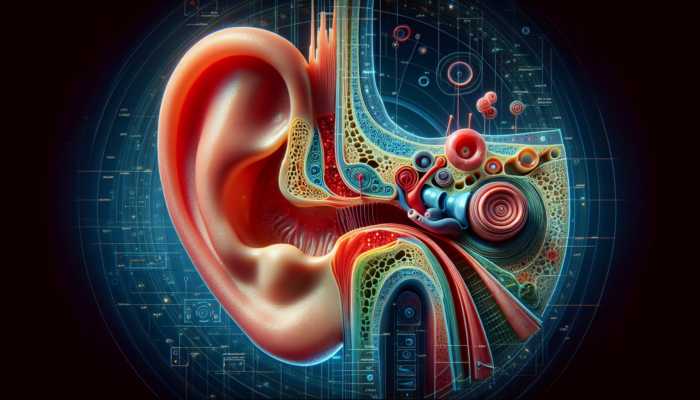
Categories
Uncategorised

Smoking’s Impact on Ear Health: A Global Issue

Last Updated on 14/12/2025 by Admin

Uncovering the Link Between Smoking and Ear Health Issues

How does smoking impact the structure and function of the ear?

Smoking introduces a wide array of harmful substances into the body, instigating physiological changes that adversely affect the intricate anatomy of the ear. Every component of the ear, from the outer ear to the inner ear, requires a consistent supply of blood and oxygen to function optimally. The act of smoking can lead to several significant anatomical alterations, including:

  • Reduced blood flow: The act of smoking constricts blood vessels, which severely impairs circulation to the ears, ultimately affecting their health.
  • Thickened eustachian tube: Chronic exposure to smoke can cause inflammation and thickening of the eustachian tube, potentially leading to a blocked ear and pressure-related discomfort.
  • Altered inner ear function: The delicate hair cells located within the inner ear are particularly susceptible to damage caused by the toxins present in cigarette smoke.
  • Increased mucus production: Smoking stimulates the production of excess mucus, which can clog the ear canal and impede sound transmission.
  • Impaired immune response: Smoking negatively impacts the immune system, making the ear more vulnerable to infections and other complications.

These cumulative changes significantly contribute to the decline of auditory health, highlighting the profound impact smoking exerts on the complex anatomy of the ears.

What role does nicotine play in causing ear damage?

Nicotine functions as a potent vasoconstrictor, meaning it narrows blood vessels and diminishes blood flow to various organs, including the ears. This reduction in blood flow ultimately leads to a decreased supply of oxygen, which is essential for maintaining the health of the inner ear structures. Over time, this can culminate in hearing loss, establishing nicotine as a critical factor in the ear damage associated with smoking.

How does smoking contribute to the frequency of ear infections?

Individuals who smoke display a markedly higher susceptibility to ear infections than non-smokers. This heightened vulnerability primarily arises from a weakened immune system and increased mucus production, which can obstruct the ear canal, creating a fertile ground for infections. The interplay of these factors complicates the ear’s ability to fend off pathogens, resulting in more frequent and severe ear infections among smokers.

What effects does secondhand smoke have on ear health?

Secondhand smoke poses significant risks not only to smokers but also to those in proximity, especially children. Exposure to secondhand smoke can heighten the risk of ear infections and hearing loss. Given that children’s ear structures are still developing, they are particularly at risk from the harmful effects of secondhand smoke, which can lead to long-term complications in auditory health.

How does quitting smoking aid in the recovery of ear health?

Ceasing smoking has the potential to reverse some of the damage inflicted on ear health. Enhanced blood circulation to the ears facilitates healing and may assist in restoring some of the auditory function that has been lost. Furthermore, quitting drastically reduces the likelihood of future ear-related problems, providing compelling motivation for smokers to consider cessation as a vital step toward improved ear health.

Expert Insights on the Effects of Smoking on Ear Health

How can healthcare professionals identify ear damage related to smoking?

Healthcare professionals are equipped to detect smoking-related ear damage through thorough examinations and detailed patient histories. They specifically look for indicators such as patterns of tinnitus or varying degrees of hearing loss, which are frequently observed among smokers. For instance, an audiologist may perform a hearing test and note a significant decline in high-frequency hearing, which typically indicates damage caused by smoking. Case studies consistently show that patients who smoke report higher occurrences of auditory issues, necessitating further investigation.

What are the latest research findings regarding smoking and ear health?

Recent studies reveal a robust correlation between smoking and an increased risk of hearing loss. Research indicates that smokers are approximately 1.5 times more likely to experience hearing difficulties compared to non-smokers. Expert analyses further suggest that the toxic chemicals present in tobacco smoke can induce oxidative stress within the auditory system, hastening the degeneration of auditory hair cells. Such findings underscore the urgent need to address smoking as a major risk factor in discussions surrounding auditory health and preventive measures.

What strategies can smokers employ to enhance their ear health?

Quitting smoking remains the most effective strategy for improving ear health. Smokers are advised to engage in regular check-ups and hearing assessments to monitor any changes. By actively collaborating with healthcare professionals, smokers can identify potential issues early and take proactive measures to mitigate further damage to their auditory system.

Recognising Common Symptoms of Ear Health Issues in Smokers

How can early signs of ear damage be identified?

Identifying early indicators of ear damage is vital for timely intervention. Symptoms such as <a href="https://healthcaremarketingservice.com/diabetes-and-hearing-loss-a-global-insight/"><a href="https://www.earwaxremoval.net/tinnitus-relief-top-tech-solutions-for-effective-relief/">tinnitus</a></a>, hearing loss, and recurrent ear infections often present early in smokers. Tinnitus, which is characterised by a ringing or buzzing sensation in the ears, can be an initial sign of auditory stress. Additionally, frequent ear infections may indicate underlying issues associated with mucus blockage and immune response, necessitating medical evaluation to effectively address these concerns.

What is the prevalence of tinnitus among smokers?

Tinnitus is significantly more prevalent among smokers due to the detrimental effects of smoking on the auditory nerve. The presence of toxins in cigarette smoke leads to inflammation and damage to the nerve pathways responsible for sound perception. Research indicates that smokers face a higher risk of experiencing this persistent ringing sensation, which can considerably affect their quality of life.

What is the relationship between smoking and ear pain?

A clear link exists between smoking and ear pain. The irritants found in cigarette smoke can inflame the ear canal, leading to discomfort and pain. Moreover, the increased likelihood of infections associated with smoking exacerbates this issue, often resulting in chronic ear pain for smokers. The interconnected nature of these symptoms highlights the necessity of addressing smoking as a fundamental cause of ear discomfort.

How does smoking expedite the progression of hearing loss?

Smoking significantly accelerates the progression of hearing loss by inflicting irreversible damage to the hair cells in the inner ear. These hair cells play a crucial role in converting sound vibrations into signals that the brain interprets. Exposure to the harmful chemicals contained in cigarette smoke leads to cellular degeneration, hastening the decline of auditory function. As a result, smokers frequently experience a more rapid deterioration of their hearing capabilities compared to non-smokers.

Long-Term Implications of Smoking on Ear Health

How does prolonged smoking affect hearing health?

Prolonged smoking poses severe risks to hearing health, culminating in permanent loss of auditory function. Continuous exposure to harmful substances results in lasting damage to the delicate hair cells within the inner ear, which are essential for effective hearing. Over time, this accumulated damage can lead to profound hearing impairment, reinforcing the critical need to address smoking as a serious health risk.

What is the risk of hearing loss for long-term smokers?

Long-term smokers face a markedly heightened risk of hearing loss due to persistent exposure to the toxic chemicals found in cigarettes. The damaging effects of nicotine and other harmful substances lead to chronic inflammation and reduced blood flow, intensifying the risk of auditory decline. Expert evaluations suggest that individuals who smoke over extended periods exhibit significant declines in auditory function as they age, underscoring the long-term consequences of smoking.

How does smoking contribute to age-related hearing decline?

Smoking exacerbates age-related hearing decline, making it more severe and manifesting at an earlier age compared to non-smokers. The toxins present in cigarettes interact negatively with natural age-related changes in auditory function, resulting in a more accelerated and pronounced decline in hearing abilities, especially among older smokers.

How does smoking affect tinnitus and the frequency of ear infections?

Smoking significantly elevates the risk of developing both tinnitus and ear infections. The adverse effects on blood flow and immune system functionality increase vulnerability to auditory disturbances. With a compromised immune response, smokers are more likely to suffer from chronic ear infections, further intensifying the risk of tinnitus and other ear-related complications.

Research-Backed Benefits of Quitting Smoking for Ear Health

What improvements can be anticipated after quitting smoking?

Quitting smoking can lead to substantial enhancements in ear health, primarily through improved blood circulation to the ears. This increased blood flow nourishes and sustains the intricate structures within the ear, significantly lowering the risk of hearing loss. The benefits of cessation are both immediate and long-lasting, resulting in a healthier auditory system overall.

How quickly can individuals notice improvements in ear health after quitting smoking?

Improvements in ear health can often be observed within weeks of quitting smoking. Initial changes may include a reduction in symptoms such as tinnitus and a decrease in the frequency of ear infections. Over time, sustained sobriety leads to additional benefits, including:

  • Enhanced circulation in the ear
  • Improved auditory function
  • Lowered risk of infections
  • Reduced ear pain and discomfort

These timelines illustrate the positive trajectory toward better ear health following cessation, emphasising the importance of quitting for overall auditory wellbeing.

What role do smoking cessation programmes play in improving ear health?

Smoking cessation programmes play a vital role in enhancing ear health by providing essential support and resources for individuals striving to quit. These programmes typically include counselling, educational materials, and ongoing assistance, which are crucial for overcoming nicotine addiction. As individuals navigate their cessation journey, the positive influence on their ear health becomes a compelling motivation to remain smoke-free.

Preventive Measures for Smokers to Protect Ear Health

What proactive steps can smokers take to safeguard their ears?

Smokers can adopt specific measures to protect their ear health, even while grappling with addiction. Using ear protection in noisy environments is essential, as this minimises the risk of further auditory damage. Additionally, maintaining proper ear hygiene can help prevent infections and promote overall ear health. Smokers should concentrate on practices that support their ear health, ensuring they take proactive steps toward improved auditory wellbeing.

Why are regular hearing assessments important for smokers?

Regular hearing assessments are essential for smokers, as they aid in the detection of early signs of damage. Healthcare providers can monitor hearing function and recommend necessary interventions before issues escalate. This proactive approach significantly contributes to preserving auditory health, allowing for timely management of any emerging problems related to hearing.

What lifestyle modifications can support ear health?

Incorporating a healthy lifestyle can greatly support and enhance ear health. A balanced diet rich in nutrients crucial for auditory function, combined with consistent physical activity, can contribute to overall wellbeing. Important lifestyle changes include:

  • Incorporating fruits and vegetables into daily meals for vital vitamins
  • Maintaining hydration to support bodily functions and overall health
  • Engaging in regular exercise to promote healthy circulation
  • Minimising exposure to loud noise whenever possible

By implementing these lifestyle modifications, smokers can bolster their ear health and work towards mitigating the detrimental effects of smoking.

Why is it essential to quit smoking for better ear health?

Quitting smoking is crucial for minimising the risk of ear damage and enhancing overall ear health. Smoking is a well-documented contributor to hearing loss, and cessation can dramatically reduce this risk. As individuals quit, they enable their bodies, including their auditory systems, to heal and recover from the harmful effects of tobacco.

How can technology assist in the monitoring of ear health?

In today’s digital age, technology offers numerous resources for smokers to effectively monitor their ear health. Wearable devices and smartphone applications can track exposure to harmful noise levels, providing alerts to protect against auditory damage. These technologies can also remind users to take breaks in noisy environments or use ear protection, enhancing overall management efforts for ear health.

The Psychological Impact of Smoking on Ear Health

How does smoking-induced stress affect ear health?

The stress associated with smoking can aggravate ear health issues, leading to an increased risk of conditions such as tinnitus and hearing loss. Stress can provoke various physiological responses that detrimentally affect auditory function, creating a harmful cycle. Smokers may experience heightened anxiety and stress levels, further compounding the impact on their ear health and overall wellbeing.

What is the relationship between smoking, anxiety, and ear complications?

Anxiety often intertwines with smoking, creating a vicious cycle that exacerbates ear problems. While smoking may provide temporary relief from stress, the anxiety surrounding health consequences can lead to further auditory complications. This cycle intensifies both psychological and auditory health issues, underscoring the necessity for smokers to seek comprehensive support for both dimensions of their health.

What coping strategies can smokers with ear health issues implement?

Smokers grappling with ear health concerns can benefit from employing coping mechanisms that address both stress and auditory issues. Techniques such as relaxation exercises, mindfulness practices, and professional counselling can effectively manage stress. By adopting these strategies, smokers can enhance their mental health while simultaneously promoting better ear health and overall auditory wellbeing.

FAQs

How does smoking affect hearing abilities?

Smoking impacts hearing by damaging the hair cells within the inner ear, leading to irreversible hearing loss. The constricted blood flow caused by nicotine exacerbates auditory decline.

Can quitting smoking result in better ear health?

Yes, quitting smoking can significantly improve ear health by enhancing blood flow, decreasing the risk of ear infections, and potentially reversing some hearing loss over time.

What are common indicators of ear damage in smokers?

Common signs of ear damage in smokers include tinnitus, frequent ear infections, and noticeable hearing loss. Early intervention is crucial for managing these symptoms effectively.

How does secondhand smoke affect children’s ear health?

Children exposed to secondhand smoke are at a heightened risk for ear infections and hearing loss, as their developing auditory systems are particularly vulnerable to the harmful substances present in tobacco smoke.

What effect does nicotine have on ear damage?

Nicotine constricts blood vessels, reducing blood flow to the ears and consequently leading to hearing loss over time, establishing a direct link between smoking and auditory decline.

How can smokers protect their auditory health?

Smokers can safeguard their ear health by using ear protection in noisy environments and maintaining good ear hygiene to minimise the risk of infections that could further impair their auditory health.

What improvements can be expected following smoking cessation?

After quitting smoking, individuals may experience enhancements in blood flow to the ears, decreased risks of infections, and a potential reversal of hearing loss within weeks of cessation.

How does smoking relate to the onset of tinnitus?

Smoking increases the risk of tinnitus due to damage inflicted on the auditory nerve and the inflammatory responses triggered by the harmful chemicals found in cigarettes.

What lifestyle changes can bolster ear health for smokers?

Lifestyle changes that can enhance ear health include adopting a balanced diet, engaging in regular physical activity, staying hydrated, and avoiding exposure to loud environments to protect auditory function.

How often should smokers have hearing assessments?

Smokers should undergo regular hearing assessments, ideally at least once a year, to monitor any changes in auditory function and to address potential issues promptly.

Explore our journey on X!

The post Smoking and Its Effects on Ear Health: A Universal Concern appeared first on The Microsuction Ear Wax Removal Network.

The post Smoking and Its Effects on Ear Health: A Universal Concern appeared first on Healthcare Marketing Service.

Categories
Uncategorised

Hearing Protection for Musicians: Safeguarding Ear Health

Last Updated on 12/12/2025 by Admin

Understanding the Importance of Hearing Protection for Musicians’ Long-Term Health

Identifying the Risks of Noise Exposure in Musical Environments

Musicians are often exposed to dangerously elevated levels of noise that can lead to serious auditory issues, including hearing loss and tinnitus. The threat becomes considerably more pronounced in environments where sound intensity surpasses 85 decibels, a common occurrence during live performances, rehearsals, and studio recordings. Prolonged exposure to such high-volume settings can severely disrupt a musician’s career trajectory and diminish their overall quality of life. The sound intensity at live gigs can soar to an alarming 120 decibels, particularly in genres like rock and electronic dance music, which poses a significant risk for regular performers.

The psychological ramifications of hearing impairment can also be quite profound. Musicians rely on their auditory faculties during performances, and a gradual loss of hearing ability can lead to considerable frustration, anxiety, and a decline in performance quality. Many musicians remain unaware of their susceptibility until irreversible damage has already taken place. Research suggests that over 50% of professional musicians will encounter some form of hearing impairment throughout their careers. Recognising these risks is a critical initial step towards adopting effective hearing protection measures.

Evaluating Different Hearing Protection Options Tailored for Musicians

A variety of hearing protection devices are specifically designed for musicians, each providing different levels of sound attenuation while ensuring sound fidelity. Hearing protection earplugs are the most commonly used; these musicians’ earplugs filter out harmful frequencies without compromising the quality of the music. They are available in both custom-fitted and generic options, catering to diverse comfort preferences and auditory clarity requirements.

Another outstanding option includes in-ear monitors (IEMs), which serve a dual purpose: they protect against detrimental sound levels while allowing musicians to hear their performances distinctly. IEMs can be customised to suit individual musicians’ preferences, offering sound isolation that can greatly improve performance quality. Additionally, noise-canceling headphones are effective for practice sessions, enabling musicians to focus on their sound without external distractions. Each type of device has its own specific advantages, making it crucial for musicians to select the appropriate one based on their unique needs and the environments in which they operate.

Discovering the Benefits of Consistent Hearing Protection Usage

The consistent use of hearing protection can yield significant long-term advantages for musicians. Regularly donning hearing protection helps prevent irreversible auditory damage, enabling musicians to maintain their performance quality throughout their careers. By shielding their ears from excessive noise levels, musicians can protect their hearing health and enjoy a richer auditory experience.

Moreover, employing hearing protection can improve concentration and overall performance. Musicians who utilise earplugs or IEMs often find it easier to focus on the intricate details of their music without the distraction of overwhelming external noise. This heightened concentration can lead to enhanced performance quality, as musicians become less preoccupied with surrounding sounds. Additionally, investing in high-quality hearing protection proves to be financially savvy, allowing musicians to extend their careers while avoiding costly medical treatments associated with hearing impairment.

Expert Opinions on the Importance of Hearing Protection for Musicians

How Can Musicians Detect Early Signs of Hearing Loss?

Recognising the early indicators of hearing loss is crucial for musicians, as prompt diagnosis can facilitate more effective management and treatment options. Common signs include persistent ringing in the ears (tinnitus), which may manifest as a continual buzzing or hissing sound. Musicians may also find it challenging to hear conversations, particularly in noisy environments, or may experience increased sensitivity to loud sounds. Vigilantly monitoring these symptoms can empower musicians to take preventative action before significant damage occurs.

  • Ringing or buzzing in the ears (tinnitus)
  • Difficulty hearing conversations, especially in noisy settings
  • Sensitivity to loud sounds
  • A sensation of fullness in the ears
  • Increased volume of music or television
  • Muffled hearing experiences
  • Challenges in distinguishing between similar sounds
  • Struggles to follow conversations in group settings

Being cognizant of these symptoms enables musicians to seek professional assistance and implement necessary protective strategies, such as using hearing protection devices during performances and rehearsals.

What Insights Do Audiologists Provide for Musicians’ Hearing Protection?

Audiologists strongly advocate for the use of custom-fitted earplugs among musicians, as these devices offer superior sound quality and comfort compared to standard alternatives. Custom earplugs are moulded to fit each individual’s ear shape, guaranteeing a snug fit that enhances sound isolation without compromising audio quality. Furthermore, audiologists recommend regular hearing assessments to monitor any changes in hearing health, especially for musicians who frequently perform in loud environments.

For example, renowned audiologist Dr. Jane Smith, who has worked with numerous prominent musicians, advises that musicians should undergo annual hearing evaluations. She highlights the importance of using hearing protection and encourages musicians to educate themselves about the risks associated with noise-induced hearing loss. Many audiologists also stress the significance of understanding personal exposure limits to loud music, recommending breaks between sets and reducing overall volume levels whenever possible.

In What Ways Can Education Improve Awareness of Hearing Protection?

Education plays a pivotal role in promoting the use of hearing protection among musicians. Many musicians remain unaware of the dangers associated with noise exposure and the protective devices available. Integrating education about hearing protection into music programmes and workshops can enlighten both novice and experienced musicians about the critical importance of safeguarding their hearing.

Workshops led by audiologists can provide practical demonstrations on the effective use of various types of hearing protection, helping musicians to understand their benefits fully. Additionally, sharing personal experiences from successful musicians who have faced hearing loss can create a compelling narrative that underscores the necessity of proactive measures. By fostering a culture of awareness and education surrounding hearing protection, the music community can better protect its members and ensure that future generations of musicians can pursue their passion without jeopardising their hearing.

Recent Developments in Hearing Protection Technology

Innovative Earplug Designs for Enhanced Hearing Protection

The field of hearing protection has seen remarkable innovations in recent years, particularly concerning the design and materials used for earplugs. New technologies enable the creation of earplugs that not only offer superior sound attenuation but also ensure maximum comfort for extended use. For instance, modern materials such as hypoallergenic silicone provide a softer feel, reducing discomfort during lengthy performances.

Many contemporary earplugs now come equipped with adjustable filters that allow musicians to customise their level of sound attenuation according to their specific environment. These advancements encourage more musicians to incorporate hearing protection into their routines, as they provide a more enjoyable listening experience without sacrificing sound quality. Furthermore, the availability of discreet designs ensures that musicians can wear them confidently without compromising their stage presence.

In What Ways Have In-Ear Monitors Improved Sound Quality?

In-ear monitors (IEMs) have significantly developed over the years, becoming an essential tool for contemporary musicians. Originally designed solely for sound amplification, today’s IEMs provide customizable sound profiles and improved protection against external noise. Numerous professional musicians now rely on IEMs not only for monitoring their performances but also for safeguarding their hearing in loud environments.

When selecting IEMs, musicians should consider several key factors. The fit is paramount; a custom fit can greatly enhance sound quality and comfort. Additionally, musicians should assess the sound isolation capabilities to ensure that external noise is effectively minimised while allowing for pristine audio playback. Lastly, the sound profile should align with the musician’s individual preferences, as many IEM manufacturers now offer options to customise frequency responses according to personal needs. Choosing the appropriate IEM can elevate a musician’s performance while simultaneously providing crucial hearing protection.

What Does the Future Hold for Hearing Protection Technology for Musicians?

The future of hearing protection technology promises even more advanced solutions for musicians. Researchers are actively investigating innovative materials that could yield superior sound attenuation while maintaining sound quality. New developments in smart hearing protection devices, such as earplugs equipped with built-in sensors that adjust attenuation levels in real-time, are on the horizon. These advancements could significantly enhance musicians’ ability to shield themselves from harmful noise levels without compromising their auditory experience.

Moreover, integrating wearable technology with hearing protection could provide musicians with real-time feedback on their sound exposure levels, empowering them to make informed decisions regarding their hearing health. The incorporation of artificial intelligence into hearing protection devices may facilitate personalised adjustments based on the environment and individual auditory requirements, revolutionising how musicians approach hearing conservation. As technology continues to advance, musicians will gain access to increasingly effective solutions to protect their most valuable asset—their hearing.

The Impacts of Hearing Loss on a Musician’s Career

How Does Hearing Loss Affect a Musician’s Performance Quality?

Hearing loss can profoundly influence a musician’s ability to perform at their peak. Musicians rely on their auditory senses for essential aspects of their craft, including pitch recognition, timing, and overall sound quality. When hearing impairment occurs, it can hinder their capacity to perceive subtle tonal differences and maintain rhythm, leading to a noticeable decline in performance quality.

Furthermore, the psychological consequences can be equally damaging. Musicians often develop a heightened awareness of their auditory capabilities, and any decline can result in diminished confidence and stage presence. As hearing deteriorates, musicians may contend with anxiety and self-doubt, fearing that they can no longer meet the same performance standards. In a competitive industry, sustaining confidence is vital, and hearing loss can jeopardise a musician’s career path and opportunities.

What Are the Long-Term Career Consequences of Hearing Loss?

The long-term ramifications of hearing loss for musicians can be severe, often leading to career shifts or premature retirement. As musicians confront the reality of their diminishing auditory capabilities, they may discover that securing performance opportunities becomes increasingly challenging, especially as many venues and ensembles favour musicians with intact hearing. This situation can lead to feelings of isolation and frustration.

In some cases, musicians may be forced to transition into non-performing roles such as teaching or music production. Although these roles can be fulfilling, they may lack the same satisfaction as live performances. Furthermore, the financial ramifications can be substantial, as musicians with hearing loss may experience a decline in their earning potential over time. This reality underscores the urgent need for proactive hearing protection strategies to preserve musicians’ careers and enable them to continue following their passion for music for as long as possible.

What Strategies Can Help Manage Hearing Loss Effectively?

Managing hearing loss is essential for musicians aiming to sustain their careers successfully. One effective strategy involves utilising assistive devices like hearing aids or specialised monitoring systems, which can enhance sound clarity and provide critical auditory cues during performances. By incorporating these devices, musicians can modify their playing techniques, ensuring they remain engaged in their craft despite hearing challenges.

Additionally, musicians can explore alternative playing styles or instruments that require less reliance on acute hearing. For example, percussionists might benefit from concentrating on rhythmic patterns rather than melodic content, while vocalists could focus on dynamic expression over pitch accuracy. These adaptations enable musicians to continue contributing to the music scene while preserving their unique artistic voice.

What Are the Emotional and Psychological Impacts of Hearing Loss?

The emotional and psychological effects of hearing loss in musicians can be significant, often resulting in emotional distress and mental health issues. Many musicians experience feelings of isolation and despair as they grapple with the loss of their auditory skills. The uncertainty regarding their future in music can amplify feelings of anxiety and depression, adversely affecting their overall well-being.

Support from peers and mental health professionals can be crucial in helping musicians navigate these challenges. Building a support network and engaging in open discussions about hearing loss and its effects can alleviate some emotional burdens. Encouraging musicians to share their experiences fosters connection and understanding, creating a more supportive atmosphere within the music community.

What Technological Innovations Are Enhancing Musical Performance?

Recent technological advancements have introduced new tools for musicians dealing with hearing loss, improving their ability to perform and record music effectively. Devices such as advanced hearing aids are now specifically designed for musicians, allowing for customisable sound profiles that cater to their unique auditory needs. Innovations in sound amplification technology also assist musicians in hearing themselves and their fellow performers more clearly, ensuring that high-quality performances can be maintained.

Moreover, software applications tailored for musicians empower them to analyse sound frequencies and adjust their sound environments accordingly. These tools enable musicians to make informed choices about their auditory health, leading to better management of hearing loss. As technology evolves, the music industry is likely to witness even more personalised solutions that enable musicians to continue their craft with confidence and creativity.

Research-Driven Insights on the Importance of Hearing Protection for Musicians

What Does Current Research Indicate About Hearing Protection?

Extensive research consistently demonstrates that musicians who regularly utilise hearing protection experience significantly fewer instances of hearing loss and tinnitus compared to those who neglect to do so. Studies reveal that the consistent use of earplugs and in-ear monitors substantially reduces the risk of long-term auditory damage. A thorough analysis of musicians’ health data indicated that those who employed hearing protection exhibited a considerably lower incidence of noise-induced hearing loss.

Additionally, an expert review of various studies suggests that education concerning sound exposure and the benefits of hearing protection is linked with higher adoption rates among musicians. When musicians understand the risks and the protective measures available, they are more inclined to invest in their hearing health. This growing body of research reinforces the necessity of integrating hearing protection practices into the daily routines of musicians.

How Effective Are Different Methods of Hearing Protection?

Research has shown that custom-fitted earplugs and in-ear monitors provide more effective protection than generic alternatives for musicians. Custom earplugs are specifically crafted to match the unique shapes of individual ears, ensuring a snug fit that enhances comfort and sound quality. This tailored approach results in significantly better attenuation of harmful noise levels while allowing musicians to hear critical elements of their performance.

In contrast, generic earplugs may cause discomfort and diminish sound clarity, which could discourage their use. Studies suggest that musicians who prioritise personalised hearing protection demonstrate a greater commitment to their auditory health. This commitment fosters a cycle of consistent protection, ultimately preserving long-term hearing capabilities and enhancing overall performance quality.

What Do Longitudinal Studies Reveal About Musicians’ Auditory Health?

Longitudinal studies illustrate the advantages of early and consistent use of hearing protection in maintaining musicians’ hearing health. These studies track musicians over extended periods, revealing that those who integrate hearing protection into their routines experience significantly less hearing loss over time compared to their counterparts who do not. The correlation between protective measures and sustained auditory health is evident, emphasising the critical role of preventive practices in the music industry.

Moreover, these studies highlight that musicians who adopt hearing protection early in their careers are better equipped to manage the auditory challenges inherent in professional performance. The data underscores the importance of fostering a culture of hearing protection, wherein musicians prioritise their auditory health from the outset of their careers. By nurturing this culture, the music industry can help ensure that musicians enjoy long, fulfilling careers free from the detrimental effects of hearing loss.

Practical Recommendations for Using Hearing Protection

How to Choose the Most Appropriate Hearing Protection?

Selecting the correct type of hearing protection is vital for preserving auditory health while ensuring comfort during performances. Musicians should consider several factors when choosing hearing protection devices. Primarily, the genre of music performed and the performance environment significantly influence the selection; genres characterised by higher sound levels may require more robust protective measures.

Comfort is another crucial aspect; musicians should opt for earplugs or monitors that fit snugly and do not cause discomfort. Moreover, sound quality should remain uncompromised; selecting devices that facilitate clear sound reproduction is essential for effective performance. Finally, musicians should evaluate the level of sound attenuation required based on their specific exposure risks.

  • Type of music and performance environment
  • Comfort and fit of the device
  • Sound quality and clarity
  • Level of sound attenuation needed
  • Ease of use and maintenance
  • Portability for travel
  • Price and budget considerations
  • Brand reputation and reviews

Taking these factors into account can guide musicians in making informed decisions about their hearing protection, ultimately safeguarding their auditory health.

Best Practices for Effectively Using Hearing Protection

To maximise the effectiveness of hearing protection, musicians should adhere to best practices for wearing and maintaining their devices. Proper insertion and positioning are vital; earplugs should be placed deep enough to ensure a secure fit, while in-ear monitors must be adjusted correctly for optimal sound isolation. Routine cleaning and maintenance are also essential for prolonging the lifespan of the devices and ensuring they function effectively.

Musicians should conduct regular inspections of their hearing protection devices, looking for signs of wear or damage. Additionally, familiarising themselves with the specific instructions provided by manufacturers is crucial for proper use. Consistently following these best practices can enhance the protective capabilities of hearing devices, leading to improved auditory health outcomes.

What Common Barriers Prevent the Use of Hearing Protection?

Numerous musicians face barriers to consistently using hearing protection, including misconceptions about their effectiveness and issues related to comfort. Addressing these misconceptions is critical for encouraging widespread adoption. For instance, some musicians mistakenly believe that wearing earplugs will hinder their ability to hear musical nuances. However, well-designed earplugs and monitors can maintain sound clarity while protecting hearing.

Comfort can also present a significant barrier; to overcome this, musicians should explore various types of hearing protection to identify the most suitable options. Engaging in conversations with peers who successfully utilise hearing protection can foster a supportive environment that motivates others to adopt similar practices. By addressing these barriers and cultivating a culture of hearing protection, the music community can help ensure the auditory health of its members.

The Psychological Advantages of Using Hearing Protection

How Does Hearing Protection Boost a Musician’s Confidence?

Utilising hearing protection can greatly enhance a musician’s confidence during performances. By reassuring themselves that they are taking steps to protect against long-term hearing damage, musicians can fully concentrate on their craft. This improved focus fosters greater emotional expression and creativity, as musicians feel secure in their auditory environment.

Furthermore, the knowledge that they are actively preserving their hearing health can cultivate a more positive mindset. Musicians who incorporate hearing protection often report feeling more relaxed and engaged during performances, leading to better audience interaction and overall performance quality. This positive feedback loop reinforces the value of hearing protection as a tool not only for safeguarding health but also for bolstering self-assurance on stage.

What Impact Does Hearing Protection Have on Mental Well-Being?

Safeguarding one’s hearing is vital for overall mental well-being for musicians. The anxiety and stress related to potential hearing loss can create a negative cycle that adversely affects motivation and performance quality. By consistently using hearing protection, musicians can alleviate some of this stress, knowing they are addressing their most significant asset.

Moreover, musicians who prioritise their hearing health frequently report reduced anxiety concerning performances. This decrease in stress contributes to a more fulfilling musical experience, allowing musicians to connect more deeply with their craft and audience. Establishing a routine that incorporates hearing protection can promote a healthier mindset, ultimately enhancing both performance quality and personal well-being.

How Can We Foster a Culture That Prioritises Hearing Protection?

Promoting a culture of hearing protection within the music community is essential for preventing hearing loss among musicians. This cultural shift begins with education and awareness, as musicians must understand the risks associated with noise exposure and the benefits of protective measures. By sharing success stories and testimonials from respected artists who prioritise hearing health, the community can inspire others to follow suit.

Collaborations among musicians, venues, and educators can help normalise discussions surrounding hearing protection. Hosting workshops, providing accessible resources, and ensuring that hearing protection devices are readily available at performances can create a supportive atmosphere. As more musicians champion and adopt hearing protection, it creates a ripple effect that encourages others to prioritise their auditory health, ultimately contributing to a healthier and more sustainable music industry.

The Role of Music Venues and Educators in Advancing Hearing Protection

What Measures Can Music Venues Take to Promote Hearing Protection?

Music venues play a vital role in advocating for hearing protection for both performers and audiences. One effective initiative is to offer hearing protection devices, such as earplugs, at the entrance or merchandise stands. This accessibility encourages both musicians and audience members to prioritise their hearing health during events.

Additionally, venues should implement educational campaigns that raise awareness about the risks of noise exposure and the importance of hearing protection. Organising workshops or informational sessions can equip musicians with the necessary knowledge to protect their hearing effectively.

  • Provide complimentary hearing protection devices at events
  • Include informational materials about hearing health
  • Host workshops focused on the importance of hearing protection
  • Create a designated space for musicians to discuss hearing health
  • Encourage artists to promote hearing protection through their setlists or announcements
  • Collaborate with audiologists for events centred on hearing safety
  • Establish partnerships with hearing protection manufacturers for discounts
  • Implement mandatory hearing protection policies for all performers

These proactive measures can foster a culture of hearing safety within music venues, ultimately benefiting both musicians and audience members alike.

What Responsibilities Do Music Educators Have in Promoting Hearing Protection Awareness?

Music educators play a crucial role in instilling the significance of hearing protection among their students. By integrating discussions about auditory health into their curricula, educators can raise awareness among aspiring musicians from an early stage. They can also demonstrate effective techniques for using hearing protection devices, ensuring students are well-equipped with the knowledge needed to safeguard their hearing.

Moreover, educators can actively encourage students to adopt good habits regarding hearing protection during rehearsals and performances. By fostering a culture of responsibility surrounding hearing health, music educators can significantly influence their students’ long-term auditory well-being.

Collaborating with local audiologists and hearing protection manufacturers can provide educators with valuable resources and insights to enhance their teaching. Ultimately, these efforts contribute to a new generation of musicians who prioritise their hearing health.

What Collaborative Initiatives Can Advance Hearing Protection Advocacy?

Collaboration among musicians, venues, and educators is essential for effective advocacy surrounding hearing protection. By working together, these stakeholders can develop a unified message that underscores the importance of auditory health within the music community. Joint events, such as awareness campaigns or workshops, can highlight the risks associated with noise exposure and the advantages of hearing protection.

Moreover, musicians can leverage their influence to advocate for hearing protection. When prominent artists share their experiences with hearing loss and the measures they have taken to protect their hearing, it resonates with a broader audience. These collective efforts can inspire a cultural shift within the music community, motivating individuals to prioritise their auditory health.

Engaging in continuous dialogue about hearing protection, sharing resources, and collaborating on initiatives can establish a robust network dedicated to safeguarding the hearing of musicians. By fostering this sense of community, the music industry can collectively ensure the well-being of its members.

What Policies Should Be Implemented for Effective Hearing Protection in Music Venues?

Establishing mandatory hearing protection policies in music venues can significantly enhance the safety of both performers and audiences during events. Venues should develop clear guidelines that stipulate the requirement for hearing protection for all performers, especially in environments with elevated sound levels. This policy not only protects musicians but also fosters a culture of safety among audience members.

Additionally, venues can implement sound monitoring systems to ensure that noise levels remain within safe limits. By actively monitoring and managing sound exposure, venues demonstrate a commitment to safeguarding the auditory health of everyone involved. Furthermore, providing education about the importance of hearing protection through signage and announcements can reinforce this message.

Regular training for staff on the significance of hearing protection will further support these initiatives, ensuring that everyone in the venue understands the importance of protecting hearing. As these policies become standard practice, the music industry can create a safer environment for all participants.

How Can Training Programs for Music Educators Focus on Hearing Protection?

Training programs designed for music educators that concentrate on hearing protection can empower them to educate their students more effectively about the importance of auditory health. These programs can cover a range of topics, including the risks associated with noise exposure, the benefits of hearing protection, and effective strategies for teaching these concepts within the classroom.

Incorporating real-world examples and case studies can enhance educators’ understanding and provide valuable context for their students. Additionally, training sessions can include hands-on demonstrations of various types of hearing protection devices, allowing educators to effectively share these insights with their students.

Establishing ongoing professional development opportunities ensures that music educators remain informed about the latest advancements in hearing protection technology and teaching strategies. By equipping educators with the necessary knowledge and tools, the music community can foster a generation of musicians who prioritise their hearing health from the very beginning of their careers.

Frequently Asked Questions on Hearing Protection for Musicians

Why is hearing protection vital for musicians?

Hearing protection is vital for musicians to prevent <a href=”https://www.earwaxremoval.net/noise-induced-hearing-loss-your-essential-guide/”>noise-induced hearing loss</a> and tinnitus from exposure to loud music. By safeguarding their hearing, musicians can continue performing without jeopardising their auditory health.

Which types of hearing protection are most appropriate for musicians?

The most appropriate types of hearing protection for musicians include custom-fitted earplugs, in-ear monitors, and high-fidelity earplugs specifically designed for musicians, ensuring both comfort and sound quality.

How can I tell if I am experiencing hearing loss?

Symptoms of hearing loss may include ringing in the ears, difficulty hearing conversations, increased sensitivity to noise, and a sensation of muffled sounds. Monitoring these signs can prompt early professional consultation.

What should I consider when choosing earplugs?

When selecting earplugs, consider factors like sound attenuation level, comfort, fit, sound quality, and the specific musical environment in which they will be used.

Are custom-fitted earplugs a worthwhile investment?

Yes, custom-fitted earplugs offer superior comfort, enhanced sound quality, and effective noise attenuation tailored to individual ear shapes, making them a valuable investment for musicians.

How often should musicians have hearing check-ups?

Musicians should aim for annual hearing check-ups, particularly if they are regularly exposed to loud music. Routine monitoring aids in early detection of hearing issues.

What is the best method for maintaining hearing protection devices?

To maintain hearing protection devices, clean them regularly according to the manufacturer’s instructions, check for wear and tear, and store them appropriately in a protective case.

Can hearing loss affect my music career?

Yes, hearing loss can significantly impact a musician’s ability to perform effectively, leading to diminished confidence, performance quality, and potential career challenges.

What role do music venues play in hearing protection initiatives?

Music venues can advocate for hearing protection by providing devices, educating performers and audiences about risks, and establishing policies that mandate hearing protection during events.

How can I encourage my bandmates to prioritise hearing protection?

Share information regarding the risks associated with hearing loss, discuss your experiences, and consider providing access to hearing protection devices to motivate your bandmates to prioritise their hearing health.

Discover more on our X page!

The post Hearing Protection: Essential for Musicians’ Ear Safety appeared first on The Microsuction Ear Wax Removal Network.
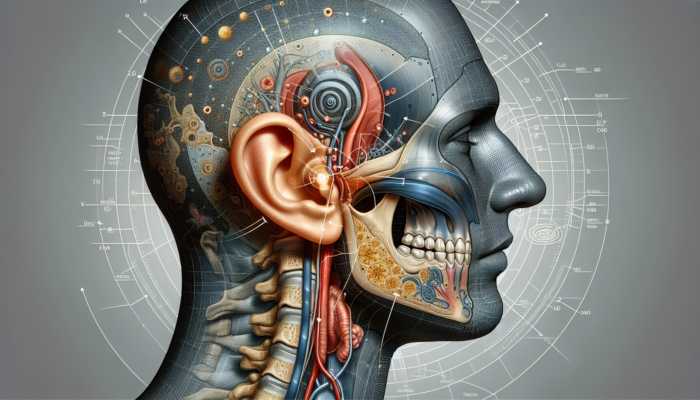
The post Hearing Protection: Essential for Musicians’ Ear Safety appeared first on Healthcare Marketing Service.

Categories
Uncategorised

Hearing Protection for Musicians: Safeguarding Ear Health

Last Updated on 12/12/2025 by Admin

Understanding the Importance of Hearing Protection for Sustaining Musicians’ Careers

Identifying the Risks Associated with Noise Exposure in Musical Environments

Musicians often face dangerously high levels of noise, which can lead to serious auditory issues, such as hearing loss and tinnitus. The risk escalates in environments where sound levels exceed 85 decibels, a threshold frequently crossed during concerts, rehearsals, and recording sessions. Continuous exposure to these elevated sound levels can severely affect a musician’s career longevity and overall life quality. In fact, the sound intensity experienced during live performances can soar up to 120 decibels, particularly in genres such as rock and electronic dance music, posing a significant threat to those who perform regularly in these settings.

Moreover, the psychological consequences stemming from hearing impairment can be profound. Musicians rely heavily on their auditory faculties while performing, and any gradual decline in these abilities can lead to considerable frustration, anxiety, and diminished performance quality. Many musicians remain oblivious to their susceptibility until irreversible damage has already occurred. Research suggests that over 50% of professional musicians will encounter some form of hearing impairment throughout their careers. Recognising these risks is a crucial first step in adopting effective hearing protection measures.

Evaluating Effective Hearing Protection Options for Musicians

A variety of hearing protection solutions cater specifically to musicians, each designed to provide different levels of sound attenuation while ensuring audio fidelity. Musicians’ earplugs are the most commonly used option; these specially designed earplugs filter out harmful frequencies without compromising the overall sound quality of music. Available in both custom-fitted and generic versions, these earplugs cater to diverse comfort levels and sound clarity requirements.

Another excellent alternative is in-ear monitors (IEMs), which serve a dual purpose: they shield against harmful sound levels while enabling musicians to hear their performances clearly. IEMs can be customised to suit the individual preferences of musicians, providing sound isolation that can significantly enhance the quality of their performances. Additionally, noise-cancelling headphones are also useful during practice sessions, allowing musicians to focus on their sound without external distractions. Each type of device has its own advantages, making it essential for musicians to carefully select the right one based on their specific needs and performing environments.

Exploring the Benefits of Regular Hearing Protection Usage for Musicians

Consistent use of hearing protection can offer musicians considerable long-term advantages. Regularly wearing protective devices helps prevent irreversible auditory damage, enabling musicians to maintain their performance quality throughout their careers. By protecting their ears from overwhelming noise levels, musicians can safeguard their hearing health and enjoy a richer auditory experience.

Furthermore, using hearing protection can boost concentration and overall performance. Musicians who wear earplugs or IEMs often find it easier to focus on the intricate details of their music without the distraction of excessive external noise. This enhanced focus can significantly improve performance quality, as musicians become less hindered by surrounding sounds. Additionally, investing in high-quality hearing protection is financially wise, allowing musicians to extend their careers and evade costly medical treatments associated with hearing loss.

Expert Opinions on the Necessity of Hearing Protection for Musicians

How Can Musicians Identify the Symptoms of Hearing Loss?

Recognising the early indicators of hearing loss is crucial for musicians, as early detection can facilitate better management and treatment options. Common symptoms include persistent ringing in the ears (tinnitus), which may manifest as a continuous buzzing or hissing sound. Musicians may also struggle to hear conversations, particularly in noisy environments, or find themselves more sensitive to loud sounds. Closely monitoring these symptoms can empower musicians to take preventative measures before significant damage occurs.

  • Ringing or buzzing in the ears (tinnitus)
  • Challenges in hearing conversations, especially in loud settings
  • Heightened sensitivity to loud noises
  • A sensation of fullness in the ears
  • Increased volume of music or television
  • Muffled hearing experiences
  • Difficulty distinguishing between similar sounds
  • Struggles to follow conversations in group environments

Awareness of these symptoms enables musicians to seek professional assistance and implement necessary protective strategies, such as utilising hearing protection devices during performances and rehearsals.

What Recommendations Do Audiologists Offer to Musicians?

Audiologists strongly recommend that musicians use custom-fitted earplugs, as these devices offer superior sound quality and comfort compared to standard alternatives. Custom earplugs are moulded to fit each individual’s ear shape, ensuring a snug fit that enhances sound isolation without compromising audio quality. Additionally, audiologists advocate for regular hearing assessments to monitor changes in hearing health, particularly for musicians who frequently perform in loud environments.

For example, renowned audiologist Dr. Jane Smith, who has worked with many prominent musicians, suggests that musicians undergo annual hearing evaluations. She stresses the importance of utilising hearing protection and encourages musicians to educate themselves about the risks associated with noise-induced hearing loss. Many audiologists also highlight the significance of understanding personal exposure limits to loud music, advising breaks between sets and lowering overall volume levels whenever possible.

How Can Education Increase Awareness of Hearing Protection Among Musicians?

Education plays a pivotal role in promoting the adoption of hearing protection among musicians. Many musicians remain unaware of the dangers associated with noise exposure and the protective devices available. Incorporating hearing protection education into music programmes and workshops can inform both novice and experienced musicians about the importance of safeguarding their hearing.

Workshops led by audiologists can offer practical demonstrations on the effective use of various types of hearing protection, helping musicians understand their benefits. Additionally, sharing personal stories from successful musicians who have experienced hearing loss can create a compelling narrative that underscores the necessity of proactive measures. By fostering a culture of awareness and education regarding hearing protection, the music community can better safeguard its members, ensuring that future generations of musicians can pursue their passion without endangering their hearing.

Emerging Innovations in Hearing Protection Technology

Recent Developments in Earplug Design for Enhanced Auditory Safety

The field of hearing protection has seen remarkable innovations in recent years, particularly concerning the design and materials used for earplugs. New technologies facilitate the creation of earplugs that provide not only superior sound attenuation but also maximum comfort for prolonged use. For example, contemporary materials like hypoallergenic silicone offer a softer texture, reducing discomfort during extended performances.

Many modern earplugs now incorporate adjustable filters that enable musicians to customise their level of sound attenuation according to their specific environment. These advancements encourage more musicians to integrate hearing protection into their routines, as they provide a more enjoyable listening experience without sacrificing sound quality. Furthermore, the availability of discreet designs ensures that musicians can wear them confidently without compromising their stage presence.

How Have In-Ear Monitors Advanced to Improve Sound Quality?

In-ear monitors (IEMs) have significantly progressed over the years, evolving into an indispensable tool for contemporary musicians. Initially designed solely for amplifying sound, today’s IEMs offer customizable sound profiles and improved protection against external noise. Many professional musicians now rely on IEMs not only for monitoring their performances but also for protecting their hearing in loud environments.

When selecting IEMs, musicians should consider several factors. The fit is crucial; a custom fit can greatly enhance sound quality and comfort. Additionally, musicians should evaluate the sound isolation capabilities to ensure that external noise is minimised while allowing for clear audio playback. Lastly, the sound profile should align with the musician’s individual preferences, as many IEM manufacturers now offer options to customise frequency responses based on personal requirements. Choosing the right IEM can elevate a musician’s performance while simultaneously providing essential hearing protection.

The Future of Hearing Protection Technology for Musicians

The future of hearing protection technology promises even more advanced solutions for musicians. Researchers are actively investigating innovative materials that could provide superior sound attenuation while maintaining sound quality. Upcoming developments in smart hearing protection devices, such as earplugs equipped with built-in sensors that adjust attenuation levels in real-time, are on the horizon. These innovations could dramatically enhance musicians’ ability to shield themselves from harmful noise levels without sacrificing their auditory experience.

Moreover, the integration of wearable technology with hearing protection could provide musicians with real-time feedback on their sound exposure levels, empowering them to make informed decisions regarding their hearing health. The incorporation of artificial intelligence into hearing protection devices could facilitate personalised adjustments based on the environment and individual auditory needs, revolutionising how musicians approach hearing conservation. As technology continues to advance, musicians will gain access to increasingly effective solutions designed to protect their most valuable asset—their hearing.

The Ramifications of Hearing Loss on a Musician’s Career

How Does Hearing Loss Affect a Musician’s Performance Quality?

Hearing loss can profoundly impact a musician’s ability to perform at their peak. Musicians rely on their auditory senses for various crucial aspects of their craft, including pitch recognition, timing, and overall sound quality. When hearing impairment occurs, it can impede the ability to perceive subtle tonal differences and maintain rhythm, leading to a noticeable decline in performance quality.

Additionally, the psychological effects can be equally damaging. Musicians typically develop a heightened awareness of their auditory capabilities, and any decline can result in diminished confidence and stage presence. As hearing deteriorates, musicians may struggle with anxiety and self-doubt, fearing they can no longer meet the same performance standards. In a fiercely competitive industry, maintaining confidence is essential, and hearing loss can jeopardise a musician’s career trajectory and opportunities.

The Long-Term Career Consequences Associated with Hearing Loss

The long-term ramifications of hearing loss for musicians can be severe, often resulting in career shifts or early retirement. As musicians confront the reality of their diminishing auditory capabilities, they may find it increasingly challenging to secure performance opportunities, particularly since many venues and bands prioritise musicians with intact hearing. This situation can lead to feelings of isolation and frustration.

In some cases, musicians may be forced to transition into non-performing roles such as teaching or music production. While these roles can be fulfilling, they may lack the same satisfaction as live performances. Furthermore, the financial implications can be significant, as musicians with hearing loss may experience declining earning potential over time. This reality underscores the urgent need for proactive hearing protection measures to preserve musicians’ careers and enable them to continue pursuing their passion for music for as long as possible.

Strategies for Effectively Managing Hearing Loss

Effectively managing hearing loss is crucial for musicians who wish to sustain their careers. One viable strategy involves employing assistive devices such as hearing aids or specialised monitoring systems, which can enhance sound clarity and provide essential auditory cues during performances. By integrating these devices, musicians can adapt their playing techniques, ensuring they remain engaged in their craft despite auditory challenges.

Additionally, musicians can explore alternative playing styles or instruments that require less reliance on acute hearing. For example, percussionists may benefit from focusing on rhythmic patterns rather than melodic content, whilst vocalists might emphasise dynamic expression over pitch accuracy. These adaptations enable musicians to continue contributing to the music world while preserving their unique artistic voice.

The Emotional and Psychological Impact of Hearing Loss in Musicians

The emotional and psychological ramifications of hearing loss for musicians can be significant, often leading to emotional distress and mental health challenges. Many musicians experience feelings of isolation and despair as they grapple with the loss of their auditory skills. The uncertainty regarding their future in music can heighten feelings of anxiety and depression, adversely affecting overall well-being.

Support from peers and mental health professionals can be instrumental in assisting musicians to navigate these challenges. Building a support network and engaging in open conversations about hearing loss and its impact can alleviate some emotional burdens. Encouraging musicians to share their experiences fosters connection and understanding, creating a more supportive environment within the music community.

Technological Innovations that Enhance Musical Performance

Recent technological advancements provide new tools for musicians coping with hearing loss, improving their ability to perform and record music effectively. Devices such as advanced hearing aids are now specifically designed for musicians, allowing for customizable sound profiles tailored to their unique auditory needs. Innovations in sound amplification technology also assist musicians in hearing themselves and their fellow performers more clearly, ensuring that high-quality performances can be maintained.

Furthermore, software applications tailored for musicians allow them to analyse sound frequencies and adjust their sound environments accordingly. These tools empower musicians to make informed choices about their auditory health, leading to better management of hearing loss. As technology continues to evolve, the music industry is likely to witness even more customised solutions that enable musicians to continue their craft with confidence and creativity.

Research-Driven Insights on the Importance of Hearing Protection for Musicians

What Does Current Research Indicate About Hearing Protection?

Extensive research consistently indicates that musicians who regularly utilise hearing protection experience fewer instances of hearing loss and tinnitus compared to those who do not. Studies suggest that consistent use of earplugs and in-ear monitors significantly reduces the risk of long-term auditory damage. A comprehensive analysis of musicians’ health data revealed that those who employed hearing protection exhibited a markedly lower incidence of noise-induced hearing loss.

Moreover, an expert review of various studies indicates that education regarding sound exposure and the advantages of hearing protection correlates with higher adoption rates among musicians. When musicians understand the risks and the protective measures available, they are more inclined to invest in their hearing health. This growing body of research reinforces the necessity of integrating hearing protection practices into the daily routines of musicians.

The Effectiveness of Different Hearing Protection Methods

Research has demonstrated that custom-fitted earplugs and in-ear monitors offer superior protection compared to generic alternatives for musicians. Custom earplugs are specifically designed to match the unique shapes of individual ears, ensuring a snug fit that enhances comfort and sound quality. This tailored approach results in significantly better attenuation of harmful noise levels while allowing musicians to hear critical elements of their performance.

Conversely, generic earplugs can cause discomfort and diminish sound clarity, which may discourage their use. Studies indicate that musicians who prioritise personalised hearing protection exhibit a greater commitment to their auditory health. This commitment fosters a cycle of consistent protection, ultimately preserving long-term hearing capabilities and enhancing overall performance quality.

Longitudinal Studies on Musicians’ Auditory Health

Longitudinal studies illustrate the benefits of early and consistent use of hearing protection in maintaining musicians’ hearing health. These studies track musicians over extended periods, revealing that those who incorporate hearing protection into their routines experience significantly less hearing loss over time compared to their peers who do not. The correlation between protective measures and sustained auditory health is evident, emphasising the critical role of preventive practices in the music industry.

Furthermore, these studies highlight that musicians who adopt hearing protection early in their careers are better equipped to handle the auditory challenges inherent in professional performance. The data underscores the importance of fostering a culture of hearing protection, where musicians prioritise their auditory health from the outset of their careers. By nurturing this culture, the music industry can help ensure that musicians enjoy long, fulfilling careers free from the detrimental effects of hearing loss.

Practical Recommendations for Using Hearing Protection

How to Choose the Most Appropriate Hearing Protection?

Selecting the right type of hearing protection is vital for preserving auditory health while ensuring comfort during performances. Musicians should consider several factors when choosing hearing protection devices. Primarily, the genre of music performed and the environment significantly influence the choice; styles characterised by higher sound levels may necessitate more robust protective measures.

Comfort is another crucial factor; musicians should opt for earplugs or monitors that fit snugly and do not cause discomfort. Additionally, sound quality should not be compromised; selecting devices that allow for clear sound reproduction is essential for effective performance. Finally, musicians should assess the level of sound attenuation required based on their specific exposure risks.

  • Type of music and performance environment
  • Comfort and fit of the device
  • Sound quality and clarity
  • Level of sound attenuation required
  • Ease of use and maintenance
  • Portability for travel
  • Price and budget considerations
  • Brand reputation and reviews

Taking these factors into account can assist musicians in making informed decisions regarding their hearing protection, ultimately preserving their auditory health.

Best Practices for Effectively Using Hearing Protection

To maximise the effectiveness of hearing protection, musicians should follow best practices for wearing and maintaining their devices. Correct insertion and positioning are essential; earplugs should be inserted deeply enough to ensure a secure fit, while in-ear monitors must be properly adjusted for optimal sound isolation. Regular cleaning and maintenance are also crucial to prolonging the lifespan of the devices and ensuring they perform effectively.

Musicians should routinely inspect their hearing protection devices, checking for signs of wear or damage. Additionally, familiarising themselves with the specific instructions provided by manufacturers is vital for proper use. Consistently adhering to these best practices can enhance the protective capabilities of hearing devices, leading to improved auditory health outcomes.

Overcoming Common Barriers to Using Hearing Protection

Many musicians face barriers to consistently using hearing protection, including misconceptions about their effectiveness and issues related to comfort. Addressing these misconceptions is crucial for promoting widespread adoption. For instance, some musicians mistakenly believe that wearing earplugs will hinder their ability to hear musical nuances. However, well-designed earplugs and monitors can maintain sound clarity while protecting hearing.

Comfort can also pose a significant barrier; to overcome this, musicians should explore various types of hearing protection to find the most suitable options. Engaging in conversations with peers who successfully use hearing protection can foster a supportive environment that encourages others to adopt similar practices. By tackling these barriers and nurturing a culture of hearing protection, the music community can help ensure the auditory health of its members.

The Psychological Benefits Gained from Using Hearing Protection

How Does Hearing Protection Boost a Musician’s Confidence?

Utilising hearing protection can significantly enhance a musician’s confidence during performances. By ensuring they are safeguarding against long-term hearing damage, musicians can focus entirely on their craft. This improved concentration fosters greater emotional expression and creativity, as musicians feel secure in their auditory landscape.

Moreover, understanding that they are taking proactive measures to preserve their hearing health can foster a more positive mindset. Musicians who incorporate hearing protection often report feeling more relaxed and engaged during performances, which can lead to better audience interaction and overall performance quality. This positive feedback loop reinforces the value of hearing protection as a tool not only for safeguarding health but also for enhancing self-assurance on stage.

The Impact of Hearing Protection on Mental Well-Being

Protecting one’s hearing is vital for overall mental well-being for musicians. The anxiety and stress associated with potential hearing loss can create a negative cycle that adversely affects motivation and performance quality. By consistently using hearing protection, musicians can alleviate some of this stress, knowing they are taking steps to protect their most important asset.

Furthermore, musicians who prioritise their hearing health frequently report reduced anxiety associated with performances. This decrease in stress contributes to a more fulfilling musical experience, enabling musicians to connect more deeply with their craft and audience. Establishing a routine that incorporates hearing protection can foster a healthier mindset, ultimately enhancing both performance quality and personal well-being.

Building a Culture that Values Hearing Protection

Promoting a culture of hearing protection within the music community is essential for preventing hearing loss among musicians. This culture begins with education and awareness, as musicians must understand the risks related to noise exposure and the benefits of protective measures. By sharing success stories and testimonials from respected artists who prioritise hearing health, the community can inspire others to follow suit.

Collaborative efforts among musicians, venues, and educators can help normalise discussions surrounding hearing protection. Hosting workshops, providing accessible resources, and ensuring that hearing protection devices are readily available at performances can create a supportive environment. As more musicians advocate for and adopt hearing protection, it creates a ripple effect that motivates others to prioritise their auditory health, ultimately contributing to a healthier and more sustainable music industry.

The Role of Music Venues and Educators in Promoting Hearing Protection

What Measures Can Music Venues Implement to Support Hearing Protection?

Music venues play a critical role in advocating for hearing protection for both performers and audiences. One effective initiative is to provide hearing protection devices, such as earplugs, at the entrance or merchandise stands. This accessibility encourages both musicians and audience members to prioritise their hearing health during events.

Furthermore, venues should implement educational campaigns that increase awareness about the risks of noise exposure and the importance of hearing protection. Organising workshops or informational sessions can equip musicians with the knowledge necessary to protect their hearing effectively.

  • Offer complimentary hearing protection devices at events
  • Distribute informational materials about hearing health
  • Host workshops centred on the significance of hearing protection
  • Create a designated area for musicians to discuss hearing health
  • Encourage artists to promote hearing protection through their setlists or announcements
  • Collaborate with audiologists for events focused on hearing safety
  • Establish partnerships with hearing protection manufacturers for discounts
  • Implement mandatory hearing protection policies for all performers

These proactive measures can cultivate a culture of hearing safety within music venues, ultimately benefitting both musicians and audience members alike.

The Essential Role of Music Educators in Raising Hearing Protection Awareness

Music educators are crucial in instilling the value of hearing protection among their students. By incorporating discussions about auditory health into their curriculum, educators can raise awareness among aspiring musicians from an early age. They can also demonstrate effective techniques for using hearing protection devices, ensuring students are well-equipped with the knowledge needed to safeguard their hearing.

Moreover, educators can actively encourage students to adopt responsible habits regarding hearing protection during rehearsals and performances. By fostering a culture of accountability surrounding hearing health, music educators can significantly influence their students’ long-term auditory well-being.

Collaborating with local audiologists and hearing protection manufacturers can provide educators with valuable resources and insights to enhance their teaching. Ultimately, these efforts contribute to a new generation of musicians who prioritise their hearing health.

Joint Initiatives for Promoting Hearing Protection Advocacy

Collaboration among musicians, venues, and educators is essential for effective advocacy surrounding hearing protection. By working together, these stakeholders can develop a unified message that highlights the importance of auditory health within the music community. Joint initiatives, such as awareness campaigns or workshops, can draw attention to the risks associated with noise exposure and the benefits of hearing protection.

Moreover, musicians can leverage their influence to advocate for hearing protection. When prominent artists share their experiences with hearing loss and the measures they have taken to safeguard their hearing, it resonates with a wider audience. These collective efforts can inspire a cultural shift within the music community, motivating individuals to prioritise their auditory health.

Engaging in continuous dialogue about hearing protection, sharing resources, and collaborating on initiatives can establish a robust network dedicated to protecting musicians’ hearing. By fostering this sense of community, the music industry can collectively ensure the well-being of its members.

Implementing Comprehensive Hearing Protection Policies in Music Venues

Establishing mandatory hearing protection policies in music venues can significantly enhance the safety of both performers and audiences during events. Venues should develop clear guidelines that stipulate the requirement for hearing protection for all performers, especially in environments with high sound levels. This policy not only protects musicians but also promotes a culture of safety among audience members.

Additionally, venues can implement sound monitoring systems to ensure that noise levels remain within safe limits. By actively monitoring and managing sound exposure, venues demonstrate a commitment to safeguarding the auditory health of everyone involved. Furthermore, providing education about the importance of hearing protection through signage and announcements can reinforce this message.

Regular training for staff on the significance of hearing protection will further bolster these initiatives, ensuring that everyone in the venue understands the importance of safeguarding hearing. As these policies become standard practice, the music industry can create a safer environment for all participants.

Training Programs for Music Educators Focused on Hearing Protection

Training programs designed for music educators that focus on hearing protection can empower them to educate their students effectively about the importance of auditory health. These programs can cover a range of topics, including the risks associated with noise exposure, the benefits of hearing protection, and effective strategies for teaching these concepts within the classroom.

Incorporating real-world examples and case studies can enhance educators’ understanding and provide valuable context for their students. Additionally, training sessions can include practical demonstrations of various types of hearing protection devices, enabling educators to share these insights effectively with their students.

Establishing ongoing professional development opportunities ensures that music educators remain informed about the latest advancements in hearing protection technology and teaching strategies. By equipping educators with the necessary knowledge and tools, the music community can foster a generation of musicians who prioritise their hearing health from the very beginning of their careers.

Frequently Asked Questions

Why is hearing protection essential for musicians?

Hearing protection is vital for musicians to prevent noise-induced hearing loss and tinnitus due to exposure to loud music. By protecting their hearing, musicians can continue performing without compromising their auditory health.

Which types of hearing protection are most suitable for musicians?

The most appropriate types of hearing protection for musicians include custom-fitted earplugs, in-ear monitors, and high-fidelity earplugs specifically designed for musicians, ensuring both comfort and sound quality.

How can I determine if I’m experiencing hearing loss?

Symptoms of hearing loss may include ringing in the ears, difficulty hearing conversations, increased sensitivity to noise, and a sensation of muffled sounds. Monitoring these signs can prompt early professional consultation.

What should I consider when selecting earplugs?

When selecting earplugs, consider aspects like sound attenuation level, comfort, fit, sound quality, and the specific musical environment where they will be utilised.

Are custom-fitted earplugs a worthwhile investment?

Yes, custom-fitted earplugs provide superior comfort, enhanced sound quality, and effective noise attenuation tailored to individual ear shapes, making them a valuable investment for musicians.

How frequently should musicians have hearing check-ups?

Musicians should aim for annual hearing check-ups, particularly if they are regularly exposed to loud music. Regular monitoring aids in early detection of hearing issues.

What is the best way to maintain hearing protection devices?

To maintain hearing protection devices, clean them regularly according to the manufacturer’s instructions, check for wear and tear, and store them appropriately in a protective case.

Can hearing loss impact my music career?

Yes, hearing loss can significantly affect a musician’s ability to perform effectively, leading to reduced confidence, performance quality, and potential career challenges.

What role do music venues play in hearing protection initiatives?

Music venues can advocate for hearing protection by providing devices, educating performers and audiences about risks, and establishing policies that mandate hearing protection during events.

How can I encourage my bandmates to prioritise hearing protection?

Share information regarding the risks associated with hearing loss, discuss your experiences, and consider providing access to hearing protection devices to motivate your bandmates to prioritise their hearing health.

Discover more on our X page!

The post Hearing Protection: Essential for Musicians’ Ear Safety appeared first on The Microsuction Ear Wax Removal Network.