Categories
Uncategorised

Starkey Muse i2000: Explore CIC, ITC, ITE, RIC, and BTE Options

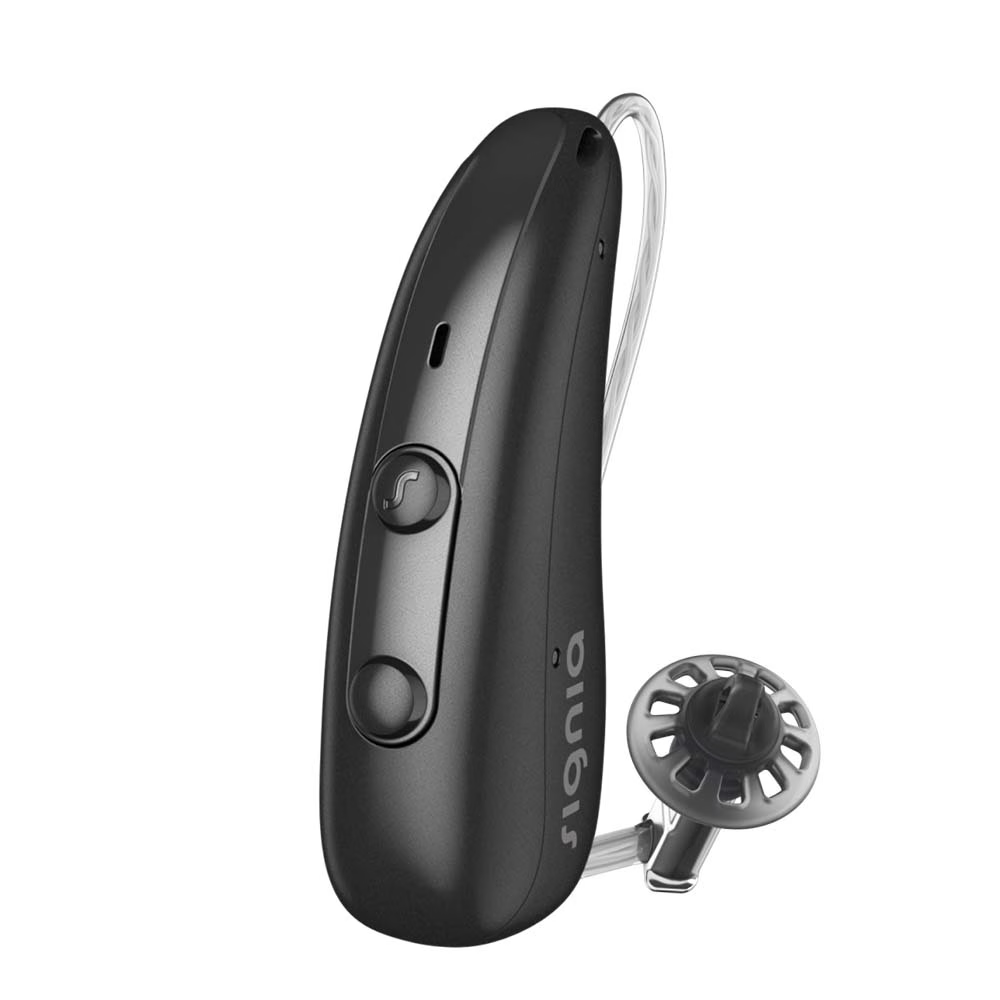
Starkey Muse i2000 £1295 from Hearing First offers next-generation power and precision to enhance clarity in conversations amidst noisy settings while delivering natural sound for music.

Starkey Muse i2000 £1295 from Hearing First

Discover the Starkey Muse i2000 for £1295

When searching for the best price in the UK for the Starkey Muse i2000, look no further than Hearing First.

Our advanced ear-to-ear communication system, Acuity Binaural Imaging, utilises ultra high-definition audio to create a more natural listening experience for users. This innovative technology allows for collaborative decision-making, ensuring that speech clarity is maintained without compromising comfort.

Modern users desire a seamless listening experience in every situation. Our Acuity Lifescape Analyzer, rigorously tested for environmental detection, makes this possible. It categorises sounds into seven distinct classes, allowing it to manage various environments at once while providing our most precise classification and adaptation system to date.

To enhance speech detection in challenging listening situations, Acuity Directionality intelligently adapts to changing environments, prioritising conversations with a speech enhancement of up to 6dB. This feature allows users to better hear and engage in discussions from all directions.

Acuity Voice operates alongside the Acuity Lifescape Analyzer to ensure optimal speech intelligibility. Its dual-layer algorithm employs dynamic voice identification paired with spectral noise control, adjusting gain on a per-channel basis. This results in exceptional sound quality, effortless listening, and improved speech clarity in noisy conditions.

Our highly regarded wireless system, 900sync, enhances communication by streaming a caller’s voice to both ears via our innovative Ear-to-Ear Phone Streaming, simplifying phone conversations significantly.

Key Technological Features of the Starkey Muse i2000

The i2000 model is equipped with:

  • 20 channels and 20 bands
  • Extended bandwidth reaching up to 10kHz
  • Acuity OS
  • 900sync Wireless Technology
  • Wireless Spatial Streaming capabilities
  • Acuity Speech Optimisation – Medium
  • Music Enhancement features, including:
    • Music Adaptation – Level 2
    • Music Memory
    • E2E Music Adaptation – Medium
  • Ear 2 Ear Acuity Binaural Imaging, which includes:
    • E2E Machine Noise Adaptation – Level 2
    • E2E Wind Noise Management – Level 2
    • E2E Directionality
    • E2E Phone Streaming
  • Environment Manager – Acuity Lifescape Analyser, featuring:
    • Music – Level 2
    • Speech – Level 2
    • Speech and Noise – Level 2
    • Machine Noise – Level 2
    • Wind – Level 2
    • Noise – Level 2
    • Quiet – Level 2
  • Directional Processing – Acuity Directionality, which includes:
    • Channels: 20
    • Dynamic – Medium
    • Directional – Medium
    • Adaptive – Medium
  • Noise Control – Acuity Voice, featuring:
    • Noise Reduction Strength – Level 2
  • Whistle-free Feedback Cancellation
  • Speech Shift Frequency Lowering
  • Multiflex Tinnitus Technology
  • SurfLink Wireless Accessories

The Muse utilises Starkey’s revolutionary Synergy platform, the only one featuring quad core twin compressor technology. This advancement allows for unparalleled precision in audibility and the highest optimisation for an enjoyable listening experience. Synergy, combined with Acuity OS, our cutting-edge high-definition operating system, processes speech and music sounds uniquely for the first time, enhancing both speech clarity and music enjoyment across various environments.

Synergy also integrates 900sync Technology, our preferred wireless solution, delivering an exceptional audio experience tailored to assist those with unilateral hearing loss through our innovative Muse CROS System. it enhances phone communication with our new ear-to-ear phone streaming.

The post Starkey Muse i2000 £1295 CIC ITC ITE RIC BTE appeared first on Healthcare Marketing Service.

Categories
Uncategorised

Starkey Muse i2400: CIC, ITC, ITE, RIC, and BTE Options at £1595

Starkey Muse i2400 £1595 from Hearing First brings a new generation of power and precision to hearing aid wearers, making conversation clearer in noisy environments, and music more natural.

Discover the Starkey Muse i2400 for £1595 at Hearing First

Experience the Starkey Muse i2400 for £1595

Starkey has introduced its innovative Muse range of hearing aids, available at the best price in the UK through Hearing First for just £1595. This range includes various styles to suit different preferences, from the discreet yet powerful CIC (completely in the canal), ITC, and ITE custom models to the microRIC 312, miniBTE, and the microRIC 312 AP, which offers up to 70dB of feedback-free amplification. For those seeking maximum discretion, Starkey presents the Soundlens Synergy, the world’s first wireless true iic (invisible in the canal) hearing aid.

The Muse range features three technology levels: i2400, i2000, and i1600. It operates on Starkey’s advanced Synergy technology platform, which is built on a quad-core architecture, offering up to 24 channels and dual compressors for enhanced audio processing.

Each model comes equipped with Starkey’s patent-pending Multiflex Tinnitus technology, designed to provide personalised relief for users suffering from tinnitus.

Advanced Technology Features of the Starkey Muse i2400

The i2400 model is equipped with:

  • 24 channels and 24 bands for precise audio tuning
  • Extended bandwidth reaching up to 10kHz for enhanced sound clarity
  • Acuity OS for superior sound processing
  • 900sync Wireless Technology for seamless connectivity
  • Wireless Spatial Streaming for an immersive listening experience
  • Acuity Speech Optimisation for clearer conversations
  • Music Enhancement features, including:
    • Music Adaptation – Level 4 for optimal sound adjustment
    • Music Memory for personalised audio settings
    • E2E Music Adaptation – Maximum for enhanced music listening
  • Ear 2 Ear Acuity Binaural Imaging, featuring:
    • E2E Machine Noise Adaptation – Level 4 for reduced background noise
    • E2E Wind Noise Management – Level 4 for clear hearing in breezy conditions
    • E2E Directionality for improved sound localisation
    • E2E Phone Streaming for effortless calls
  • Environment Manager – Acuity Lifescape Analyser, which includes:
    • Music – Level 4 for enhanced musical clarity
    • Speech – Level 4 for better conversation understanding
    • Speech and Noise – Level 4 for balanced listening
    • Machine Noise – Level 4 for quieter environments
    • Wind – Level 4 for optimal hearing in gusty conditions
    • Noise – Level 4 for reduced distractions
    • Quiet – Level 4 for peaceful listening
  • Directional Processing – Acuity Directionality, comprising:
    • Channels: 24 for comprehensive sound coverage
    • Dynamic – Maximum for adaptive sound processing
    • Directional – Maximum for focused hearing
    • Adaptive – Maximum for responsive listening
  • Noise Control – Acuity Voice features:
    • Noise Reduction Strength – Level 4 for minimal disruption
  • Whistlefree Feedback Cancellation to eliminate unwanted sounds
  • Speech Shift Frequency Lowering for clearer dialogue
  • Multiflex Tinnitus Technology for tailored support
  • SurfLink Wireless Accessories for enhanced usability

The Muse, powered by Starkey’s new Synergy platform, is the only hearing aid technology featuring quad-core twin compressor technology. This innovation delivers remarkable precision for both audibility and optimisation, ensuring an enjoyable listening experience. Synergy, in conjunction with Acuity OS, Starkey’s new high-definition operating system, allows for unique processing of speech and musical sounds, enhancing both speech clarity and the enjoyment of music across various environments.

Synergy integrates 900sync Technology, a preferred choice among users for its wireless capabilities, offering an exceptional audio experience. This technology is particularly beneficial for those with unilateral hearing loss, thanks to the new Muse CROS System, and it enhances telephone conversations through ear-to-ear phone streaming.

The post Discover the Starkey Muse i2400 for £1595 CIC ITC ITE RIC BTE appeared first on Healthcare Marketing Service.

Categories
Uncategorised

Healthcare Tech Pilots: Your Essential Implementation Guide

Comprehensive Overview of the UK Healthcare System

Exploring the Structure and Function of the NHS

Infographic depicting the NHS structure in the UK, highlighting nodes for England, Scotland, Wales, Northern Ireland, and free healthcare services funded by taxes.

The National Health Service (NHS) in the United Kingdom stands out as one of the most extensive and inclusive public health systems globally. Founded in 1948, the NHS’s primary goal is to provide healthcare services free at the point of delivery, funded mainly through taxation. This extensive organisation includes vital components such as NHS England, NHS Scotland, NHS Wales, and Health and Social Care in Northern Ireland. Each of these devolved administrations is responsible for managing healthcare services, ensuring that care is tailored to the specific needs and preferences of local populations.

For example, NHS England focuses on commissioning and delivering healthcare services throughout England, emphasising primary care through General Practitioners (GPs) and hospitals. Conversely, NHS Scotland operates under a unique framework that prioritises primary care and community health services, addressing the distinct healthcare challenges faced in Scotland. The integration of health and social care is particularly significant in Wales and Northern Ireland, where local governance is pivotal in healthcare delivery, ensuring that services are responsive to community needs.

Gaining a thorough understanding of the NHS’s complex structure is essential for the effective implementation of healthcare technology pilots. Stakeholders must adeptly navigate this intricate landscape, aligning their technological solutions with the NHS’s overarching goals while addressing the requirements of both patients and healthcare professionals. The future of healthcare technology in the UK will depend on how effectively these innovations can adapt to the established frameworks of the NHS.

Comprehending the UK Healthcare Regulatory Framework

Navigating the regulatory environment is critical for the successful implementation of healthcare technology pilots in the UK. Two key regulatory bodies overseeing healthcare technology are the Care Quality Commission (CQC) and the Medicines and Healthcare Products Regulatory Agency (MHRA). The CQC ensures that healthcare providers maintain essential quality and safety standards, directly influencing any technology rollouts within the NHS.

The MHRA plays a pivotal role in regulating medical devices, ensuring their safety for patient care. Compliance with the General Data Protection Regulation (GDPR) is also crucial, particularly concerning patient data. Each healthcare tech pilot must adhere to these regulations to protect patient confidentiality and ensure ethical data usage, which is vital for maintaining public trust.

Stakeholders should also consider the Digital Technology Assessment Criteria (DTAC), which outlines guidelines for assessing the effectiveness and safety of digital health technologies. This framework assists NHS organisations in making informed decisions regarding technology adoption, emphasising the need for strong evidence and patient outcome data to support these advancements.

Understanding these regulatory dimensions can significantly impact the success of healthcare technology pilots, as compliance not only builds trust with stakeholders but also safeguards patient welfare, making regulatory knowledge an indispensable prerequisite for any pilot initiative.

Engaging Stakeholders for Effective Technology Implementation

In the context of the UK healthcare system, engaging stakeholders is vital for the success of any technology pilot initiative. Key stakeholders include healthcare professionals, administrative staff, patients, and policymakers. Effective stakeholder engagement requires an understanding of the diverse perspectives and needs contributed by each group, which is essential for the pilot’s relevance.

Healthcare professionals offer invaluable insights into the practical challenges encountered in daily operations within the NHS. Their involvement from the pilot’s inception ensures that the technology resolves real-world issues, leading to higher acceptance rates among end-users. Engaging patients is equally important; their feedback shapes the development of patient-centric solutions that enhance their care experience and ensure their needs are adequately addressed.

Collaboration with regulatory bodies and local NHS organisations nurtures an environment conducive to innovation. Strategies for stakeholder engagement may include workshops, focus groups, and surveys to collect input and build consensus. By actively involving stakeholders throughout the pilot process—from planning to evaluation—organisations can align their technological solutions with the NHS’s broader objectives, facilitating the smooth implementation and adoption of new technologies.

Discovering Opportunities for Healthcare Technology Pilots

Futuristic healthcare environment with doctors using holographic screens and patients with robotic assistants in a modern hospital.

Conducting a Comprehensive Needs Assessment

Identifying specific healthcare needs is fundamental to the effective implementation of healthcare tech pilots. A thorough needs assessment is crucial for identifying gaps within the current healthcare delivery system, enabling organisations to target their technological solutions effectively. This process typically involves analysing existing patient pathways, reviewing clinical outcomes, and consulting healthcare professionals across various specialties to ensure all needs are recognised.

Engaging with data sources such as Public Health England and local Clinical Commissioning Groups (CCGs) can provide insights into prevalent health issues within specific populations. Techniques such as stakeholder interviews and surveys can help reveal the daily challenges faced by healthcare providers and patients. For example, if a hospital identifies a considerable backlog in appointment scheduling, a technological solution that streamlines booking processes could be developed and piloted to address this issue.

Examining national health priorities, such as the NHS Long Term Plan, can help align tech pilots with broader health initiatives. Understanding local health inequalities is also vital; technology can be tailored to address specific demographic challenges, ensuring that interventions are both relevant and necessary for the communities served.

By conducting a thorough needs assessment, stakeholders not only justify their tech pilot’s existence but also enhance the chances of successful implementation and positive patient outcomes, ultimately driving improvements in healthcare delivery.

Strategically Selecting the Right Technology

Choosing the appropriate technology for healthcare pilots requires a strategic approach that aligns with the identified needs of the NHS. Factors influencing technology selection include the scalability of the solution, interoperability with existing systems, and the potential to enhance patient outcomes and operational efficiencies.

Innovative solutions such as telehealth platforms, electronic health records (EHRs), and patient management systems have shown significant promise in improving healthcare delivery. The chosen technology must also correspond with the digital maturity of the healthcare providers involved. For instance, a solution may function effectively in a technologically advanced trust but may encounter challenges in an environment still reliant on paper-based records.

Collaboration with technology vendors is essential during this phase. Engaging suppliers who understand the unique challenges of the NHS can lead to bespoke solutions that fit seamlessly into existing workflows and enhance operational efficiencies. Pilot technologies must undergo rigorous testing to ensure compliance with regulatory standards before implementation, ensuring patient safety and adherence to regulations.

Ultimately, the goal is to select technology that not only meets immediate needs but also has the potential for long-term integration into broader healthcare practices, ensuring that innovations can evolve alongside the healthcare landscape, driving continuous improvements in patient care.

Conducting In-Depth Feasibility Studies

Team of experts analysing data on a digital screen to assess healthcare technology feasibility.

Conducting feasibility studies is a critical step in the successful implementation of healthcare tech pilots. These studies evaluate the practicality of the proposed technology, informing stakeholders about potential challenges and resource requirements that may arise during implementation.

A well-structured feasibility study typically includes an assessment of technical, economic, legal, operational, and scheduling factors. Technical feasibility evaluates whether the technology can be integrated into existing systems and whether the necessary infrastructure is in place to support its use. Economic feasibility analyses cost implications, considering both short-term investments and long-term savings associated with the technology.

Legal feasibility is crucial, especially in the UK, where compliance with data protection laws like GDPR is essential. Operational feasibility examines whether the pilot aligns with current clinical workflows and whether staff possess the necessary skills to implement and utilise the technology effectively. This ensures that the pilot can be executed smoothly and with minimal disruption to existing services.

Conducting pilot simulations can provide insights into potential operational challenges. Engaging with frontline staff during this phase enables organisations to anticipate hurdles and develop tailored training and support mechanisms, ensuring a smoother transition upon actual implementation. The insights gained from these simulations can be invaluable in fine-tuning the pilot’s approach.

Feasibility studies culminate in a comprehensive report that aids stakeholders in making informed decisions, highlighting the likelihood of success and areas that may require additional consideration before launching the pilot. This thorough analysis is vital for minimising risks and enhancing the chances of successful implementation.

Involving Stakeholders in the Pilot Development Process

As with previous phases, stakeholder engagement remains a central theme when identifying opportunities for healthcare tech pilots. Involving stakeholders not only generates buy-in but also fosters collaboration that enhances the pilot’s relevance and effectiveness in addressing specific healthcare challenges.

Various engagement strategies can be employed, including community consultations, online platforms for feedback, and collaborative workshops. Engaging patients, healthcare professionals, and administrative staff ensures diverse perspectives are considered, ultimately leading to a more comprehensive understanding of the needs that the technology must address.

Building a coalition of supportive stakeholders can facilitate access to resources, funding, and expertise necessary for the pilot’s success. Creating a transparent communication strategy to keep stakeholders informed of developments and gather ongoing feedback during the pilot’s lifecycle is essential. This transparency fosters trust and encourages active participation.

Leveraging existing networks, such as NHS Innovation Hubs, can enhance stakeholder engagement efforts. These hubs can provide invaluable resources and connections to other healthcare entities facing similar challenges. By fostering an inclusive environment, organisations can ensure that the technology developed meets the nuanced needs of the UK healthcare landscape, ultimately improving patient outcomes.

Securing Financial Support and Resources

Exploring Funding Sources for Healthcare Technology Pilots

Securing funding for healthcare tech pilots in the UK can be complex, yet manageable if approached strategically. A variety of funding sources are available, ranging from government grants to private investments and philanthropic contributions. The NHS Innovation and Technology Payment (ITP) programme, for instance, is designed to facilitate the adoption of innovative technologies within the NHS, providing a valuable resource for pilot funding.

Local Clinical Commissioning Groups (CCGs) may also allocate specific funds for innovation within their geographical areas. Engaging with these bodies early in the process can yield insights into available funding streams that align with the proposed pilot’s objectives. Partnerships with academic institutions can unlock access to research grants and collaborative funding opportunities that bolster financial support.

Crowdfunding has also surfaced as a viable option for financing healthcare innovations, allowing organisations to tap into community support for novel technologies. It is essential to maintain transparency and demonstrate the potential value of the technology to attract financial backing from supporters and stakeholders alike.

Ultimately, leveraging a combination of these funding sources can provide the financial stability needed to launch and sustain tech pilots, facilitating the effective implementation of innovative solutions that enhance care delivery and patient outcomes across the NHS.

Strategic Resource Allocation for Successful Pilot Implementation

Resource allocation is critical to ensuring the success of healthcare tech pilots in the UK. It involves determining the necessary human, technological, and financial resources required to implement and sustain the pilot effectively. A thorough assessment of project requirements is essential for understanding the scope and scale of the pilot.

This includes not only financial resources for the technology itself but also personnel needed for training, support, and ongoing evaluation of the pilot’s effectiveness. Engaging with stakeholders to identify existing resource gaps will aid in the efficient distribution of responsibilities and tasks among team members, ensuring that all aspects are covered.

Consideration must also be given to the technological infrastructure required to support the pilot. This may necessitate investment in additional hardware, software, or network capabilities. Ensuring that the selected technology is compatible with existing systems is crucial for a seamless integration process that minimises disruptions.

Creating a clear project timeline that outlines key milestones can help guide resource allocation effectively. Regular reviews of resource usage can identify areas of overspend or underutilisation, enabling adjustments that ensure the pilot remains on track and within budget. This strategic approach to resource management is vital for the pilot’s success.

A well-planned approach to resource allocation not only enhances pilot implementation but also increases the likelihood of achieving desired outcomes, ultimately contributing to the successful adoption of healthcare tech pilots that improve patient care.

Effective Budget Management for Healthcare Technology Initiatives

Effective budget management is integral to the successful implementation of healthcare tech pilots in the UK. A detailed budget should encompass all projected costs associated with the pilot, including technology acquisition, personnel training, marketing, and ongoing maintenance. This comprehensive financial planning is crucial for ensuring that all aspects of the pilot are adequately funded.

Establishing a clear financial plan at the outset provides a roadmap for managing resources throughout the pilot. Regular monitoring of spending against the budget helps identify potential overruns early, allowing for timely adjustments and reallocations as necessary. This proactive approach to budget management mitigates the risk of financial shortfalls that could jeopardise the pilot’s success.

Reporting mechanisms should be established to provide stakeholders with regular updates on financial progress. Transparent communication regarding budget management fosters trust and encourages continued stakeholder engagement and support throughout the pilot’s lifecycle.

Implementing cost-saving measures, such as in-kind contributions from partners or shared services, can also enhance budget management. By being strategic and resourceful, organisations can maximise their funding and achieve significant impact with their technology pilots, ultimately benefiting patient care and healthcare delivery.

Crafting Comprehensive Pilot Proposals

Structuring an Engaging Pilot Proposal

Creating an engaging pilot proposal is essential for securing support and funding for healthcare tech initiatives. A well-structured proposal should begin with an executive summary that succinctly outlines the pilot’s objectives, the technology involved, and the anticipated outcomes, capturing stakeholders’ attention right from the outset.

Following the summary, a detailed description of the identified healthcare needs should be presented, supported by data and evidence highlighting the necessity of the proposed solution. This section is crucial for convincing stakeholders of the pilot’s relevance and potential impact on patient care, ensuring that their concerns are duly addressed.

The proposal should also encompass a comprehensive project plan outlining timelines, milestones, and resource requirements. A clearly defined budget is essential, detailing the financial aspects and highlighting potential funding sources that can be leveraged.

Incorporating an evaluation plan within the proposal is vital. This plan should specify how success will be measured, including key performance indicators (KPIs) and data collection methods. Lastly, a transparent communication strategy outlining how stakeholders will be engaged throughout the pilot enhances the proposal’s credibility and fosters collaborative efforts, ensuring that everyone is aligned with the initiative.

A well-structured proposal serves not only as a roadmap for the pilot but also as a persuasive tool for securing stakeholder buy-in and funding, ultimately increasing the likelihood of successful implementation.

Utilising Data and Evidence to Strengthen Proposals

Incorporating relevant data and evidence into pilot proposals significantly enhances their credibility and impact. Stakeholders are more likely to support initiatives backed by robust data demonstrating the need for change and the effectiveness of the proposed technology in addressing specific healthcare challenges.

Utilising existing research, case studies, and statistical analyses can provide a solid foundation for the proposal. For instance, demonstrating how similar technologies improved patient outcomes in other NHS trusts can lend weight to the proposed pilot, making it more compelling to decision-makers. Presenting data on current challenges faced by healthcare providers within the specific context of the proposed pilot can help clarify the necessity of the intervention and its potential benefits.

Engaging in partnerships with academic institutions can enhance the proposal by integrating empirical research and evaluation methods. These collaborations can provide access to additional data sources and expertise in rigorous evaluation techniques, further strengthening the proposal’s credibility.

Ultimately, the inclusion of data and evidence not only reinforces the rationale for the pilot but also provides a framework for measuring success, ensuring that the initiative remains aligned with the overarching goals of the NHS and contributes positively to patient care.

Navigating Approval Processes for Pilot Projects

Understanding the approval processes for healthcare tech pilots in the UK can be intricate. Each NHS organisation has its protocols, necessitating a thorough understanding of local processes and requirements to ensure a smooth approval journey.

Typically, proposals must undergo a formal review process involving clinical governance committees, finance departments, and potentially external stakeholders. Engaging with these bodies early in the proposal development phase can streamline the approval process, as their feedback can inform the proposal’s content and structure, making it more robust and aligned with organisational goals.

It is essential to prepare for possible challenges during the approval process. This may involve addressing concerns around data privacy, technology integration, and resource allocation. Being proactive and providing comprehensive evidence to support the pilot’s safety, effectiveness, and compliance with regulations can facilitate smoother approvals and build trust with decision-makers.

Maintaining clear communication with stakeholders throughout the approval process is vital. Regular updates and opportunities for feedback can foster a sense of ownership and collaboration, ultimately accelerating the journey from proposal to pilot launch and enhancing stakeholder engagement.

Encouraging Stakeholder Engagement in Proposal Development

As with previous sections, effective stakeholder engagement remains a cornerstone of developing pilot proposals. Involving stakeholders in the proposal process builds support and enriches the proposal with diverse perspectives and insights, which is critical for addressing the multifaceted challenges within the healthcare system.

Collaborating with healthcare professionals, patients, and administrative staff to gather input on the proposal’s content can enhance its relevance and applicability. This collaborative approach fosters trust and demonstrates a commitment to addressing the needs of all parties involved, which is essential for gaining support.

Creating a stakeholder engagement plan outlining how and when stakeholders will be involved can also streamline this process. This plan should include regular meetings, opportunities for feedback, and mechanisms for ongoing communication throughout the pilot’s lifecycle, ensuring stakeholders remain informed and engaged.

Leveraging existing networks, such as NHS Innovation Hubs, can enhance outreach efforts, connecting with a broader audience and fostering collaborative possibilities that benefit the proposal’s success. By prioritising stakeholder engagement, organisations can create pilot proposals that resonate with the needs of the healthcare community, increasing the likelihood of securing approval and funding for their initiatives.

Strategic Budget Planning for Pilot Initiatives

Developing a comprehensive budget plan for healthcare tech pilots is a critical component of ensuring their success. A well-structured budget should encompass all costs associated with the pilot, including technology acquisition, training, staffing, and ongoing operational expenses. This thorough financial planning is essential for ensuring that all aspects of the pilot are adequately funded.

Involving financial experts in the budgeting process can provide a clearer understanding of potential costs and help identify areas where savings can be made. Presenting a detailed budget breakdown to stakeholders enhances transparency and demonstrates responsible financial planning, fostering trust and confidence in the pilot.

Creating a contingency plan within the budget is also essential. This plan should outline how unforeseen costs will be managed, ensuring that the pilot remains financially viable even amid unexpected challenges. A proactive approach to financial management is crucial for minimising risks.

Establishing a clear timeline for expenditures can help manage cash flow effectively. Regular financial reviews and updates can identify any potential budgetary issues early, allowing for timely interventions and adjustments to keep the pilot on track.

A meticulous approach to budget planning not only helps ensure that pilots are financially sustainable but also builds trust with stakeholders, reinforcing the commitment to responsible resource management and the successful implementation of healthcare tech pilots.

Executing Healthcare Pilot Projects Successfully

Essential Project Planning for Effective Implementation

Effective project planning is the cornerstone of successful healthcare tech pilot implementation. A well-considered project plan serves as a roadmap, detailing timelines, milestones, and responsibilities that ensure all team members are aligned towards common goals and objectives.

Kick-off meetings involving all stakeholders set the tone for the project and clarify expectations. These meetings create an opportunity to discuss roles and responsibilities while establishing a collaborative atmosphere that encourages open communication and teamwork throughout the pilot’s lifecycle.

The project plan must also outline strategies for risk management. Identifying potential risks and devising mitigation strategies early in the process can significantly reduce the impact of unforeseen challenges, ensuring that the project remains on track.

Utilising project management tools can enhance planning efforts, enabling teams to track progress, manage timelines, and allocate resources efficiently. Regular status updates and review meetings can keep the project on track, ensuring that any deviations from the plan are addressed promptly and effectively.

Ultimately, a robust project plan lays the groundwork for successful implementation, enhancing the likelihood of achieving desired outcomes in the pilot and positively contributing to patient care.

Ensuring Seamless Technology Integration in Healthcare Settings

Integrating technology into UK healthcare settings presents unique challenges that must be addressed to ensure successful implementation. Achieving seamless integration requires careful consideration of existing workflows, systems, and personnel capabilities, ensuring that the technology complements rather than disrupts current practices.

Collaboration with IT departments is critical during this phase. Engaging technical experts can provide insights into system compatibility, data migration processes, and security considerations, ensuring that the new technology aligns with existing infrastructure and supports operational efficiencies.

Training staff on the new technology is essential for successful integration. Creating tailored training programmes that account for the varying levels of digital literacy among staff will enhance user adoption and confidence in utilising the new systems effectively. Ongoing support mechanisms, such as helplines and user guides, can further bolster this process, ensuring that staff feel adequately supported.

Pilot testing the technology before full-scale implementation can identify potential issues and facilitate troubleshooting, ensuring that the technology operates as intended. Gathering feedback during this phase allows for immediate adjustments, paving the way for a smoother transition when the pilot officially launches.

Overall, successful technology integration hinges on thorough planning, collaboration, and support, ultimately maximising the potential benefits of the pilot and enhancing patient care across the NHS.

Providing Comprehensive Training and Support

Ensuring adequate training and support for pilot project teams is vital to the success of healthcare technology initiatives. A well-structured training programme tailored to the specific needs of users significantly enhances technology adoption rates and overall project success, empowering staff to utilise the new systems effectively.

Training initiatives should commence well before the pilot’s launch. Providing comprehensive onboarding sessions covering both the technical aspects of the technology and its practical application in real-world scenarios will empower staff to utilise the new system effectively and confidently.

Employing a train-the-trainer model can also be beneficial. By equipping a select group of staff members with in-depth knowledge of the technology, they can serve as resources for their colleagues during the pilot, fostering a culture of knowledge sharing and support that enhances the overall implementation process.

Continuous support mechanisms must be established to assist staff throughout the pilot. This might include dedicated helpdesks, online resources, and regular check-ins to address questions or concerns that arise during implementation. Ensuring that staff feel supported will enhance their confidence and encourage successful technology adoption.

By prioritising training and support, organisations can create a positive environment that encourages technology adoption, ultimately leading to improved patient care and pilot success across the healthcare system.

Monitoring and Evaluating Pilot Effectiveness

Monitoring and evaluating pilot projects is essential for assessing their impact and effectiveness in the UK healthcare landscape. Establishing clear metrics for success allows organisations to track progress and identify areas for improvement, ensuring that the pilot aligns with its intended goals and objectives.

Key performance indicators (KPIs) should be defined at the outset of the pilot, aligning with the overall goals of the project. These could encompass patient outcomes, operational efficiencies, and user satisfaction, providing a comprehensive view of the pilot’s success and areas for enhancement.

Data collection methods must be robust and systematic. Employing both qualitative and quantitative approaches can provide a comprehensive view of the pilot’s performance. Surveys, interviews, and focus groups can yield valuable insights from users, while data analytics tools can track quantitative metrics, offering a well-rounded understanding of the pilot’s impact.

Regular evaluation meetings should be scheduled to review findings and discuss progress. These collaborative sessions provide an opportunity to celebrate successes and proactively address challenges, enabling timely interventions as needed to keep the project on track and aligned with its objectives.

Ultimately, a commitment to thorough monitoring and evaluation not only demonstrates accountability but also informs future scaling efforts, ensuring that successful pilots can be replicated across the NHS and contribute positively to patient care.

Engaging Stakeholders Throughout Implementation

Continuous stakeholder engagement during the implementation phase is crucial to the success of healthcare tech pilots. Keeping stakeholders informed and involved fosters a sense of ownership and commitment to the project, ultimately enhancing the likelihood of successful adoption and integration of the technology.

Regular communication updates, such as newsletters and progress reports, can keep stakeholders engaged and informed about key developments. These updates should highlight both achievements and challenges, providing a transparent view of the pilot’s progress and fostering trust among all parties involved.

Encouraging feedback from stakeholders throughout the implementation process not only builds trust but also enables organisations to make real-time adjustments based on user experiences. This iterative approach allows for fine-tuning the technology and its deployment, maximising its effectiveness and ensuring it meets the needs of users and patients.

Organising workshops and focus groups can also facilitate deeper engagement and collaboration. These forums provide opportunities for stakeholders to share their insights and experiences, contributing to a more comprehensive understanding of the pilot’s impact and identifying potential areas for improvement.

By prioritising stakeholder engagement during implementation, organisations can cultivate a supportive environment that enhances the chances of pilot success and paves the way for future innovations in healthcare technology.

Evaluating and Monitoring Pilot Outcomes

Establishing Key Performance Metrics for Evaluation

Establishing key performance indicators (KPIs) is a crucial step in monitoring and evaluating healthcare tech pilots. These metrics provide a quantitative framework for assessing the pilot’s effectiveness and measuring the impact of the technology on patient care and operational efficiencies.

When defining KPIs, it is vital to align them with the overall objectives of the pilot. For example, if the pilot aims to reduce patient wait times, metrics could include average wait time before consultation, patient throughput rates, and patient satisfaction scores, all of which provide valuable insights into the pilot’s success.

Incorporating both short-term and long-term metrics ensures a comprehensive evaluation. Short-term metrics can indicate immediate effects, while long-term metrics assess sustained impacts on patient care and system efficiencies, providing a complete picture of the pilot’s effectiveness.

Engaging stakeholders in discussions about performance metrics can foster a shared understanding of success and facilitate buy-in across the organisation. Regularly reviewing these metrics allows for iterative improvements throughout the pilot, ensuring that goals remain aligned with real-world outcomes and organisational priorities.

Ultimately, a well-defined set of performance metrics not only guides the evaluation process but also provides a basis for decision-making regarding the future of the pilot and its potential for scaling across the NHS.

Implementing Effective Data Collection Strategies

Employing effective data collection methods is vital for successfully evaluating healthcare tech pilots. A combination of qualitative and quantitative approaches provides a comprehensive view of the pilot’s impact and effectiveness, ensuring that all relevant aspects are captured.

Quantitative data can be gathered through various means, such as electronic health records (EHRs), patient surveys, and operational reports. This data helps identify trends and assess performance against the established KPIs, offering valuable insights into the pilot’s outcomes and overall effectiveness.

Qualitative data, conversely, can be sourced through interviews, focus groups, and open-ended survey questions. This type of data captures the experiences and opinions of users, providing context and depth to the quantitative findings, which enhances the overall evaluation process.

Implementing a systematic approach to data collection is essential for ensuring that data is reliable, valid, and ethically gathered. Engaging stakeholders in the data collection process can also enhance participation and trust, encouraging honest feedback and active involvement in the evaluation.

Regularly analysing and synthesising collected data allows organisations to assess the pilot’s performance and identify areas for improvement. This ongoing evaluation fosters a culture of learning and adaptability, ultimately contributing to the pilot’s success and scalability across the healthcare sector.

Effectively Reporting Pilot Results to Stakeholders

Effectively reporting pilot results is critical for communicating the outcomes of healthcare tech initiatives to stakeholders. A well-structured report should include a detailed analysis of the data collected, highlighting key findings and insights gained throughout the pilot’s lifecycle, providing a comprehensive overview for decision-makers.

Clear and concise visualisations, such as charts and graphs, can enhance the presentation of data, making it more accessible and engaging for diverse audiences. Accompanying these visuals with narrative explanations provides context for the findings, aiding in comprehension and interpretation of the results.

When presenting quantitative results, it is vital to include qualitative insights from stakeholders and users. Highlighting personal stories and testimonials can humanise the data and illustrate the real-world impact of the technology on patient care, making the report more relatable and persuasive.

Recommendations for future action should also be included in the report, based on the findings and insights gained from the evaluation process. This forward-looking approach demonstrates a commitment to learning and improvement, fostering continued stakeholder support for future initiatives and enhancing the potential for scaling successful pilot projects.

Ultimately, a comprehensive and well-crafted report serves as a valuable resource for stakeholders and lays the groundwork for the successful scaling and replication of effective healthcare tech pilots across the NHS.

Strategies for Scaling Successful Pilot Projects

Extracting Key Lessons from Pilot Experiences

Identifying key lessons from successful healthcare tech pilots is crucial for informing future scaling efforts. Reflecting on both successes and challenges encountered during the pilot can provide valuable insights into what works and what doesn’t in the context of the NHS, shaping future initiatives.

Conducting post-pilot evaluations that involve all stakeholders allows for a comprehensive analysis of the pilot’s outcomes. This collaborative approach encourages open dialogue, ensuring that diverse perspectives are considered when identifying lessons learned, leading to more informed decision-making in the future.

Key areas of focus during this reflective process include technology usability, training effectiveness, stakeholder engagement, and overall project management. Understanding which factors contributed to success can help organisations replicate these elements in future pilots, while identifying challenges allows for proactive mitigation strategies in subsequent initiatives.

Documenting case studies of successful pilots can serve as powerful tools for sharing lessons learned with other organisations. These case studies can highlight best practices, effective strategies, and potential pitfalls to avoid, contributing to a culture of learning and innovation across the NHS and improving the overall quality of patient care.

By embracing lessons learned from pilot projects, organisations can enhance their capacity for scaling successful initiatives and driving meaningful improvements in patient care across the healthcare system.

Formulating Effective Expansion Strategies

Formulating effective expansion strategies for scaling successful healthcare tech pilots requires a thorough understanding of the pilot’s outcomes and the broader healthcare landscape. A strategic approach considers various factors, including local needs, resource availability, and stakeholder support, which are vital for successful implementation in new settings.

Engaging with stakeholders during the expansion planning phase is essential, ensuring that their insights and concerns inform the scaling strategy. This collaborative approach fosters buy-in and support, which is crucial for successful implementation in new contexts and facilitates smoother transitions.

Identifying potential partners, such as other NHS trusts or community health organisations, can facilitate expansion efforts. Collaborating with these entities allows for resource sharing, knowledge exchange, and enhanced reach, ultimately increasing the impact of the technology and improving patient outcomes.

Developing a phased approach to scaling can mitigate risks associated with larger rollouts. This might involve piloting the technology in smaller settings before expanding to broader populations, allowing organisations to refine their approach based on real-world feedback and ensuring that the technology is ready for wider application.

Ultimately, a well-considered expansion strategy enhances the likelihood of successfully scaling healthcare tech pilots, contributing to improved patient outcomes and operational efficiencies across the NHS and supporting the overall goals of the healthcare system.

Communicating Success and Future Plans to Stakeholders

Communicating pilot success and scaling plans to stakeholders is vital for maintaining support and fostering collaboration. A clear communication strategy that outlines key achievements, lessons learned, and future goals ensures stakeholders remain informed and engaged in ongoing initiatives.

Utilising various communication channels, such as newsletters, presentations, and community meetings, allows for reaching diverse audiences. Tailoring messages to specific stakeholder groups is essential, ensuring that the information resonates with their unique interests and concerns, which can enhance receptivity to future initiatives.

Highlighting patient stories and quantitative outcomes can effectively demonstrate the pilot’s impact, reinforcing the value of continued investment in healthcare technology. These success stories serve as powerful testimonials to the effectiveness of the technology, helping to cultivate ongoing support from both internal and external stakeholders and fostering a culture of innovation.

Regular updates on the scaling process keep stakeholders informed and engaged, fostering a sense of ownership and collaboration. Encouraging feedback and input during this phase demonstrates a commitment to inclusivity and transparency, ultimately enhancing the chances of successfully scaling the pilot and driving improvements in patient care within the NHS.

By prioritising stakeholder communication, organisations can build strong relationships that support the expansion of successful healthcare tech pilots, ultimately driving improvements in patient care within the UK healthcare system.

Addressing Challenges in Healthcare Technology Pilots

Navigating Regulatory Challenges in Implementation

Addressing regulatory challenges is an essential aspect of navigating the implementation of healthcare tech pilots in the UK. The regulatory landscape can be complex, with multiple agencies overseeing various aspects of healthcare technology and ensuring patient safety and compliance.

Understanding the specific regulations applicable to the pilot is crucial. Compliance with Care Quality Commission (CQC) standards, data protection regulations like GDPR, and requirements set forth by the Medicines and Healthcare Products Regulatory Agency (MHRA) is non-negotiable. Failing to adhere to these regulations can lead to significant delays or even the abandonment of the pilot, jeopardising the potential benefits of the technology.

Engaging with regulatory bodies early in the planning process and throughout implementation can help clarify requirements and expectations. Establishing open communication channels allows for ongoing dialogue, enabling organisations to navigate any regulatory hurdles that may arise and ensure compliance is maintained.

Collaborating with legal experts can provide valuable insights into compliance issues and risk management strategies. By proactively addressing regulatory challenges, organisations can ensure a smoother implementation process, ultimately enhancing the likelihood of pilot success and the effective deployment of technology within the healthcare system.

Overcoming Technical Issues During Implementation

Overcoming technical issues is a common challenge faced during healthcare tech pilot implementations. Ensuring that the chosen technology integrates seamlessly with existing systems is critical for facilitating smooth operations and minimising disruptions to patient care.

Conducting thorough testing before the pilot launch can help identify potential technical issues that may arise during implementation. This could involve simulation testing or trial runs that allow stakeholders to experience the technology in action and provide feedback, ensuring that any issues are addressed prior to full rollout.

Engaging IT support from the outset is vital for quickly addressing any technical glitches. Having dedicated technical resources available during implementation can minimise disruptions and enhance user confidence in the new technology, contributing to a successful adoption process.

Creating a troubleshooting guide and providing ongoing support for end-users can help mitigate challenges associated with technology adoption. By being proactive and responsive to technical issues, organisations can foster a positive experience that encourages successful implementation and enhances the overall effectiveness of the pilot.

Ultimately, a commitment to addressing technical challenges enhances the likelihood of pilot success and contributes to the long-term sustainability of the technology within the healthcare system, ensuring that innovations can be effectively utilised to improve patient care.

Implementing Effective Change Management Strategies

Effectively managing change is crucial for ensuring successful outcomes in healthcare tech pilots. The introduction of new technologies can create resistance among staff, making it essential for organisations to implement effective change management strategies that facilitate smooth transitions.

Communicating the rationale behind the pilot and its potential benefits to all stakeholders is vital for fostering buy-in. Highlighting how the technology aligns with the overall goals of the NHS and improves patient care can motivate staff to embrace the changes and actively participate in the pilot.

Involving stakeholders in the planning and implementation phases can also mitigate resistance. By soliciting feedback and encouraging collaboration, organisations can create a sense of ownership among staff, making them more likely to support the pilot and contribute to its success.

Training and support initiatives are critical components of effective change management. Providing comprehensive training ensures staff feel confident using the new technology, while ongoing support mechanisms, such as help desks or peer assistance, can help address concerns as they arise, fostering a supportive environment for technology adoption.

By prioritising change management, organisations can navigate the complexities of implementing new technologies, ultimately enhancing the likelihood of pilot success and achieving meaningful improvements in patient care across the healthcare landscape.

Enhancing Stakeholder Engagement During Implementation

Effective stakeholder engagement remains a key challenge when implementing healthcare tech pilots. Engaging stakeholders throughout the process not only builds trust but also fosters collaboration that enhances the pilot’s relevance and effectiveness in meeting healthcare needs.

Creating a stakeholder engagement plan outlining how and when stakeholders will be involved can streamline this process. This plan should include regular meetings, opportunities for feedback, and mechanisms for ongoing communication throughout the pilot’s lifecycle, ensuring that stakeholders remain informed and engaged.

Understanding the diverse needs and perspectives of stakeholders allows organisations to tailor their engagement strategies effectively. Engaging patients, healthcare professionals, and administrative staff ensures that diverse perspectives are considered, ultimately leading to a more comprehensive understanding of the needs that the technology must address.

Utilising platforms for transparent communication, such as newsletters or digital forums, keeps stakeholders informed and involved, reinforcing a sense of collaboration. Recognising and celebrating stakeholder contributions can foster a supportive environment that enhances the chances of pilot success and encourages ongoing engagement in future initiatives.

Ultimately, prioritising stakeholder engagement throughout the pilot process allows organisations to cultivate strong partnerships that support and enhance healthcare tech initiatives, ultimately benefiting patient care across the NHS.

Addressing Funding Constraints for Innovation

Securing adequate funding for healthcare tech pilots is a challenge that many organisations face. Financial constraints can limit the scope and effectiveness of technology initiatives, making it essential to explore diverse funding options that can support innovation in patient care.

Engaging with local Clinical Commissioning Groups (CCGs), NHS Innovation and Technology Payment (ITP) programmes, and philanthropic contributions can create a multifaceted approach to funding. Understanding the specific interests and priorities of potential funders can help tailor proposals that resonate with their objectives and increase the likelihood of securing necessary financial support.

Leveraging existing resources and partnerships can enhance funding capacity. Collaborating with academic institutions and industry partners can provide access to grants, shared resources, and other financial support that can alleviate funding constraints and support the pilot’s success.

Implementing a phased approach to funding can also mitigate risks. By piloting technology in smaller, manageable phases, organisations can demonstrate effectiveness and build a case for additional funding as they progress through the implementation process, ensuring that financial challenges do not hinder innovation.

Ultimately, a proactive and strategic approach to securing funding can enhance the feasibility and success of healthcare tech pilots, ensuring that financial challenges do not impede the pursuit of innovation in patient care.

Frequently Asked Questions

What is a healthcare tech pilot?

A healthcare tech pilot is a trial project designed to evaluate new technologies in real-world healthcare settings, assessing their effectiveness, feasibility, and impact on patient care and operational efficiency.

Why is stakeholder engagement important in tech pilots?

Stakeholder engagement is crucial as it fosters collaboration, builds trust, and ensures that the technology meets the needs of healthcare professionals and patients, enhancing the likelihood of successful implementation and adoption.

What funding options are available for healthcare tech pilots in the UK?

Funding sources include government grants, NHS Innovation and Technology Payments, private investments, philanthropic contributions, and potential crowdfunding opportunities, offering diverse financial support for innovative initiatives.

What key performance indicators should be measured in a pilot?

KPIs may encompass patient outcomes, operational efficiencies, user satisfaction, and adoption rates, all of which provide insights into the pilot’s effectiveness and impact on healthcare delivery.

How can organisations ensure compliance with regulations during tech pilots?

Organisations can ensure compliance by engaging with regulatory bodies, understanding relevant regulations, and conducting thorough assessments of how the technology aligns with legal requirements, prioritising patient safety.

What is the role of feasibility studies in pilot projects?

Feasibility studies assess the practicality of proposed technology, examining technical, economic, legal, and operational factors to determine whether the pilot is viable in its intended context, ultimately guiding decision-making.

How can organisations manage change during tech implementation?

Effective change management involves clear communication, stakeholder involvement, comprehensive training, and ongoing support, fostering a positive environment for technology adoption and ensuring smooth transitions.

What is the significance of monitoring and evaluation in tech pilots?

Monitoring and evaluation provide a framework for assessing outcomes, informing necessary adjustments, and identifying lessons learned, ensuring that the technology meets its intended goals and continuously improves patient care.

How can successful pilots be scaled effectively?

Scaling successful pilots involves developing strategic expansion plans, engaging stakeholders, identifying potential partners, and conducting phased rollouts to mitigate risks associated with larger implementations.

What challenges do healthcare tech pilots typically encounter?

Common challenges include regulatory hurdles, technical issues, funding constraints, and resistance to change, all of which can impact the pilot’s success if not addressed proactively and strategically.

Originally posted 2025-04-26 10:12:56.

The post Healthcare Tech Pilots: A Comprehensive Implementation Guide appeared first on Healthcare Marketing Service.


Categories
Uncategorised

Hearing Aids: Understanding Analog vs Digital Variations

Exploring Sound Processing Techniques in Hearing Aids

Understanding the Basics of Analog Sound Processing

Close-up of analog hearing aid with visible circuitry, set against a quiet room background.

Analog hearing aids operate by amplifying sound directly, which makes them an essential tool for individuals looking to enhance their hearing experience. These devices primarily concentrate on volume control, yet they do not significantly improve sound clarity. This uncomplicated mechanism can be particularly beneficial for those with mild hearing loss who may not require the advanced features found in modern devices. Having been in use for decades, analog aids provide a reliable solution for users seeking effective amplification of environmental sounds. They deliver consistent amplification across all sound types, which can be especially advantageous in quieter settings. Despite their shortcomings in terms of sound clarity and noise management, their affordability and user-friendliness make them a preferred choice for many users.

Users of analog aids often value the familiar and straightforward design of these devices. Many report high satisfaction levels due to their cost-effectiveness and ease of use. users may encounter difficulties in more complex auditory environments, such as bustling restaurants or vibrant social events, where background noise can easily drown out amplified sounds. The absence of advanced sound processing features can lead to frustration and a less than ideal auditory experience, emphasising the necessity of understanding the inherent limitations of analog technology in diverse listening situations.

Enhancing Hearing Abilities with Digital Sound Processing

Digital hearing aids have transformed the hearing aid market by converting sound waves into digital signals. This sophisticated processing allows for precise adjustments in both clarity and volume, effectively catering to the unique hearing requirements of each user. By using advanced algorithms, digital aids can distinguish between speech sounds and background noise, significantly enriching the listening experience. This feature is particularly beneficial in challenging auditory environments, enabling users to engage in conversations without straining to separate sounds.

One remarkable aspect of digital hearing aids is their capability to process sound in real-time. Users can immerse themselves in a rich auditory landscape that is both clear and comfortable. High-end digital models can even assess their surroundings to automatically adjust settings based on the acoustic conditions of the environment. This level of sophistication is crucial for individuals with moderate to severe hearing loss, allowing them to enjoy a more natural sound quality that enhances social interactions and reduces auditory fatigue.

Sound Quality Comparison: Analog vs. Digital Hearing Aids

The disparity in sound quality between analog and digital hearing aids is significant. Digital aids generally offer superior sound quality alongside improved noise reduction capabilities. Users of digital devices often report a more natural auditory experience, with the ability to filter out unwanted noise while concentrating on desired sounds, such as conversations. This selective amplification can lead to increased satisfaction and enhanced communication during various social interactions.

In contrast, analog aids amplify all sounds uniformly, which can make it difficult for users to distinguish speech from background noise. For example, an individual using an analog hearing aid in a crowded café may struggle to engage in conversation due to the overwhelming noise from chatter and clinking dishes. The ability of digital aids to selectively amplify specific frequencies allows for clearer sound distinctions, proving invaluable in day-to-day communication. With the continuous advancement of digital technologies, sound processing capabilities are improving, ensuring users receive the best possible auditory experiences.

Exploring Customisation Options in Hearing Aids

A close-up of an ear with a modern hearing aid, surrounded by colorful design options in a futuristic setting.

Analog Hearing Aids: Limited Options for Customisation

Customisation options for analog hearing aids are relatively limited. Users typically have the ability to manually adjust the volume, which may meet basic hearing needs but lacks the fine-tuning capabilities available in digital models. This simplicity can appeal to users who prefer a straightforward experience without the complexities of technology. the lack of customisation options may lead to discomfort in varying environments, as users might struggle to adapt their devices to different sound levels and qualities encountered throughout the day.

For individuals with specific hearing loss patterns, such as high-frequency loss, the inability to adjust sound frequencies can be a significant limitation. Analog aids generally do not provide the advanced programming options that digital aids offer. Users might find themselves modifying their listening environments rather than their devices, which can detract from their overall experience. individuals facing more complex hearing challenges may discover that exploring digital options with tailored settings can greatly enhance their auditory experience.

Personalising the Experience with Digital Customisation

Digital hearing aids come equipped with a wide range of customisation features, enabling users to create personalised listening preferences that align with their individual hearing profiles. These devices can be programmed with specific settings designed for various environments, such as quiet rooms, busy streets, or crowded gatherings. Users can access these customised settings through specialised software, providing them the flexibility to adjust their hearing aids to suit their daily activities and unique auditory challenges.

The customisation tools available for digital aids significantly enhance user comfort and satisfaction. By tailoring the audio experience to meet individual needs, users can enjoy a more natural sound environment that facilitates effortless navigation through various auditory challenges. This personalised approach not only encourages more engaging and fulfilling social interactions but also improves overall quality of life. Many digital aids now offer smartphone connectivity, allowing users to make real-time adjustments, thereby enhancing their auditory experience.

Enhancing User Experience Through Tailored Customisation

Person adjusting modern digital hearing aid, surrounded by city street and quiet library, symbolising customisation and control.

The ability to customise digital hearing aids is essential in enhancing the user experience. Many users report that adjusting settings according to their surroundings leads to increased comfort and satisfaction. This level of personalisation empowers users, allowing them to feel more in control of their hearing, alleviating the stress often associated with navigating various listening environments. The freedom to adapt their hearing aids to suit different scenarios enables users to engage more fully in conversations and activities.

The precision offered by digital aids can foster greater confidence in social settings, where hearing difficulties are prevalent. Users can participate in discussions without the constant worry of missing important details. This increased comfort not only enhances their auditory experience but also positively influences their overall well-being. The emphasis on personalisation serves as a significant advantage of digital hearing aids, contributing to a more enjoyable and fulfilling life for individuals with hearing loss.

Advanced Customisation Tools and Software for Hearing Aids

A variety of software tools are available for digital hearing aids, enabling users to make precise adjustments that align with their specific hearing requirements. These tools allow both audiologists and users to programme hearing aids based on individual preferences and types of hearing loss. Software enhancements can include frequency adjustments, noise reduction settings, and specific amplification levels tailored to the user’s environment, ensuring optimal auditory performance.

Modern digital hearing aids often feature companion apps for smartphones, allowing users to control their devices remotely. They can easily adjust volume levels or switch between settings through these apps. Such convenience simplifies the process of adapting to different environments and fosters greater engagement with their hearing aids. With the integration of advanced technology, the customisation process has become increasingly user-friendly, ensuring that individuals can optimise their hearing experience to fit their lifestyles effectively.

Examining Technology and Features in Hearing Aids

Understanding Analog Technology in Hearing Aids

Analog hearing aids operate on simpler technological platforms, which, while effective for a broad range of users, often lack the advanced features that characterise modern hearing aids. Their primary function is to amplify sound, making them a cost-effective option for individuals facing mild to moderate hearing loss. This simplicity comes at the expense of additional features that significantly enhance the listening experience, such as Bluetooth connectivity and sophisticated sound processing algorithms.

The straightforward nature of analog technology may appeal to users who prefer minimal fuss and ease of use. These devices do not require complex programming or intricate adjustments, which can be a considerable advantage for older individuals or those who favour a traditional approach to hearing assistance. The trade-off is that users may miss out on the benefits provided by more advanced hearing technologies, particularly in complex auditory environments. As the demand for feature-rich options increases, many individuals are opting for digital aids to take advantage of the latest advancements in hearing technology.

Maximising Benefits Through Digital Technology in Hearing Aids

Digital hearing aids represent a significant advancement in auditory technology, featuring functionalities that greatly enhance the user experience. These devices employ digital signal processing to deliver clearer sound quality, effective noise reduction, and feedback management. Many digital aids now offer Bluetooth connectivity, enabling users to stream audio directly from their smartphones or other devices, which is particularly beneficial for those who enjoy listening to music or participating in phone calls.

The incorporation of directional microphones within digital aids allows users to focus on sounds coming from specific directions while minimising background noise. This feature is especially advantageous in crowded environments, such as busy restaurants or public transport, where distinguishing speech from surrounding noise can be challenging. The continuous evolution of digital hearing aids ensures that users can expect ongoing improvements in features and functionalities, keeping them at the forefront of hearing technology.

Envisioning Future Trends in Hearing Aid Technology

The future of hearing aid technology is promising, with digital devices expected to evolve further through ongoing research and development efforts. Emerging technologies, including artificial intelligence and machine learning, are set to revolutionise the hearing aid experience, potentially leading to even more personalised listening experiences where devices learn users’ preferences and automatically adjust settings based on their environments.

The integration of telehealth services within hearing care represents another exciting trend on the horizon. Remote programming and adjustments can enable audiologists to fine-tune settings from a distance, providing users with enhanced convenience and accessibility. As digital hearing aids continue to adapt to the evolving needs of users, they are likely to become increasingly sophisticated, ensuring that individuals with hearing loss enjoy the best auditory experience possible.

Understanding Maintenance and Durability in Hearing Aids

Maintenance Requirements for Analog Hearing Aids

In terms of maintenance, analog hearing aids generally require less technical upkeep compared to their digital counterparts. Users often find that they need to make occasional volume adjustments, but overall, the simplicity of their technology means fewer components to manage. This straightforwardness can be appealing for users seeking a device that is easy to maintain without the necessity for regular software updates.

While analog aids may demand less technical maintenance, they often require more frequent adjustments to ensure optimal performance. Users might need to visit audiologists for fine-tuning or repairs, as wear and tear can affect amplification quality over time. The durability of analog aids tends to be lower than that of digital aids, as the technology does not benefit from the more robust materials and design enhancements seen in newer models.

Maintenance Considerations for Digital Hearing Aids

Digital hearing aids, while generally more durable, require regular software updates and maintenance to function optimally. This includes periodic checks and adjustments performed by audiologists to refine settings and ensure the technology operates efficiently. The advanced features of digital devices, such as noise reduction and feedback cancellation, may also necessitate updates to maintain their peak performance.

Despite the need for more frequent technical maintenance, many users find that the advantages of digital aids far outweigh the upkeep demands. Their increased reliability and longevity often make them a worthwhile investment. With proper care and routine check-ups, digital hearing aids can provide users with years of enhanced hearing experiences, proving to be a durable choice for those experiencing hearing loss.

Evaluating the Cost of Hearing Aid Maintenance

The cost of maintenance for hearing aids can vary significantly between analog and digital devices. Analog aids typically have lower initial costs and minimal ongoing expenses, making them an attractive option for budget-conscious individuals. the frequent adjustments required may ultimately lead to increased long-term costs, as users will need to make regular visits to audiologists for maintenance and fine-tuning.

Conversely, digital hearing aids generally feature higher initial prices and may involve more considerable ongoing costs due to software updates and potential repairs. Nevertheless, the advanced features and benefits they offer often justify the investment for users facing more complex hearing challenges. When considering the cost of maintenance, individuals must weigh both the financial implications and the overall improvements in quality of life that hearing aids can provide.

Assessing Power and Battery Life in Hearing Aids

Power Consumption in Analog Hearing Aids

Analog hearing aids typically consume less power than digital models, resulting in extended battery life. This energy efficiency can be particularly advantageous for users who prefer to avoid the hassle associated with frequent battery replacements. The straightforward operation of analog devices allows users to rely on them for longer periods before needing to change batteries, thus enhancing the overall user experience.

While the extended battery life is a significant advantage, it is essential to recognise that the sound processing capabilities of analog aids are limited. Users may find themselves sacrificing sound quality and advanced features in favour of longevity. This trade-off highlights the importance of understanding personal hearing needs and how they align with available technology choices.

Power Usage in Digital Hearing Aids

Digital hearing aids typically consume more power due to their advanced processing capabilities and features. As a result, users may have to change batteries more frequently compared to analog aids. Although this increased power consumption may be perceived as a drawback, many digital hearing aids now incorporate rechargeable batteries, providing a convenient solution that eliminates the need for regular battery changes.

The shift towards rechargeable technology not only addresses the power consumption issue but also enhances user convenience. Many users appreciate the ability to charge their hearing aids overnight, ensuring they are ready for the day ahead. Overall, advancements in battery technology are consistently improving the power efficiency of digital devices, helping to alleviate concerns related to battery life.

Innovations in Battery Technology for Hearing Aids

Battery technology is undergoing significant evolution, with improvements expected to benefit both analog and digital hearing aids. New developments in battery efficiency and longevity are set to enhance the overall performance of hearing aids, allowing users to enjoy longer durations of use without the need for frequent replacements. These advancements will cater to the growing demand for more reliable and user-friendly hearing solutions.

Innovations such as lithium-ion batteries are becoming increasingly common in digital aids, offering users greater convenience and efficiency. The trend towards rechargeable options is likely to shape the future of hearing aids, allowing for fewer concerns regarding battery changes and enhancing the overall user experience. As technology continues to advance, the benefits of improved battery technology will play a critical role in defining the next generation of hearing aids.

Accessibility and Affordability of Hearing Aids

The Cost-Effectiveness of Analog Hearing Aids

Analog hearing aids are often more affordable and widely available, making them suitable for individuals with basic hearing needs. Their lower price point makes them an attractive option for those who may not have the financial means to invest in more technologically advanced devices. This accessibility allows individuals from various economic backgrounds to obtain the hearing assistance they require without incurring significant expenses.

While analog aids serve as a budget-friendly solution, their limited features may not adequately meet the needs of users with more complex hearing loss. Individuals requiring advanced functionality may ultimately find greater benefit in investing in digital aids, despite the higher initial costs. The affordability of analog devices underscores the importance of evaluating personal hearing needs against long-term benefits versus upfront expenses.

Digital Hearing Aids: Accessibility and Investment

While digital hearing aids typically come with a higher price tag, they offer advanced features that are crucial for managing complex hearing loss. Their ability to deliver superior sound quality, effective noise reduction, and extensive customisation options can significantly enhance the lives of users with moderate to severe hearing challenges. Investing in digital aids can lead to improved social interactions and overall quality of life for many individuals.

Despite their higher costs, numerous manufacturers and organisations provide financing options and assistance programmes to facilitate access to the technology individuals need. As technology continues to evolve, the prices of digital aids may decrease, making them more accessible to a broader population. This shift towards affordability in digital hearing aids is essential for ensuring that everyone has the opportunity to experience enhanced hearing capabilities.

Financial Considerations When Choosing Hearing Aids

Choosing between analog and digital hearing aids often depends on budget considerations and the severity of hearing loss. Individuals with mild hearing loss may find analog aids sufficient for their needs, while those facing more complex challenges might benefit significantly from the advanced features offered by digital aids, justifying the higher investment. Users must carefully assess their financial situations in relation to their hearing requirements to make an informed choice.

It is crucial to consider the ongoing costs associated with hearing aids, such as maintenance, battery replacements, and necessary adjustments. While analog aids may have lower upfront costs, the cumulative ongoing expenses can add up over time. The decision between analog and digital aids should take into account both immediate financial implications and long-term quality of life improvements to ensure the best auditory experience possible.

User Feedback and Satisfaction with Hearing Aids

Insights from Users of Analog Hearing Aids

Users of analog hearing aids frequently express satisfaction stemming from the simplicity and cost-effectiveness of these devices. Many appreciate the straightforward operation that does not require technical knowledge or complicated settings. For individuals who prefer a no-frills approach to hearing assistance, analog aids provide a familiar and effective solution that meets their basic needs.

Feedback from users also highlights several limitations. Many individuals experience frustration in noisy environments where background noise can interfere with their ability to hear conversations clearly. While analog aids serve well for basic amplification, those who require more sophisticated sound management may find themselves leaning towards digital options as their hearing needs evolve. This dichotomy emphasises the significance of individual assessment in selecting the most appropriate hearing aids.

Experiences of Users with Digital Hearing Aids

Users of digital hearing aids often express appreciation for the advanced features and extensive customisation options available to them. The ability to adjust settings according to specific listening environments greatly enhances user satisfaction. Many individuals report feeling more confident in social situations, where clear communication is crucial, thanks to the superior sound quality and effective noise reduction capabilities of digital aids.

Feedback from users also highlights the learning curve associated with digital devices. Some may initially feel overwhelmed by the technology; however, they often discover that the benefits far outweigh the initial challenges. The overall trend indicates an increase in satisfaction with digital aids as users become more accustomed to their features and functionalities. This growing trend reflects a broader recognition of the importance of tailored hearing solutions in enhancing quality of life.

Trends in Overall Satisfaction with Hearing Aids

There is a noticeable shift towards digital hearing aids, driven by their enhanced capabilities and user satisfaction. As more individuals become aware of the advantages of advanced technology, they are increasingly opting for digital solutions. This trend is not solely due to superior sound quality and customisation options but also reflects the improved functionality that digital aids offer in various listening environments.

The ongoing evolution of digital technology, including the integration of artificial intelligence and telehealth services, continues to positively shape user experiences. As individuals explore the benefits of digital aids, many report significant improvements in their overall hearing satisfaction, emphasising the importance of staying updated with technological advancements.

Comparative Feedback on Analog and Digital Hearing Aids

Users frequently compare the reliability and ease of use of analog aids with the technological advantages and learning curve associated with digital aids. Many appreciate the straightforward nature of analog technology, particularly for addressing basic hearing needs. As users’ hearing challenges become more pronounced, they may find themselves drawn to digital aids for their comprehensive features and adaptability.

The feedback illustrates an ongoing dialogue between simplicity and advanced functionality. While analog aids remain a viable option for some, digital aids are increasingly favoured for their ability to offer tailored solutions that cater to complex hearing requirements. This ongoing evolution in user preferences underscores the importance of understanding the diverse needs of individuals with hearing loss.

Frequently Asked Questions About Hearing Aids

What sets analog hearing aids apart from digital models?

The primary difference lies in sound processing: analog aids amplify sound directly, whereas digital aids convert sound into digital signals for precise adjustments in clarity and volume.

Which type of hearing aid is better at managing background noise?

Digital hearing aids are generally more effective in handling background noise due to their advanced sound processing capabilities, allowing users to focus on specific sounds.

Are analog hearing aids more budget-friendly than digital models?

Yes, analog hearing aids usually have lower initial costs, but they may lack advanced features and require more frequent adjustments, impacting long-term expenses.

How often should I replace the batteries in my hearing aids?

The frequency of battery changes varies; analog aids typically have longer battery life, while digital aids may require more frequent changes due to their power consumption.

Can I adjust my digital hearing aids to meet my needs?

Absolutely, digital hearing aids offer extensive customisation options, allowing users to programme settings based on their specific listening environments and preferences.

What features are commonly found in digital hearing aids?

Digital hearing aids often include features such as Bluetooth connectivity, directional microphones, and advanced noise reduction capabilities that enhance user experience.

Is a consultation necessary to obtain hearing aids?

Yes, a consultation with an audiologist is typically recommended to determine the most suitable hearing aid for your specific needs.

What is the typical lifespan of hearing aids?

On average, hearing aids can last approximately 3 to 5 years, but this lifespan can vary depending on the type of device and how well it is maintained.

Are rechargeable hearing aids a good investment?

Yes, rechargeable hearing aids can provide convenience by eliminating the need for frequent battery changes, making them a popular choice among users.

What steps can I take to enhance my hearing aid experience?

Regular maintenance, proper fitting, and utilising customisation options can significantly improve your overall hearing aid experience.

Follow our updates on X!

The post Analog vs. Digital Hearing Aids: Key Differences Explained appeared first on The Microsuction Ear Wax Removal Network.

Originally posted 2025-04-28 03:12:31.

The post Hearing Aids: Key Differences Between Analog and Digital appeared first on Healthcare Marketing Service.

Categories
Uncategorised

Hearing Aids: Top 5 Features Including Bluetooth and AuraCast

Last Updated on 15/05/2026 by Dane Lozano

The leading hearing aids in the UK for 2026 offer much more than basic sound amplification. Key factors now include battery longevity, quality of Bluetooth streaming, discreet design, and compatibility with Auracast for next-gen public audio streaming. Brands such as Signia, Rexton, Widex, Oticon, and Starkey are at the forefront, offering advanced rechargeable and AI-enhanced models. Recent reviews from UK audiologists particularly emphasise the growth of Auracast-compatible devices and the popularity of discreet rechargeable in-ear designs.

1. Top Choice Hearing Aid

– Signia Pure Charge&Go IX

The Signia IX platform represents the most well-rounded premium hearing aid currently available in the UK. It excels in clarity during conversations in noisy environments, offers robust Bluetooth streaming, boasts impressive battery longevity, and features superior app controls. The Integrated Xperience platform is particularly beneficial for individuals who frequently alternate between conversations.

2. Most Discreet Hearing Aid

– Signia Silk IX Charge&Go

This model is among the smallest rechargeable in-ear hearing aids equipped with Bluetooth technology, designed for a nearly invisible fit.

It is one of the very few truly discreet rechargeable CIC-style hearing aids currently on the market in the UK. This device caters to users seeking unobtrusive hearing assistance without compromising on modern streaming capabilities and rechargeability.

3. Best Hearing Aid for Authentic Sound Quality

– Widex Allure 440

This premium rechargeable hearing aid is celebrated for its remarkably natural sound quality and minimal processing delay.

Widex consistently appeals to audiophiles and individuals sensitive to unnatural sound processing. The SmartRIC redesign enhances both microphone placement and battery performance.

4. Leading Hearing Aid for Auracast Compatibility

– Starkey Omega AI 24

The Omega AI 24 represents Starkey’s premier hearing aid technology. It features unique DNN 360 directionality, providing superior speech comprehension in noisy environments, enhanced spatial awareness, and the highest level of automatic sound adjustment. This model is perfect for active individuals who frequently find themselves in restaurants, social events, meetings, or bustling public spaces.

5. Best Hearing Aid Featuring Brain-Led AI Technology

– Oticon Intent 1

Oticon Intent stands out as one of the most intelligent hearing aids available, employing 4D sensors that respond to movement, listening intentions, and conversation dynamics in real time. Reviewers in the UK consistently rate it among the best premium hearing aids of 2026.

Signia Pure Charge and Go IX Signia Silk Charge & Go IX Widex Allure RIC 440 Starkey Omega AI 24 Oticon Intent 1
Style RIC (Receiver-in-Canal) CIC / Invisible-in-ear RIC Custom rechargeable miniRITE
Rechargeable Yes Yes Yes Yes Yes
Bluetooth Streaming Excellent Limited compared to RIC models Excellent Excellent Excellent
Auracast / LE Audio LE Audio-ready Limited future support Anticipated future support Strong early support LE Audio capable
Best Strength Group conversation clarity Discreet design Exceptional natural sound quality AI and smart features Adaptive listening technology
Speech in Noise Excellent Very good Good to Very Good Excellent Excellent
Music Quality Very Good Good Excellent Very Good Very Good
Visibility Low-profile Nearly invisible Moderate Custom/invisible Moderate
Battery Life Up to a full day+ Full day Full day Excellent Excellent
App Experience Outstanding Signia app Signia app Widex app Starkey app with wellness features Oticon Companion app
Best For Dynamic social settings Users seeking invisible aids Music enthusiasts and natural sound Tech-savvy users Complex listening environments
Hearing Loss Range Mild to Profound Mild to Moderate Mild to Profound Mild to Severe Mild to Profound
Key Differentiator RealTime Conversation Enhancement Smallest rechargeable Signia model Widex PureSound processing AI health and environmental features 4D user-intent sensors

The Signia Pure Charge&Go IX likely offers the best overall balance for the majority of UK users, especially those prioritising speech clarity in social settings such as restaurants and meetings. For those who favour music and authentic sound reproduction, the Widex Allure 440 is an excellent choice. The Signia Silk IX is perfect for those who value cosmetic invisibility. The Starkey Omega AI 24 excels for users desiring AI-driven wellness and forward-thinking connectivity, while the Oticon Intent 1 is a leader in adaptive environmental processing, thanks to its motion and conversation sensors.

The post Top 5 Hearing Aids by Feature – Bluetooth, AuraCast, and More appeared first on The Microsuction Ear Wax Removal Network.

Categories
Uncategorised

Starkey Muse Launches in the UK Market

Starkey Muse from Hearing First introduces a new era of power and precision for hearing aid users, enhancing clarity in conversations amidst background noise and delivering a more natural music experience.

Starkey Muse from Hearing First

Discover the Newly Launched Starkey Muse Hearing Aids in the UK

Starkey has unveiled its latest Muse range of hearing aids, designed to cater to a variety of needs and preferences. The range includes styles such as the discreet yet powerful CIC (completely in the canal), ITC, and ITE custom hearing aids. users can choose from the microRIC 312, miniBTE, and the microRIC 312 AP, all offering up to 70dB of feedback-free amplification. For those prioritising discretion, Starkey introduces the Soundlens Synergy, the world’s first wireless true iic (invisible in the canal) hearing aid.

The Muse series is available in three technology levels: i2400, i2000, and i1600. These devices are powered by Starkey’s innovative Synergy technology platform, which boasts a quad-core architecture capable of supporting up to 24 channels and twin compressors.

Each model in the Muse range comes equipped with Starkey’s patent-pending Multiflex Tinnitus technology. This feature integrates personalisation with flexibility, providing essential relief for wearers suffering from tinnitus.

With the introduction of Starkey’s cutting-edge Synergy platform, Muse stands out as the only platform utilising quad-core twin compressor technology. This advancement delivers unparalleled precision for audibility and optimises listening enjoyment. The Synergy platform, paired with Acuity OS, Starkey’s new high-definition operating system, allows for unique processing of speech and music. This innovation significantly enhances speech audibility and the overall listening experience in various environments.

Synergy also features 900sync Technology, which is favoured by patients for its wireless capabilities, ensuring a pristine audio experience. This technology is particularly beneficial for those with unilateral hearing loss, facilitated by the new Muse CROS System. it enhances phone conversations through the introduction of ear-to-ear phone streaming.

To learn more about the Starkey Muse range, explore the following links:

Discover Starkey Muse i2400

Discover Starkey Muse i2000

Categories
Uncategorised

Starkey Muse i2400: CIC, ITC, ITE, RIC, BTE for £1595

Starkey Muse i2400 £1595 from Hearing First delivers a new era of power and precision for hearing aid users, enhancing conversation clarity in challenging environments and offering a more natural music experience.

Starkey Muse i2400 £1595 from Hearing First

Discover the Starkey Muse i2400 at £1595

Starkey has unveiled its innovative Muse range of hearing aids, with the most competitive price in the UK available at Hearing First for just £1595. This range features a variety of styles, from the discreet yet powerful CIC (completely in the canal) to ITC and ITE custom designs, as well as options like the microRIC 312, miniBTE, and microRIC 312 AP, boasting up to 70dB of feedback-free amplification. For those prioritising discretion, Starkey presents the Soundlens Synergy, the world’s first wireless true iic (invisible in the canal) hearing aid.

The Muse range offers three technology levels: i2400, i2000, and i1600, all powered by Starkey’s advanced Synergy technology platform. This platform features a quad-core architecture with the capability of up to 24 channels and twin compressors.

Each model incorporates Starkey’s innovative patent-pending Multiflex Tinnitus technology, which merges personalisation with adaptability to provide relief for individuals experiencing tinnitus.

Key Features of the Starkey Muse i2400 Technology

The i2400 model is equipped with an impressive array of features, including:

  • 24 channels and 24 bands for precise sound processing
  • Extended bandwidth reaching up to 10kHz
  • Acuity OS for enhanced performance
  • 900sync Wireless Technology for seamless connectivity
  • Wireless Spatial Streaming for an immersive audio experience
  • Acuity Speech Optimisation for clearer communication
  • Music Enhancement, which includes
    • Music Adaptation – Level 4 for tailored sound adjustments
    • Music Memory for storing preferred settings
    • E2E Music Adaptation – Maximum for superior musical clarity
  • Ear 2 Ear Acuity Binaural Imaging, featuring
    • E2E Machine Noise Adaptation – Level 4 to minimise background disruptions
    • E2E Wind Noise Management – Level 4 for outdoor clarity
    • E2E Directionality for focused listening
    • E2E Phone Streaming for clearer calls
  • Environment Manager – Acuity Lifescape Analyser, which includes
    • Music – Level 4 for optimal listening
    • Speech – Level 4 for improved clarity in conversation
    • Speech and Noise – Level 4 for enhanced understanding in noisy environments
    • Machine Noise – Level 4 for reduced auditory interference
    • Wind – Level 4 for outdoor comfort
    • Noise – Level 4 for overall sound management
    • Quiet – Level 4 for peaceful moments
  • Directional Processing – Acuity Directionality, offering
    • Channels: 24 for comprehensive sound capture
    • Dynamic – Maximum for adaptable performance
    • Directional – Maximum for focused hearing
    • Adaptive – Maximum for personalised sound experiences
  • Noise Control – Acuity Voice, featuring
    • Noise Reduction Strength – Level 4 for minimal distractions
  • Whistlefree Feedback Cancellation to ensure a smooth listening experience
  • Speech Shift Frequency Lowering for better speech perception
  • Multiflex Tinnitus Technology for effective tinnitus management
  • SurfLink Wireless Accessories for added convenience

The Muse range, powered by Starkey’s cutting-edge Synergy platform, stands out as the only system featuring quad-core twin compressor technology. This innovation delivers exceptional precision for audibility and optimises listening enjoyment to an unprecedented level. The combination of Synergy with Acuity OS allows for the unique processing of speech and music, enhancing both clarity and enjoyment in various settings.

Synergy incorporates 900sync Technology, a wireless solution favoured by users, which provides a pristine audio experience. This technology is particularly beneficial for those with unilateral hearing loss, thanks to the new Muse CROS System, and it enhances phone conversations through ear-to-ear phone streaming.

Categories
Uncategorised

Starkey Muse i2000 Hearing Aids: CIC, ITC, ITE, RIC, BTE Options

Starkey Muse i2000 £1295 from Hearing First offers a revolutionary blend of power and precision for hearing aid users, enhancing clarity in conversations even in noisy environments, and delivering a more natural sound for music.

Starkey Muse i2000 £1295 from Hearing First

Discover the Starkey Muse i2000 at £1295

If you search around, you will find that Hearing First offers the most competitive price in the UK for the Starkey Muse i2000.

Our innovative Acuity Binaural Imaging technology sets a new benchmark in ear-to-ear communication, delivering ultra high-definition audio for a more natural listening experience. This technology ensures that speech is clear while maintaining comfort through collaborative decision-making.

Modern users expect to enjoy sound in every environment. Our Acuity Lifescape Analyzer, the most extensively tested environmental detection system, makes this possible. It categorises sound into seven classes, allowing it to manage various environments simultaneously while providing the most sophisticated and accurate adaptation system available.

To enhance speech detection in challenging listening situations, Acuity Directionality is intelligently personalised. It constantly adjusts across all channels, prioritising conversations with up to 6dB of speech enhancement, enabling users to hear and engage in discussions from all directions.

Acuity Voice operates alongside the Acuity Lifescape Analyzer to ensure optimal speech clarity. Its dual algorithm employs dynamic voice identification and spectral noise control, adjusting gain on a per-channel basis, resulting in unparalleled sound quality, ease of listening, and intelligibility of speech even in noisy settings.

Our highly regarded wireless system, 900sync, streams a caller’s voice to both ears through our new Ear-to-Ear Phone Streaming feature, simplifying phone conversations like never before.

Advanced Technologies in the Starkey Muse i2000

The i2000 model includes:

  • 20 channels and 20 bands
  • Extended bandwidth reaching up to 10kHz
  • Acuity OS
  • 900sync Wireless Technology
  • Wireless Spatial Streaming
  • Acuity Speech Optimisation – Medium
  • Music Enhancement, featuring
    • Music Adaptation – Level 2
    • Music Memory
    • E2E Music Adaptation – Medium
  • Ear to Ear Acuity Binaural Imaging, which includes
    • E2E Machine Noise Adaptation – Level 2
    • E2E Wind Noise Management – Level 2
    • E2E Directionality
    • E2E Phone Streaming
  • Environmental Management – Acuity Lifescape Analyzer, offering
    • Music – Level 2
    • Speech – Level 2
    • Speech and Noise – Level 2
    • Machine Noise – Level 2
    • Wind – Level 2
    • Noise – Level 2
    • Quiet – Level 2
  • Directional Processing – Acuity Directionality, incorporating
    • Channels: 20
    • Dynamic – Medium
    • Directional – Medium
    • Adaptive – Medium
  • Noise Control – Acuity Voice
    • Noise Reduction Strength – Level 2
  • Whistlefree Feedback Cancellation
  • Speech Shift Frequency Lowering
  • Multiflex Tinnitus Technology
  • SurfLink Wireless Accessories

Muse, powered by Starkey’s innovative Synergy platform, is unique in featuring quad core twin compressor technology. This advancement delivers exceptional precision for audibility and optimises listening pleasure. The combination of Synergy with Acuity OS, our advanced high-definition operating system, allows for the unprecedented processing of speech and music, significantly enhancing speech clarity and musical enjoyment across various environments.

Synergy also features 900sync Technology, our preferred wireless solution, providing an outstanding audio experience. This technology is designed to assist individuals with unilateral hearing loss through the new Muse CROS System, and it enhances phone conversations with our innovative ear-to-ear phone streaming.

Categories
Uncategorised

Starkey Soundlens i2400 Synergy for £2195

Discover the Starkey SoundLens Synergy i2400 Hearing Aids

Starkey Soundlens Synergy From Hearing First - the world's smallest truly invisible in the canal hearing aid - now available with wireless technology.

Starkey SoundLens Synergy From Hearing First

The Starkey SoundLens Synergy i2400, available from Hearing First, represents the pinnacle of invisible hearing aid technology. Each device is custom-fitted to accommodate your unique ear canal shape, ensuring a snug and discreet fit deep within your ear. This means that only you will be aware of their presence. Despite their tiny size, the SoundLens Synergy is equipped with cutting-edge technology, making them the first and most sought-after custom-fit Invisible-in-the-Canal (IIC) hearing aids on the market today.

  • Enjoy an Invisible, Custom-Fit Experience

    These hearing aids sit comfortably within your ear canal and are tailored specifically to your needs for all-day comfort.

    Starkey is renowned for producing the smallest, truly invisible in-the-canal hearing aids. With the latest wireless technology and an enhanced platform, the SoundLens Synergy i2400 stands as the most advanced choice available.

  • Seamlessly Adjust to New Sounds

    Our innovative feature facilitates your adjustment to hearing aids by gradually modifying settings, helping your brain acclimatise to new sounds.

  • Enhanced Wireless Streaming Capabilities

    This technology ensures reliable wireless performance while streaming television shows, music, and other media with SurfLink® Mobile 2 and a variety of SurfLink accessories.

  • Experience Comfort and Personalisation in Listening

    Our sound comfort technology is crafted to offer distortion-free listening satisfaction for louder sounds while guaranteeing clarity for softer sounds.

  • Say Goodbye to Buzzing and Whistling Noises

    Our state-of-the-art feedback cancellation system ensures you can enjoy feedback-free listening throughout the day.

  • Experience Music as It Was Meant to Be Heard

    These hearing aids are designed to allow you to appreciate music in an entirely new light. Hear every note as the artist intended, with pristine sound quality.

  • Personalise Your Tinnitus Relief

    The advanced Multiflex Tinnitus Technology built into the hearing aids provides relief for those experiencing ringing in the ears.

Advanced Technology Features of the Starkey SoundLens Synergy i2400

The i2400 model is equipped with a variety of impressive features, including:

  • 24 channels and 24 bands for optimal sound processing
  • Extended bandwidth reaching up to 10kHz for enhanced audio clarity
  • Acuity OS for superior sound performance
  • 900sync Wireless Technology for seamless connectivity
  • Wireless Spatial Streaming for an immersive audio experience
  • Acuity Speech Optimisation for crystal-clear speech clarity
  • Music Enhancement features, including
    • Music Adaptation – Level 4 for tailored listening
    • Music Memory for remembering your preferences
    • E2E Music Adaptation – Maximum for enhanced music enjoyment
  • Ear 2 Ear Acuity Binaural Imaging, featuring
    • E2E Machine Noise Adaptation – Level 4 for reducing background noise
    • E2E Wind Noise Management – Level 4 for clearer outdoor listening
    • E2E Directionality for focused sound from specific locations
    • E2E Phone Streaming for hands-free calls
  • Environment Manager – Acuity Lifescape Analyser, which includes
    • Music – Level 4 for enhanced musical experiences
    • Speech – Level 4 for improved conversation clarity
    • Speech and Noise – Level 4 for balanced sound in challenging environments
    • Machine Noise – Level 4 to minimise distraction from machinery
    • Wind – Level 4 for stable performance in breezy conditions
    • Noise – Level 4 for effective management of background sounds
    • Quiet – Level 4 for optimal listening in silence
  • Noise Control – Acuity Voice
    • Noise Reduction Strength – Level 4 for significant sound clarity
  • Whistle-free Feedback Cancellation for uninterrupted listening
  • Speech Shift Frequency Lowering for improved speech recognition
  • Multiflex Tinnitus Technology for tailored tinnitus support
  • SurfLink Wireless Accessories for enhanced connectivity options

Categories
Uncategorised

Healthcare Tech Upgrades for Effective NHS Implementation

Thorough Assessment of NHS Technology Infrastructure

Executing Comprehensive Technology Audits

Conducting detailed evaluations of the existing NHS technology systems is essential for pinpointing obsolete equipment and the inefficiencies affecting hospitals and clinics across the United Kingdom. These extensive audits should thoroughly assess the functionality of the technology currently in use, ensuring compliance with national standards and alignment with the priorities of patient care. By engaging with the technology that supports healthcare delivery, stakeholders can gain valuable insights into necessary upgrades. Special focus should be placed on the age of equipment, current software versions, and whether existing systems can accommodate modern interoperability requirements.

Audits must include an evaluation of the current performance metrics, revealing significant gaps in service delivery and patient outcomes. Recognising these deficiencies provides a foundation for prioritising upgrades that promise the most substantial improvements in patient care. For example, if a hospital’s electronic health record (EHR) system lacks integration with diagnostic tools, this may result in treatment delays. Addressing such issues is crucial for streamlining processes and enhancing clinical efficiency.

Assessing Staff Preparedness for New Technology Adoption

Evaluating the readiness of NHS staff to adopt new tools is vital for ensuring a successful technology upgrade. Insights gathered from various trusts throughout the United Kingdom indicate that levels of readiness can vary significantly, influenced by factors such as previous experiences with technology, current skill sets, and the nature of past training received. Identifying training gaps is essential; if staff members lack the necessary skills to operate new systems effectively, the entire upgrade initiative may fail to meet its objectives.

Regular assessments can help gauge the comfort levels and proficiency of staff with existing technologies. For instance, utilising surveys or focus groups can gather invaluable insights directly from the frontline users of these systems. This engagement cultivates a culture of continuous learning and development, empowering staff to actively contribute to the upgrade process. Emphasising targeted training initiatives tailored to identified gaps will enhance staff confidence and facilitate smoother transitions to new technologies.

Recognising Integration Challenges Prior to Upgrades

Integrating new technologies within the current NHS framework can present various challenges, particularly when dealing with legacy databases and electronic patient records (EPRs). Early identification of key integration points is crucial during the upgrade process to mitigate potential complications. The challenges can be summarised as follows:

  • Compatibility with legacy systems
  • Complexities of data migration
  • Interoperability with third-party applications
  • Discrepancies in user interfaces
  • Access control and data security protocols
  • Training requirements for staff on new systems
  • Regulatory compliance across different regions
  • Ongoing support during the transition phase

By prioritising these integration challenges, NHS trusts can develop strategic solutions that ensure new systems complement and enhance existing workflows. A well-planned integration strategy is vital to avoid disruptions in patient care and maintain workflow efficiency.

How Does Stakeholder Engagement Enhance Technology Upgrades?

Identifying and Involving Key NHS Stakeholders

Mapping the diverse stakeholders within NHS organisations is critical for aligning technology upgrade objectives with the actual needs and operational realities faced by clinicians, administrators, and IT leaders. Frontline staff provide invaluable insights into the daily challenges that technology can effectively address. Engaging these individuals from the outset ensures that the solutions implemented are not only appropriate but also embraced by those who will ultimately use them.

Stakeholders may include a broad spectrum of individuals, such as department heads, IT specialists, and clinical staff. Each group brings a unique perspective that can significantly inform the upgrade process. Regular meetings and discussions with these stakeholders help create a collaborative environment where every input is valued. Understanding their priorities facilitates a more tailored approach to technology integration, ultimately leading to improved outcomes for both patients and staff.

Creating Collaborative Frameworks for Input

Establishing regular forums to collect input from both patients and staff is essential for refining implementation plans within NHS organisations. Collaboration can take many forms, from focus groups to surveys, ensuring that all voices are considered throughout the upgrade process. These forums provide stakeholders with a platform to express concerns and share innovative ideas, fostering a sense of ownership over the new technologies being introduced.

Collaborative frameworks can help identify potential barriers to adoption early. By encouraging open communication, NHS trusts can proactively address issues that may arise. This approach not only enhances the likelihood of successful technology implementation but also builds trust between management and staff, which is vital for long-term success. As technology evolves, so too must the methods employed to engage with those it impacts, ensuring NHS organisations remain responsive to the needs of their stakeholders.

Evaluating Engagement Outcomes for Continuous Improvement

To effectively assess the success of stakeholder engagement during healthcare technology projects, it is essential to define appropriate metrics. These metrics may include participation rates in consultations, feedback scores from surveys, and levels of staff involvement in training sessions. Such indicators provide a measurable understanding of how engaged stakeholders are with the upgrade process.

Measuring engagement can also extend to interactions with patients. For example, tracking patient satisfaction ratings before and after upgrades can offer insights into whether the technology changes have positively influenced care delivery. Establishing these metrics enables NHS trusts to evaluate the effectiveness of their engagement strategies and make necessary adjustments to enhance buy-in from all parties involved.

Addressing Barriers to Successful Implementation

Identifying and resolving potential obstacles, such as budget constraints and staff scepticism, is essential for ensuring successful technology upgrades within the NHS. Building trust and clearly demonstrating the benefits to all stakeholders can help alleviate resistance to change. Open dialogues surrounding the anticipated improvements in patient care and operational efficiencies can ease concerns regarding new technologies.

Sharing case studies or examples of successful technology implementations within similar NHS settings can serve as motivating factors for sceptical staff. Presenting evidence-based outcomes reinforces the message that upgrades are beneficial and necessary for enhancing healthcare delivery. Strategies to mitigate the impact of budget constraints might include phased implementations or exploring alternative funding sources, such as public-private partnerships, to support the transition.

Expert Perspectives on Effective Healthcare Technology Upgrades

Learning from NHS Pilot Programmes

Examining successful technology rollouts within NHS trusts reveals invaluable lessons that can facilitate scalable adoption across the healthcare sector. Recent pilot programmes, such as the introduction of digital triage systems in emergency departments, illustrate the potential for technology to significantly enhance patient experience and operational efficiency. In these instances, meticulous planning and robust stakeholder engagement were crucial in navigating integration challenges while ensuring staff received adequate training.

These pilot studies often highlight the importance of a phased approach to implementation, allowing for adjustments based on real-time feedback from users. When scaling these technologies, it is essential to maintain open lines of communication with all stakeholders, as their insights can inform further developments. Reviewing such case studies can provide a roadmap for NHS organisations looking to implement similar upgrades, ensuring they learn from both the successes and challenges encountered by their peers.

Tackling Common Barriers to Technology Adoption

Common barriers to technology upgrades in NHS environments frequently include funding limitations and resistance to change among staff. Actionable steps to overcome these challenges begin with clear communication regarding the benefits that upgrades will deliver. Engaging staff early in the process can also help mitigate resistance; when employees understand how technology can alleviate their burdens, they are more likely to embrace change.

Developing a robust financial plan that outlines the costs of implementation and ongoing maintenance can aid in securing necessary funding. Presenting a comprehensive view of the return on investment for technology upgrades is likely to resonate with decision-makers and stakeholders. This thorough approach ensures that both the financial and operational aspects of upgrades are carefully considered, leading to more successful outcomes.

Aligning Technology Upgrades with National Objectives

Technology upgrades must align with the objectives outlined in the NHS Long Term Plan to ensure they contribute effectively to overarching goals within the health service. Understanding how technology fits into these national policies enables NHS organisations to prioritise initiatives that will not only benefit their own operations but also positively impact the broader healthcare landscape across the UK.

For instance, many initiatives under the Long Term Plan focus on enhancing patient access to services through technology. This alignment ensures that upgrades are meaningful and conducive to achieving national targets, facilitating a more coordinated approach to health service delivery. aligning with national policies aids in securing funding, as projects reflecting governmental priorities are more likely to receive support.

What Funding Options Are Available for Technology Upgrades?

Investigating Government Grants for NHS Technology Enhancements

NHS-specific funding streams dedicated to technology improvements play a vital role in facilitating upgrades across public health services in the United Kingdom. Understanding the eligibility criteria for these grants can unlock significant resources for NHS organisations seeking to implement new technologies. Various government initiatives, including the Digital First programme, aim to support NHS trusts in enhancing their technological capabilities.

Applying for these grants requires a comprehensive understanding of both the project goals and the expected outcomes. NHS organisations must present clear proposals articulating how the requested funds will be utilised to improve patient outcomes and operational efficiency. By proactively pursuing these funding opportunities, NHS trusts can alleviate some financial burdens associated with technology upgrades.

Utilising Public-Private Partnerships for Rapid Upgrades

Public-private partnerships (PPPs) can significantly accelerate technology upgrades within NHS trusts by combining resources and expertise from both sectors. These collaborations allow NHS organisations to share the financial burden of technology implementation while benefiting from the innovative solutions provided by private companies. Such partnerships can foster a spirit of innovation and efficiency, enabling quicker access to the latest technologies.

Successful examples of PPPs in the NHS include collaborations for telehealth services and digital health solutions. These partnerships not only enhance service delivery but also create a competitive marketplace where best practices can thrive. By leveraging the strengths of both sectors, NHS trusts can navigate the complexities associated with technology implementation more effectively.

Budgeting for Sustainable Ongoing Costs

Considering ongoing costs is essential for the sustainability of NHS tech systems following implementation. A detailed budgeting process should encompass various recurring expenses, which can be summarised as follows:

  • Software licensing fees
  • Maintenance and support services
  • Training and development for staff
  • Data storage and management
  • System upgrades and updates
  • Cybersecurity measures
  • Integration with other systems
  • Patient support and engagement tools

Factoring in these costs during the planning phase ensures that NHS trusts maintain financial viability and can continue to support their improved technology infrastructure. This foresight is crucial for ensuring that technology upgrades yield lasting benefits for patient care and operational performance.

Research-Backed Advantages of Implementing Healthcare Technology Upgrades

Quantifying Efficiency Gains from Technology Implementation

Providing expert analysis on time savings and error reductions observed in the United Kingdom NHS implementations significantly underscores the benefits of technology upgrades. For instance, the introduction of automated scheduling systems in outpatient clinics has led to noticeable reductions in administrative time, allowing staff to concentrate more on patient care. Such efficiency gains not only enhance productivity but also improve patient experiences.

Quantifying these improvements can be achieved through data analysis, comparing pre- and post-implementation metrics. By presenting concrete figures to stakeholders, NHS organisations can clearly demonstrate the tangible benefits of investing in technology. Efficiency is essential for delivering high-quality care, and showcasing these gains reinforces the necessity of ongoing investment in healthcare technology.

Enhancing Patient Outcomes Through Technology Adoption

Real-world examples of improved care quality from recent NHS technology adoptions illustrate the significant impact of tech upgrades on patient outcomes. For instance, implementing electronic prescribing systems has markedly reduced medication errors, ensuring patient safety and enhancing overall care delivery. These systems enable clinicians to access up-to-date patient information promptly, facilitating more informed decision-making.

Improved data sharing between departments leads to more coordinated care pathways. Patients benefit from streamlined processes, reduced wait times, and ultimately better health outcomes. Demonstrating these real-world applications not only validates the need for technology upgrades but also promotes a culture of continuous improvement within NHS trusts.

Maximising Data Utilisation for Enhanced Decision Making

Research indicates that upgraded systems in healthcare settings can lead to improved decision-making through enhanced data utilisation. When NHS organisations leverage advanced analytics tools, they gain deeper insights into patient populations, treatment efficacy, and resource allocation. This shift towards data-driven decision-making allows healthcare providers to tailor services to the specific needs of their communities.

Improved data utilisation can contribute to proactive health management, identifying trends and addressing issues before they escalate. By harnessing the power of data analytics, NHS organisations can enhance service delivery and drive continuous improvement in patient care. This strategic approach positions technology upgrades as essential components of modern healthcare delivery.

What Measures Ensure Data Security During Upgrades?

Implementing Strong Encryption to Safeguard Patient Data

Adhering to UK data protection regulations is crucial for protecting patient information throughout NHS technology transitions. Implementing robust encryption methods not only secures sensitive data but also builds trust with patients who are concerned about their privacy. Effective encryption protocols ensure that even in the event of data breaches, the information remains secure and unreadable.

NHS organisations must stay informed about evolving data protection laws and best practices, adapting their security measures accordingly. This proactive stance on data security is vital for maintaining compliance and safeguarding patient confidentiality. By prioritising encryption and data protection, NHS trusts can create a secure environment for both staff and patients during technology upgrades.

Conducting Regular Risk Assessments for Vulnerability Management

NHS organisations should carry out regular risk assessments to thoroughly evaluate vulnerabilities during upgrade phases. These assessments should be comprehensive, covering both technological and human factors that could jeopardise data security. Establishing a consistent schedule for these evaluations ensures that potential risks are identified and mitigated proactively.

Risk assessments must also include staff training to guarantee that all personnel are aware of security protocols and their responsibilities in maintaining data integrity. By ingraining a culture of security awareness, NHS organisations can significantly reduce the likelihood of breaches during technology transitions. This continuous vigilance is key to protecting patient information and fostering trust in the healthcare system.

Training Staff on Cybersecurity Protocols

Equipping staff with the skills necessary to uphold security standards in United Kingdom healthcare facilities is not merely a regulatory requirement; it is fundamental to fostering a secure environment during technology upgrades. Comprehensive training programmes should cover best practices for data protection, recognising phishing attempts, and effective incident response strategies.

Regular workshops and refresher courses can help reinforce these skills, ensuring that staff remain informed about evolving cybersecurity threats. A well-trained workforce serves as the first line of defence against potential breaches, enhancing the overall security posture of NHS organisations. By prioritising cybersecurity training, NHS trusts not only protect patient data but also cultivate a culture of responsibility and vigilance among all employees.

Monitoring and Evaluating Performance After Upgrades

Defining Clear Performance Indicators for Success Evaluation

Establishing success measures tailored to NHS objectives, such as reduced wait times and enhanced diagnostics, is crucial for monitoring the effectiveness of technology upgrades. Defining clear performance indicators allows NHS organisations to assess the impact of new technologies on both operational efficiency and patient care.

These indicators may include metrics such as patient throughput, error rates, and staff productivity levels. By regularly reviewing these performance indicators, NHS trusts can identify areas for improvement and make data-driven decisions to optimise their healthcare delivery. A structured approach to performance evaluation ensures that technology upgrades yield the anticipated outcomes and contribute to ongoing enhancements in service quality.

Implementing Effective Feedback Mechanisms for Continuous Improvement

Establishing effective feedback mechanisms for collecting input from patients and providers within the United Kingdom is essential for assessing the success of technology upgrades. A bullet list of potential survey methods includes:

  • Patient satisfaction surveys post-visit
  • Focus groups with clinical staff
  • Online feedback forms
  • Real-time feedback tools integrated into patient management systems
  • Regular check-ins with stakeholders during the upgrade process
  • Post-implementation reviews with key personnel
  • Anonymous suggestion boxes for staff
  • Patient experience interviews

These feedback mechanisms enable NHS organisations to gather insights that inform ongoing refinements to technology implementations. By fostering a culture of open communication, NHS trusts can create a continuous improvement loop that enhances both staff and patient experiences.

Adapting Strategies Based on Performance Results

Ongoing refinements are essential for the long-term success of technology upgrades within NHS contexts. When performance indicators and feedback mechanisms highlight areas requiring improvement, NHS organisations must remain agile in their responses. Developing a framework for adjusting strategies based on results can facilitate swift action, ensuring that technologies continue to meet the evolving needs of patients and healthcare providers.

For instance, if feedback indicates that a new EHR system is causing delays in patient processing, NHS trusts should investigate the root causes and implement necessary changes promptly. This proactive approach to identifying and addressing issues enhances the overall effectiveness of technology upgrades and fosters a culture of continuous improvement.

Benchmarking Against Comparable Healthcare Systems for Best Practices

Conducting comprehensive benchmarking exercises by comparing the upgraded system’s key performance indicators with those of leading healthcare organisations across the United Kingdom and Europe can facilitate the identification of gaps and opportunities for further enhancements in service delivery. Benchmarking provides valuable insights into best practices and highlights areas where NHS organisations can improve or innovate.

By assessing performance against comparable systems, NHS trusts can identify successful strategies that may be adapted for their contexts. This process not only drives improvement but also fosters a sense of accountability as organisations strive to meet or exceed industry standards. Benchmarking should be a continuous process that informs future technology upgrades, ensuring that NHS organisations remain at the forefront of healthcare delivery.

FAQs on NHS Technology Upgrades

What Are Healthcare Technology Upgrades?

Healthcare technology upgrades refer to the implementation of new technologies or enhancements to existing systems aimed at improving patient care and operational efficiency within healthcare settings.

How Can NHS Organisations Initiate Technology Audits?

NHS organisations can begin technology audits by conducting thorough reviews of current systems, assessing equipment age, software effectiveness, and compliance with national standards.

What Role Do Stakeholders Play in Technology Upgrades?

Stakeholders, including clinicians and IT leads, provide critical insights into practical needs and operational realities, helping to shape technology upgrades that align with frontline requirements.

What Are the Common Barriers to Healthcare Technology Upgrades?

Common barriers include budget constraints, resistance to change among staff, and integration challenges with existing systems, all of which can hinder successful implementations.

How Can Funding for Technology Upgrades Be Secured?

Funding can be secured through government grants, public-private partnerships, and careful budgeting that outlines the expected return on investment for technology upgrades.

What Are the Benefits of Technology Adoption in Healthcare?

Benefits include increased efficiency, improved patient outcomes, enhanced data utilisation, and the facilitation of better decision-making within healthcare settings.

How Is Data Security Maintained During Upgrades?

Data security is maintained through robust encryption, regular risk assessments, and training staff on cybersecurity protocols to safeguard patient information.

What Performance Indicators Should NHS Organisations Track Post-Upgrade?

NHS organisations should track performance indicators such as patient throughput, error rates, staff productivity, and patient satisfaction to evaluate the effectiveness of technology upgrades.

How Can Feedback from Staff and Patients Be Effectively Gathered?

Feedback can be collected through surveys, focus groups, real-time feedback tools, and anonymous suggestion boxes to ensure diverse perspectives are captured.

Why Is Benchmarking Important for NHS Technology Upgrades?

Benchmarking against comparable healthcare systems helps identify gaps, opportunities for improvement, and best practices that can enhance service delivery and patient care.

The post Healthcare Tech Upgrades: Strategies for NHS Implementation appeared first on Healthcare Marketing Service.